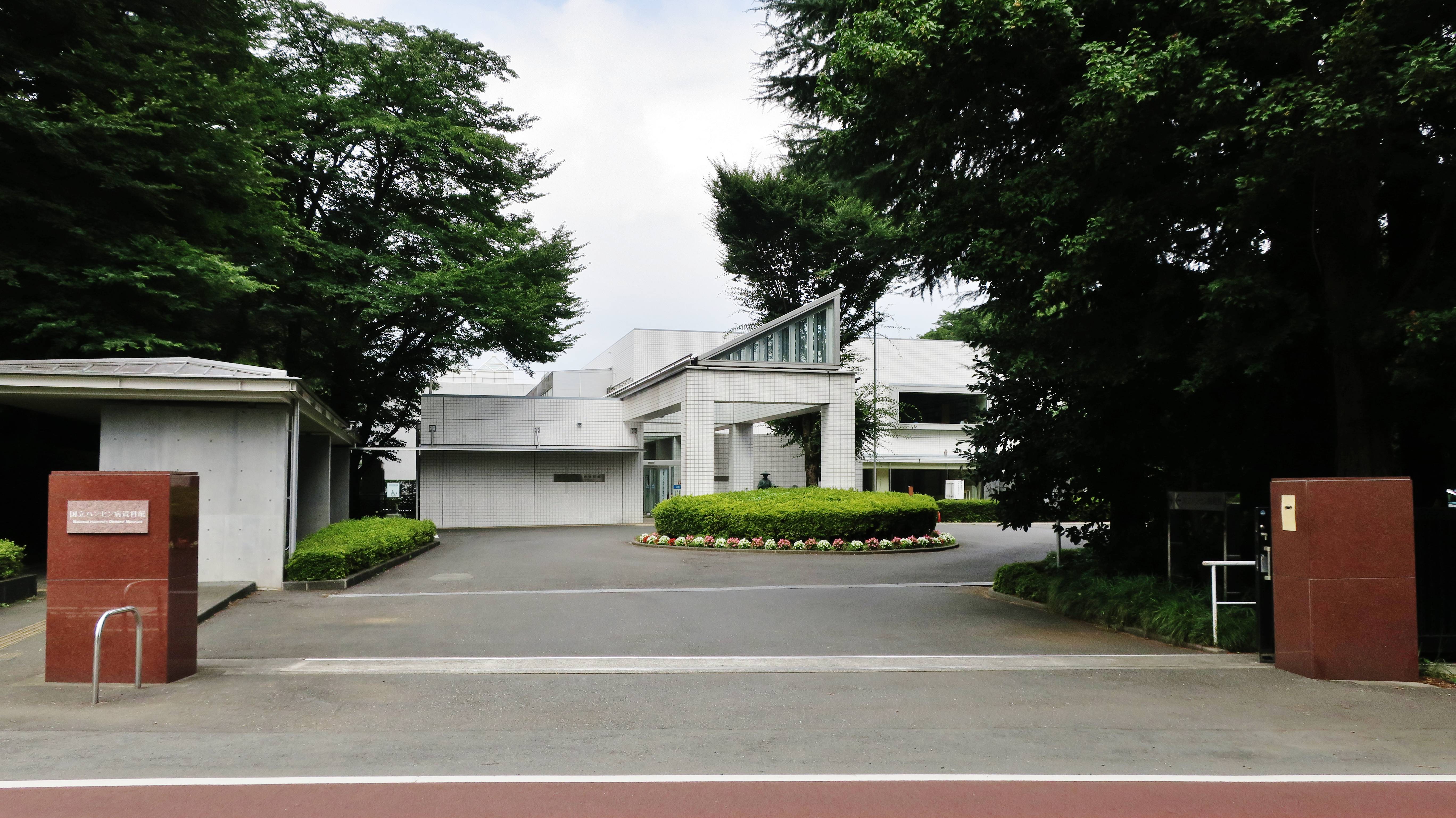
National Hansen's Disease Museum
Marriage was permitted on one condition: sterilization. Patients who entered Japan's leprosy sanatoriums were issued special currency that could not be spent anywhere else -- a small, devastating detail that captures the totality of their confinement. In the quiet Tokyo suburb of Higashimurayama, on the eastern edge of the Tama Zenshoen Sanatorium compound, the National Hansen's Disease Museum preserves these details and hundreds more. It is a free museum that exists because former patients insisted the world should know what was done to them.
The Walls That Kept People In
Japan's first leprosy isolation law arrived in 1907, initially targeting only homeless patients. The 1931 revision expanded the mandate to all patients regardless of circumstance, making forced isolation the national policy. In 1953, despite patients staging hunger strikes in protest, the government passed an even stricter Leprosy Prevention Law that maintained compulsory isolation and prohibited patients from leaving without permission. This was decades after effective treatments existed -- promin had been available since the 1940s, and multidrug therapy would eventually make the disease fully curable. Yet the law remained in force until 1996, nearly a century after the first isolation statute. For patients in the thirteen national and three religious sanatoriums, life was defined by what was taken away: freedom of movement, reproductive rights, contact with family, and often their names. Many adopted pseudonyms to protect relatives from stigma.
Life Behind the Gates
The museum's exhibits reconstruct sanatorium life with unflinching specificity. Photographs show the bandages and chaulmoogra oil injections that constituted early treatment -- painful and largely ineffective. Display cases hold the special scrip that replaced real money, ensuring patients remained economically trapped even within the compound walls. Every sanatorium maintained its own chapel or temple, a mortuary, a crematory, and a charnel house, because the bones of patients were routinely rejected by their families. Schools existed within the sanatoriums, but education was limited -- at first, patients with leprosy served as the teachers. Labor was assigned, not chosen. Prisons existed within the sanatoriums for those who broke rules. The Tama Zenshoen Sanatorium next door, established in 1909 as the Zensei Hospital, was one of the original regional sanatoriums, and its residents led the effort to build this museum -- raising funds, collecting documents, and designing the exhibition layout themselves.
The Fight for Recognition
The museum opened on June 25, 1993, as the H.I.H. Prince Takamatsu Memorial Museum of Hansen's Disease, conceived as a fortieth-anniversary project of the Tofu Kyokai Foundation. Its founders were explicit about their purpose: they wanted the museum to build public support for abolishing the Leprosy Prevention Law, which was still in effect. Three years later, in 1996, the law was finally repealed. But the damage was generational. In 1998, former patients sued the Japanese government for compensation, and in 2001 they won. A court ruled the law had been unconstitutional from 1960 onward -- meaning patients had been illegally confined for thirty-six years after the judiciary should have intervened. In 2019, Japan enacted additional legislation to compensate family members of former patients, acknowledging that stigma had extended far beyond the sanatorium walls. The museum closed temporarily in 2005 and reopened in April 2007 under its current name, with expanded exhibits that include video testimony from forty-two former patients and their doctors.
What Remains at Higashimurayama
Today the museum sits in a residential neighborhood accessible by a ten-minute bus ride from Kiyose Station on the Seibu Ikebukuro Line. Admission is free. It is open daily except Mondays, from 9:30 to 4:30. The neighboring Tama Zenshoen Sanatorium still houses elderly former patients who have nowhere else to go -- people who entered as children and have known no other home. The Hansen's Disease Research Institute operates nearby. Walking the grounds, the quiet suburban setting makes the history harder to believe, not easier. The exhibits on the Fujimoto Incident and the Tatsuda Children's Home Incident document moments when prejudice erupted into public crisis. But the deeper message is in the everyday artifacts: the scrip, the bandages, the charnel houses. This is a museum built by the people it memorializes, a place where dignity was stripped away and then, slowly, reclaimed.
From the Air
The museum sits at 35.77N, 139.50E in Higashimurayama, western Tokyo. The area is densely residential suburban terrain with no prominent visual landmarks from altitude. Chofu Airport (RJTF) is approximately 10 km to the south. Iruma Air Base (RJTJ) lies about 10 km to the northwest. Best viewed at 2,000-3,000 feet, where the Tama Zenshoen Sanatorium compound is distinguishable as a green campus amid residential blocks. Standard Tokyo airspace restrictions apply; Haneda (RJTT) is roughly 30 km to the southeast.