The National Maritime Museum: Where Britain Meets the Sea
Greenwich has always been about the sea. Romans landed here. Henry VIII was born here. The Royal Navy grew from these waterfront wharves. In 1675, Charles II founded the Royal Observatory on the hill above for 'finding the longitude of places,' and since 1884 every navigator in the world has measured time from the meridian that runs through its grounds. The National Maritime Museum, established in 1934 and opened by King George VI in 1937, sits at the heart of this maritime landscape, holding the most important collection in the world on the history of Britain at sea -- more than two million items spanning centuries of exploration, trade, warfare, and discovery.
A Princess on the Thames
When George VI formally opened the museum on 27 April 1937, he brought his eleven-year-old daughter Princess Elizabeth for the journey along the Thames from London. The museum occupied the buildings of the former Royal Hospital School in Greenwich Park before the school moved to Holbrook in Suffolk. The generous donations of Sir James Caird, a shipping magnate and philanthropist, provided the financial foundation. The museum's first director was Sir Geoffrey Callender, who established the institution's dual mission: to preserve Britain's maritime heritage and to help people understand its significance. The Caird Medal, instituted in 1984, is still awarded annually to individuals who have done important work communicating maritime history to the public.
Two Million Items
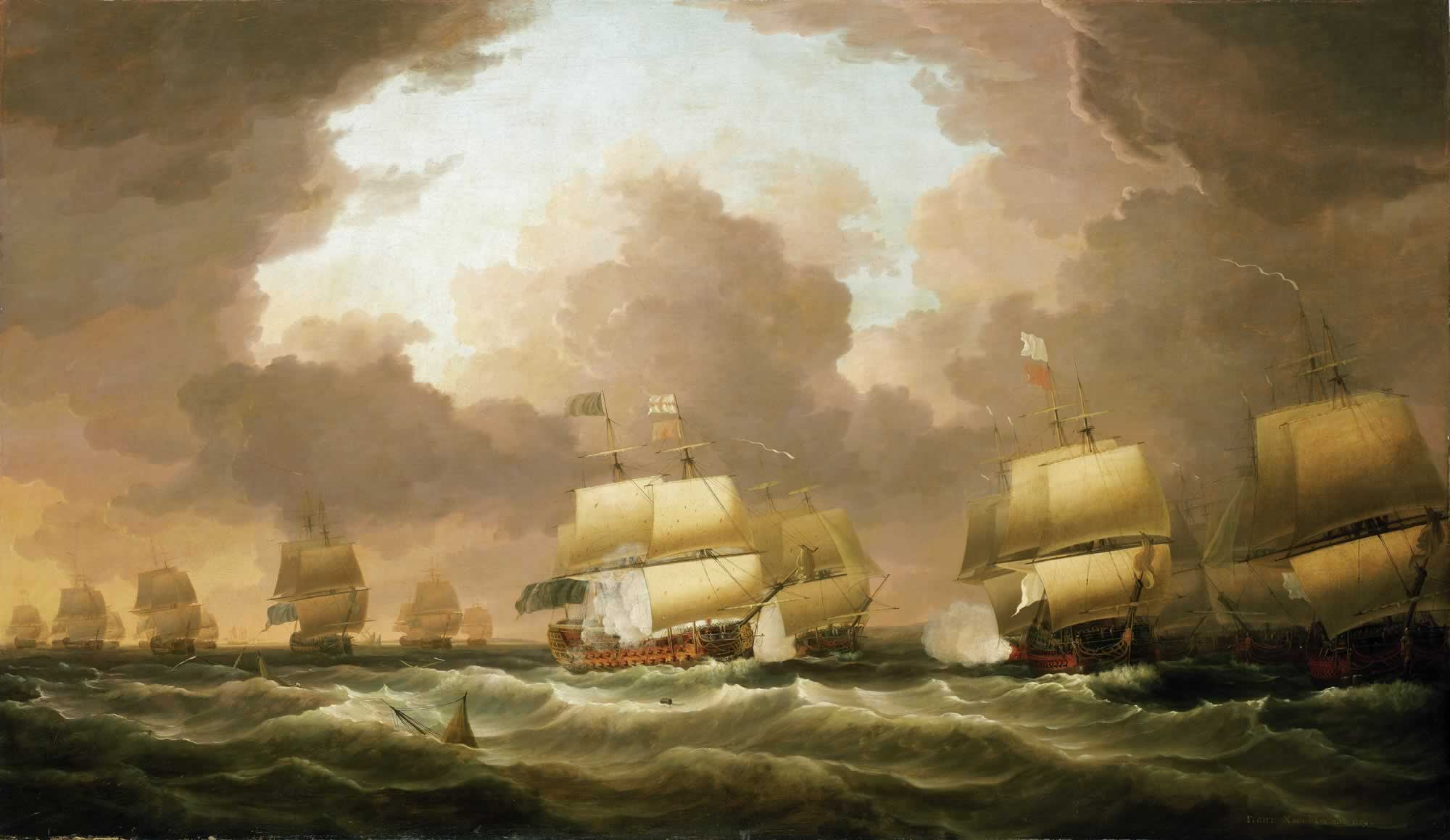
The museum's collections are staggering in scope. Maritime art ranges from seventeenth-century Dutch paintings to J.M.W. Turner's The Battle of Trafalgar. Portraits of Horatio Nelson and James Cook hang alongside charts, manuscripts, and the scientific instruments that made oceanic navigation possible. The museum holds ship models spanning centuries of naval architecture, from Tudor warships to twentieth-century liners. Its collection includes items from the German Naval Academy at Murwik, taken after World War II -- objects the museum considers 'war trophies' removed under the provisions of the Potsdam Conference, though some critics have described them as looted art. In 2018, the museum joined a consortium with Titanic Belfast to bid for 5,500 Titanic artifacts from a bankrupt exhibition company.
The World Heritage Setting
The National Maritime Museum is part of Royal Museums Greenwich, a network of museums within the Maritime Greenwich World Heritage Site. The setting matters. The museum sits below the Royal Observatory on the hill, connected by the paths of Greenwich Park, with the Thames flowing past the Old Royal Naval College to the north. The gardens immediately north of the museum were restored in the late 1870s after the construction of a railway tunnel between Greenwich and Maze Hill stations. The Neptune Court, redesigned by Rick Mather Architects and funded by the Heritage Lottery Fund, was completed in 1999. A major refurbishment of the main galleries, including replacement of the Neptune Court roof, was completed in 2025, and the gallery was formally renamed the Ocean Court.
Beyond Greenwich
The museum extends far beyond its Greenwich headquarters. HMS Belfast, a Town-class cruiser that fired some of the first shots of D-Day and saw action in the Korean War, has been moored near Tower Bridge since 1971. The Prince Philip Maritime Collections Centre in Kidbrooke, opened in 2018, houses approximately seventy thousand items in purpose-built storage accessible through pre-booked guided tours. In 2008, Israeli shipping magnate Sammy Ofer donated twenty million pounds for a new gallery wing. Admission to the main museum is free. Between 2016 and 2017, 2.41 million visitors walked through its doors. They came to see Turner's stormy seas and Nelson's blood-stained coat, but also to understand something larger: how an island nation's relationship with the ocean shaped the modern world.
From the Air
The National Maritime Museum (51.48N, 0.01W) is in Greenwich, southeast London, within Greenwich Park. The museum buildings, the Old Royal Naval College, and the Royal Observatory on the hill above form a distinctive ensemble visible from altitude. The Thames curves past Greenwich Peninsula and the O2 dome to the north. Nearby airports: London City (EGLC) 4nm north, Biggin Hill (EGKB) 10nm south. Best viewed from 2,000-3,000ft with the Greenwich meridian line as reference.