National Mining Hall of Fame
The rent is fifty cents a year. That was the deal Richard Moolick negotiated with the city of Leadville in the late 1980s -- a 110-year lease at half a dollar annually -- to house the National Mining Hall of Fame and Museum in a building that had served as both the town's high school and junior high. The mines that once sustained Leadville had closed, contributions were drying up, and the museum originally planned for Colorado School of Mines land in Golden needed a new home. What Leadville offered was not just cheap real estate but authenticity: a mining town with 67 historic mines on its doorstep, placing the nation's only congressionally chartered mining museum in the very landscape it commemorates.
From Schoolhouse to Shrine
The museum was incorporated in 1987, but the road to opening was anything but smooth. The original plan called for construction on land owned by the Colorado School of Mines in Golden. Then Leadville's mines began closing in the 1980s, and potential donors withdrew their pledges. Doug Watrous, the project chairman, sent board director Richard Moolick to negotiate with Leadville, and the city came back with an offer no one could refuse: fifty cents a year for 110 years. Still short on funds, former state senator Joe Shoemaker proposed finding 100 contributors willing to donate one thousand dollars each. It took a full year, but every dollar was raised. In 1988, the museum moved into the former Leadville school building. President Ronald Reagan signed the Congressional charter on November 14 of that year, making it the only national mining museum with such federal recognition.
Underground Without Going Under
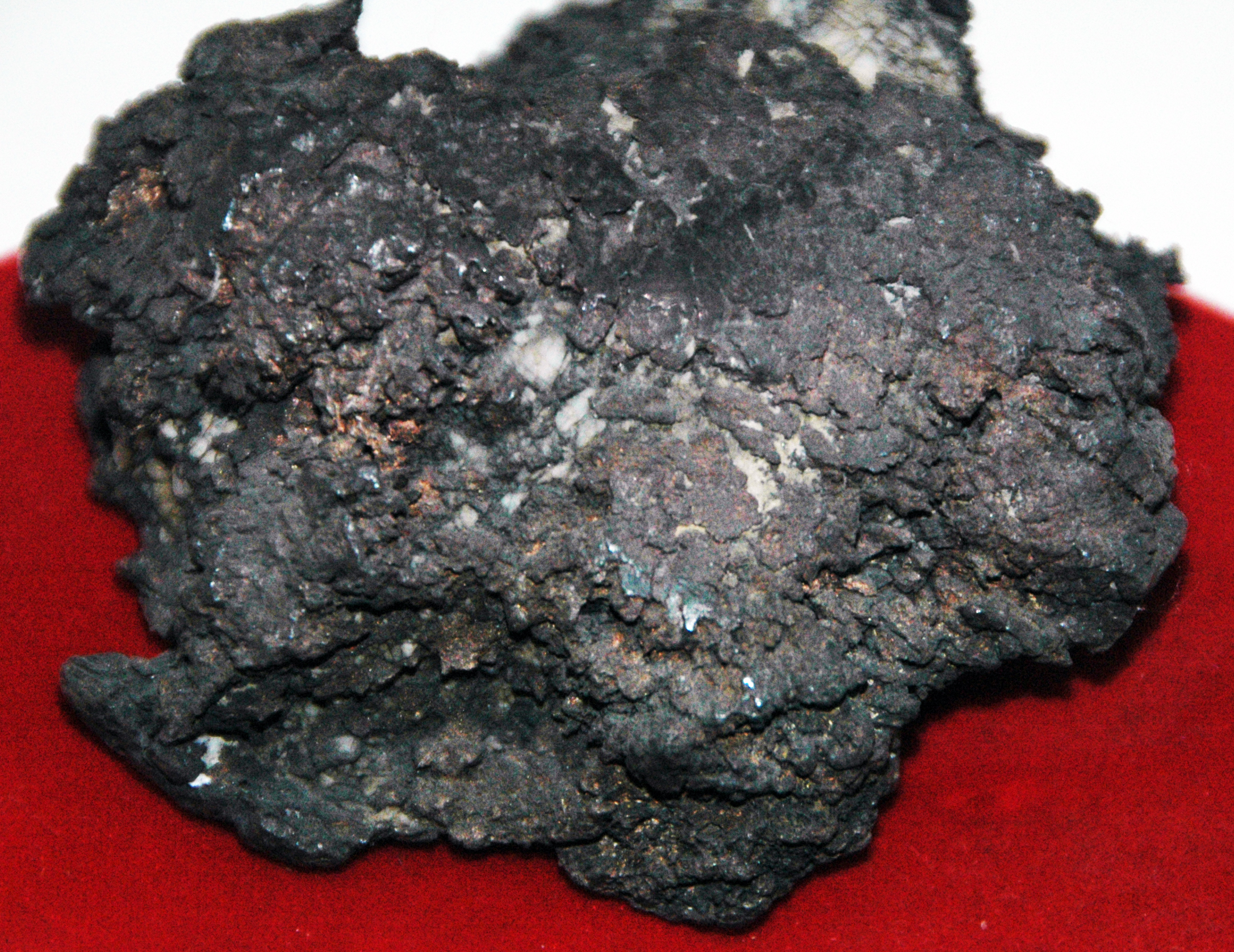
Step inside and the museum pulls you beneath the surface -- literally. A walk-through replica of an underground hardrock mine gives visitors the feel of the tunnels where fortunes were dug from Colorado rock. Elsewhere, an elaborate model railroad re-creates the transportation networks that hauled ore from mountainside to smelter. The Gold Rush room displays specimens of native gold, while a large mineral collection showcases the geological wealth extracted from American soil. A mining art gallery rounds out the experience, translating the industry's grit and grandeur into visual form. The museum occupies a building that once educated Leadville's children, and there is a fitting symmetry in its current mission: educating the public about the industry that built the town.
Presidents, Prospectors, and Rascals
The Hall of Fame's inductee criteria cast a deliberately wide net. Candidates must have made significant contributions to the American mining scene, and consideration extends to prospectors, miners, mining leaders, engineers, teachers, financiers, inventors, journalists, rascals, geologists, and others. The roster reads like an unlikely dinner party: Georgius Agricola, the sixteenth-century father of mineralogy; Herbert Hoover, who worked as a mining engineer before becoming the 31st President; Meyer Guggenheim, whose mining empire funded one of America's great philanthropic dynasties; Ed Schieffelin, who founded Tombstone, Arizona, after a silver strike; and Harrison Schmitt, the geologist-astronaut who walked on the Moon. Horace Tabor, Leadville's own silver king, naturally holds a place of honor.
The Missing Miners
Not everyone celebrates what the Hall of Fame chooses to remember -- or forget. Historian James Loewen, in his book Lies Across America, criticized the museum for overemphasizing scientists, executives, and owners of vast mining properties. He noted that only fourteen inductees -- roughly 12 percent of the total -- represented individual miners, prospectors, labor leaders, politicians, philanthropists, and all other categories combined. The people commemorated were predominantly white Anglo-Saxon Protestant men, Loewen observed, while historically mining has been one of America's most multicultural occupations. He also pointed to the absence of any memorial to the thousands who lost their lives in coal mines. The museum has since responded: in 2017, it opened "Buried Sunlight: Coal Mining in America," an exhibit exploring the social, labor, safety, and environmental dimensions of coal mining.
From the Air
The National Mining Hall of Fame sits at 39.251N, 106.294W in Leadville, Colorado, at approximately 10,152 feet elevation. The museum building is on the west side of town. From the air, look for Leadville's compact grid against the mountain backdrop. Nearest airport is Lake County Airport (KLXV) just south of Leadville. The Arkansas River valley provides the best approach corridor. High-altitude density altitude effects are significant at this elevation.