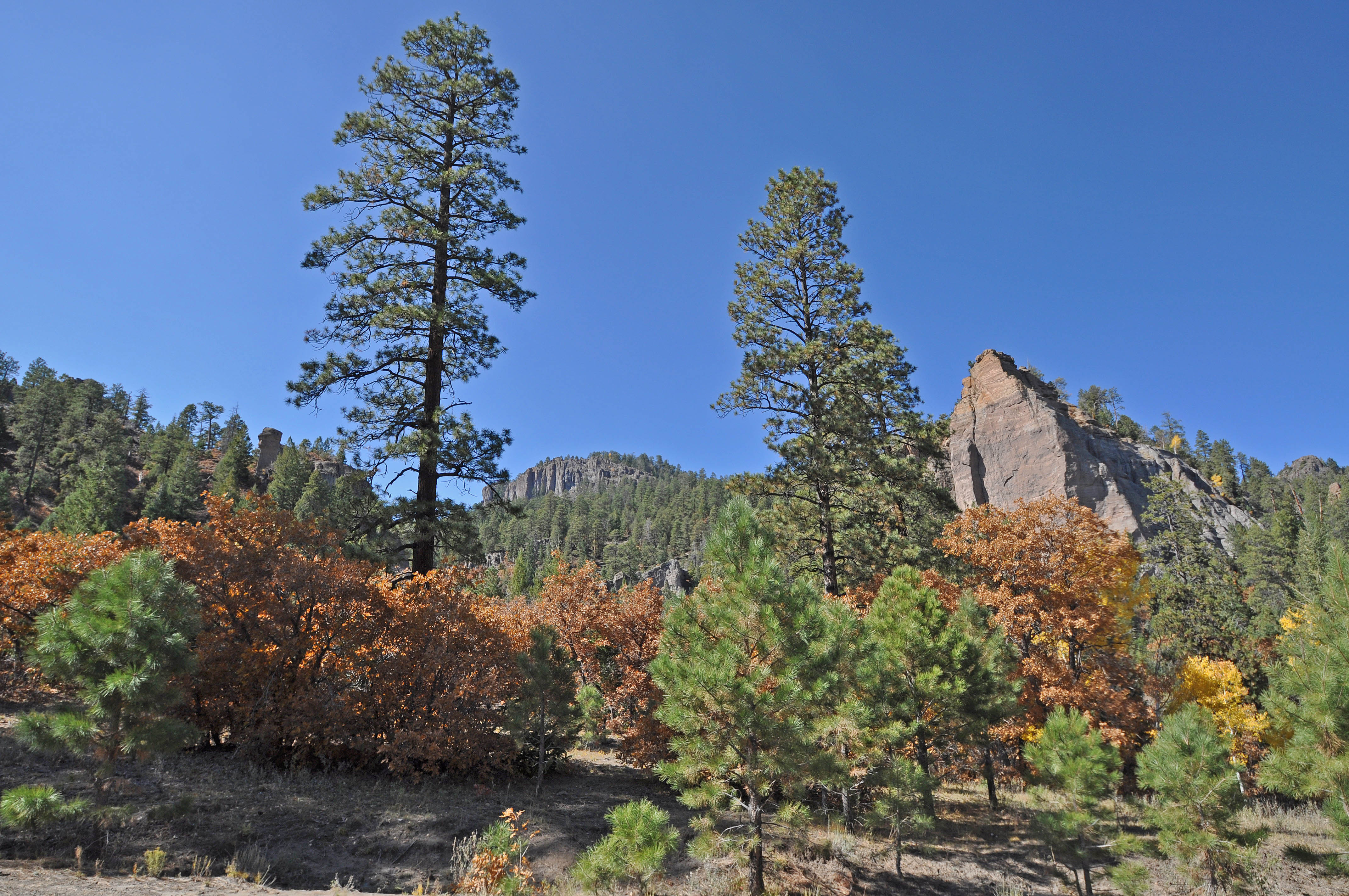
Navajo Nation
The Navajo Nation is not merely a reservation; it is the closest thing to a sovereign nation within the United States, with its own president, courts, police, and laws. Spanning 27,000 square miles across Arizona, New Mexico, and Utah - larger than ten U.S. states - this is home to roughly 175,000 Diné, as the Navajo call themselves, who have maintained their language, culture, and connection to this land despite centuries of colonization. The landscape they inhabit has become symbolic of the American West itself: Monument Valley's buttes and spires, the red rock desert that appears in countless films, the stark beauty that inspired Navajo art and spiritual practice. Yet this is not merely scenery; it is homeland, sacred geography, and the territorial expression of a people who survived the Long Walk, the boarding school era, and continuing economic challenges to remain distinctly themselves. Visitors enter not as tourists in an exotic land but as guests in someone else's country.
Land and Sovereignty
The Navajo Nation operates its own government headquartered at Window Rock, Arizona, where the natural arch that gives the capital its name holds deep spiritual significance. The tribal council passes laws, the courts interpret them, and the police enforce them - though major crimes fall under federal jurisdiction. The nation observes daylight saving time even though surrounding Arizona does not, creating the peculiar situation where crossing reservation boundaries changes your clock. This is intentional, a small assertion of sovereignty. The land itself consists largely of high desert plateau between 4,500 and 7,000 feet, punctuated by mesas, canyons, and volcanic formations like Shiprock's dramatic peak. Water is scarce; many homes still lack running water. Economic development struggles against remoteness and infrastructure limitations. Yet the land remains central to Navajo identity - not real estate but relative, not resource but sacred trust.
Monument Valley
The Navajo call it Tsé Bii' Ndzisgaii, 'valley of the rocks,' but the world knows it as Monument Valley - the iconic landscape of sandstone buttes, mesas, and spires that has defined the American West in film since John Ford shot 'Stagecoach' here in 1939. The Mittens, Merrick Butte, the Totem Pole - these formations rise from a red sand valley that seems designed for cinematic drama. This is Navajo Tribal Park, not National Park Service territory, operated by and for the Navajo people. Guided tours penetrate areas closed to individual visitors; drives along the valley floor require Navajo guides for anything beyond the basic 17-mile loop road. The valley supports a significant tourism economy, with Navajo guides offering everything from jeep tours to horseback rides to photography workshops timed for optimal light. Goulding's Trading Post, established in the 1920s, brought Hollywood here and remains a base for exploration.
Art and Culture
Navajo weaving ranks among the world's great textile traditions, with regional styles - Two Grey Hills, Ganado Red, Crystal, Wide Ruins - that collectors distinguish and pay substantial sums to acquire. The rugs evolved from utilitarian blankets into high art, with the finest examples commanding prices in the tens of thousands of dollars. Navajo silverwork, particularly the distinctive squash blossom necklaces and concho belts, emerged in the 19th century and remains vital. Pottery, sand painting, and basketry round out a craft tradition that provides both cultural continuity and economic livelihood. Buying directly on the reservation supports artists most effectively, though galleries in Santa Fe and elsewhere carry authentic work at higher prices. Beware imitations; cheap imports from overseas flood tourist traps near but not on reservation land.
Daily Life
Modern Navajo life balances tradition with contemporary American realities. Many families maintain traditional hogans - eight-sided log structures with doors facing east to greet the sun - even as they live primarily in conventional housing. Sheep herding continues, especially among elders, though wage employment has become dominant. The Navajo language, one of the most complex in North America, remains widely spoken and taught in schools, helped by its role in World War II when Navajo Code Talkers used its impenetrable grammar to create an unbreakable military code. Ceremonies like the Blessing Way and Enemy Way address healing and protection; medicine men maintain traditions that have weathered centuries of suppression. Frybread - a food born of government commodity rations during the Long Walk era - has become emblematic, served at Navajo tacos across the reservation.
Visiting the Nation
Visitors enter the Navajo Nation as guests in a different country, literally: tribal law applies, and tribal customs deserve respect. Alcohol is strictly prohibited throughout the reservation - don't bring it, don't ask about it. Photography of individuals requires permission; photographing ceremonies is forbidden. Dress conservatively. The nation contains multiple destinations: Monument Valley for iconic scenery, Canyon de Chelly for cliff dwellings and living Navajo culture, Window Rock for the capital and Navajo Nation Museum, Four Corners for the novelty of standing in four states. The reservation lacks the tourist infrastructure of comparable National Park Service lands; gas stations can be few, services limited, cell coverage spotty. Plan ahead. Respect the land - don't collect anything, don't disturb sites. And buy from local artists; the money matters to communities where unemployment runs high and opportunities remain limited.
From the Air
Located at 36.19°N, 109.57°W spanning 27,000 square miles across northeastern Arizona, northwestern New Mexico, and southeastern Utah. The reservation appears from altitude as vast high desert punctuated by distinctive formations: Monument Valley's buttes, Shiprock's volcanic peak, Canyon de Chelly's gorge. Window Rock, the capital, lies near the Arizona-New Mexico border. Major access points include Gallup, NM (GUP), Farmington, NM (FMN), and Flagstaff, AZ (FLG). Albuquerque (ABQ) and Phoenix (PHX) are the nearest major airports.