New Harmony and America's Utopias
On the Wabash River in southwestern Indiana, a small town holds the ruins and relics of two attempts to perfect human society. New Harmony was founded in 1814 by the Harmony Society, German Lutheran separatists who built a disciplined religious community of celibate believers awaiting the millennium. In 1825, they sold the entire town to Robert Owen, a wealthy Welsh industrialist who attempted to create a secular utopia based on reason, education, and communal property. Owen's experiment collapsed within two years, but the scientists, educators, and reformers he attracted stayed to influence American culture. New Harmony became a center for geology, education reform, and women's rights. Two utopias failed here; their descendants changed America.
The Harmonists
George Rapp led his followers from Germany to Pennsylvania in 1804, then to Indiana in 1814, seeking isolation to practice their millennial faith. The Harmony Society believed Christ's return was imminent; members prepared through celibacy, communal property, and disciplined labor. They built New Harmony with remarkable speed - brick buildings, granaries, a church, vineyards, and industries including textiles and distilling. The town prospered; by 1824, it was worth over $1 million. But Rapp decided to move back to Pennsylvania, closer to the Second Coming he expected. The Harmonists sold their entire town - 180 buildings and 20,000 acres - to Robert Owen and started over in Economy, Pennsylvania.
The Owenites
Robert Owen made his fortune reforming factory conditions in Scotland; he believed that character was formed by environment and that proper education and community could perfect humanity. He purchased New Harmony in 1825 to demonstrate his theories, inviting 'the industrious and well-disposed of all nations' to join. Approximately 900 people arrived - idealists, opportunists, educators, and scientists. The problems began immediately: no one wanted to do unpleasant work; disputes arose over governance; incompatible visions clashed. Owen's son Robert Dale Owen admitted the community attracted 'a heterogeneous collection of radicals, enthusiastic devotees to principle, honest latitudinarians, and lazy theorists.' By 1827, the experiment had collapsed.
The Legacy
Owen's utopia failed, but the people it attracted stayed and shaped American reform. William Maclure, Owen's partner, established schools emphasizing practical education over classical rote learning. The 'Boatload of Knowledge' brought scientists including Thomas Say (father of American entomology) and Charles-Alexandre Lesueur (natural history illustrator). Frances Wright, associated with New Harmony, became America's first female public lecturer, advocating abolition and women's rights. Robert Dale Owen served in Congress and helped establish the Smithsonian Institution. The town became a center of geological research and progressive education. Failure scattered seeds.
The Town Today
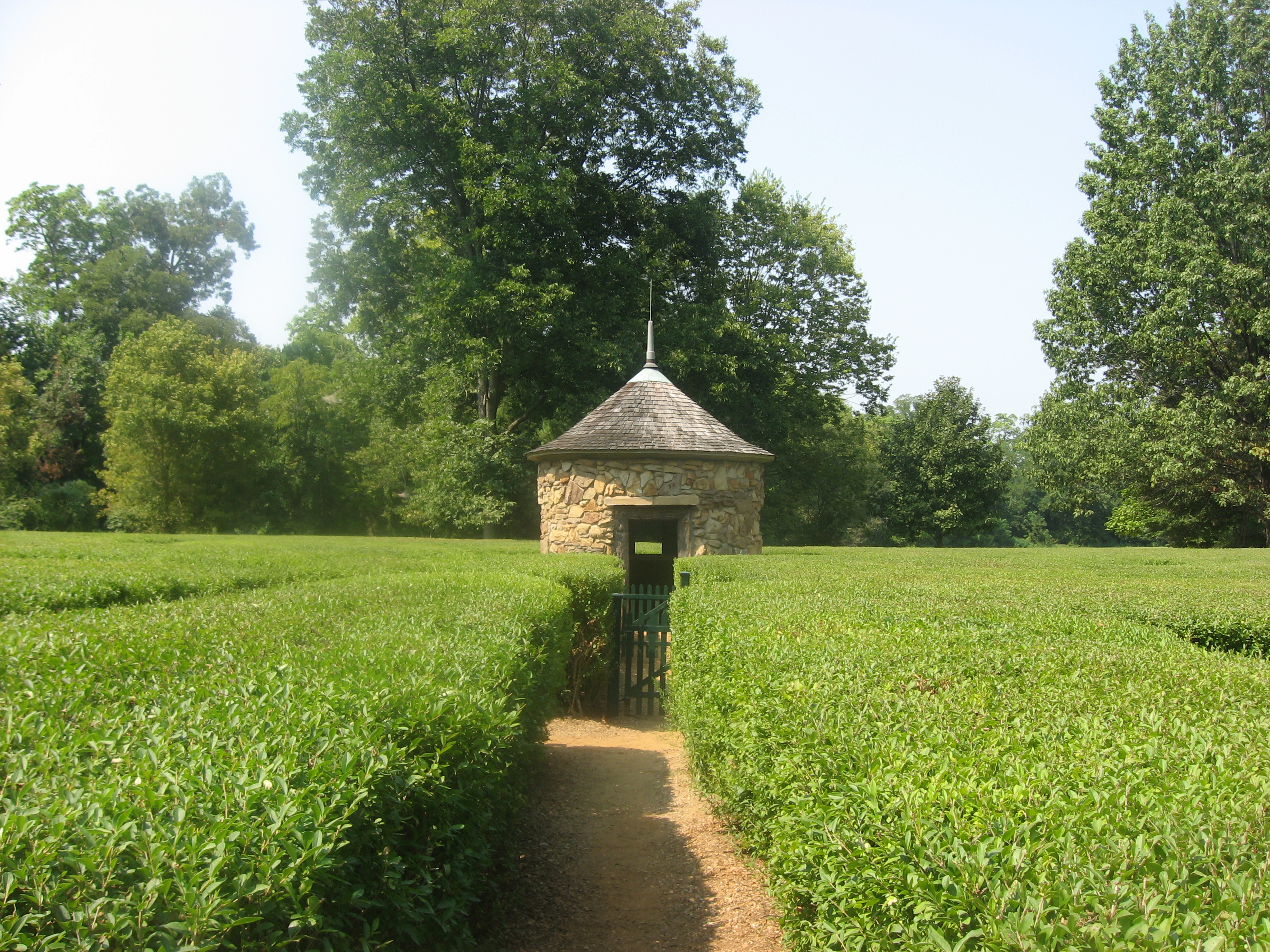
New Harmony preserves buildings from both utopian periods. Harmonist structures include the Roofless Church (actually a 1960s Philip Johnson design), dormitories, and the remarkable Labyrinth - a hedge maze symbolizing the difficult path to spiritual harmony. Owen-era buildings include Maclure's library and the Working Men's Institute. Modern attractions include the Atheneum visitor center (Richard Meier design) and sculpture gardens. The town (population ~800) balances historic preservation with contemporary art and architecture. New Harmony hosts conferences on sustainability, community, and utopian thought - continuing to ask the questions its founders asked.
Visiting New Harmony
New Harmony is located in Posey County, Indiana, on the Wabash River near the Illinois border. Historic New Harmony operates tours and maintains historic buildings; start at the Atheneum visitor center. Walking tours cover both Harmonist and Owenite periods. The Labyrinth, Roofless Church, and sculpture gardens are free to visit. The Working Men's Institute library is one of the oldest continuously operating public libraries in America. Accommodations include a historic inn. New Harmony is 30 miles north of Evansville (nearest airport) and 170 miles southwest of Indianapolis. Spring and fall offer pleasant weather; summer can be humid. Allow a full day to explore both periods of history.
From the Air
Located at 38.13°N, 87.93°W on the Wabash River in southwestern Indiana. From altitude, New Harmony appears as a small town on the river's east bank - the Wabash forms the Indiana-Illinois border here. The town's historic district is compact, near the river. The surrounding terrain is flat agricultural land - corn and soybean fields. Evansville is visible to the south. The Ohio River is visible beyond. The Wabash curves around the town, defining its location as it did when the Harmonists chose this site. The isolation that utopians sought is less apparent now - highways connect to the wider world - but the small scale remains.