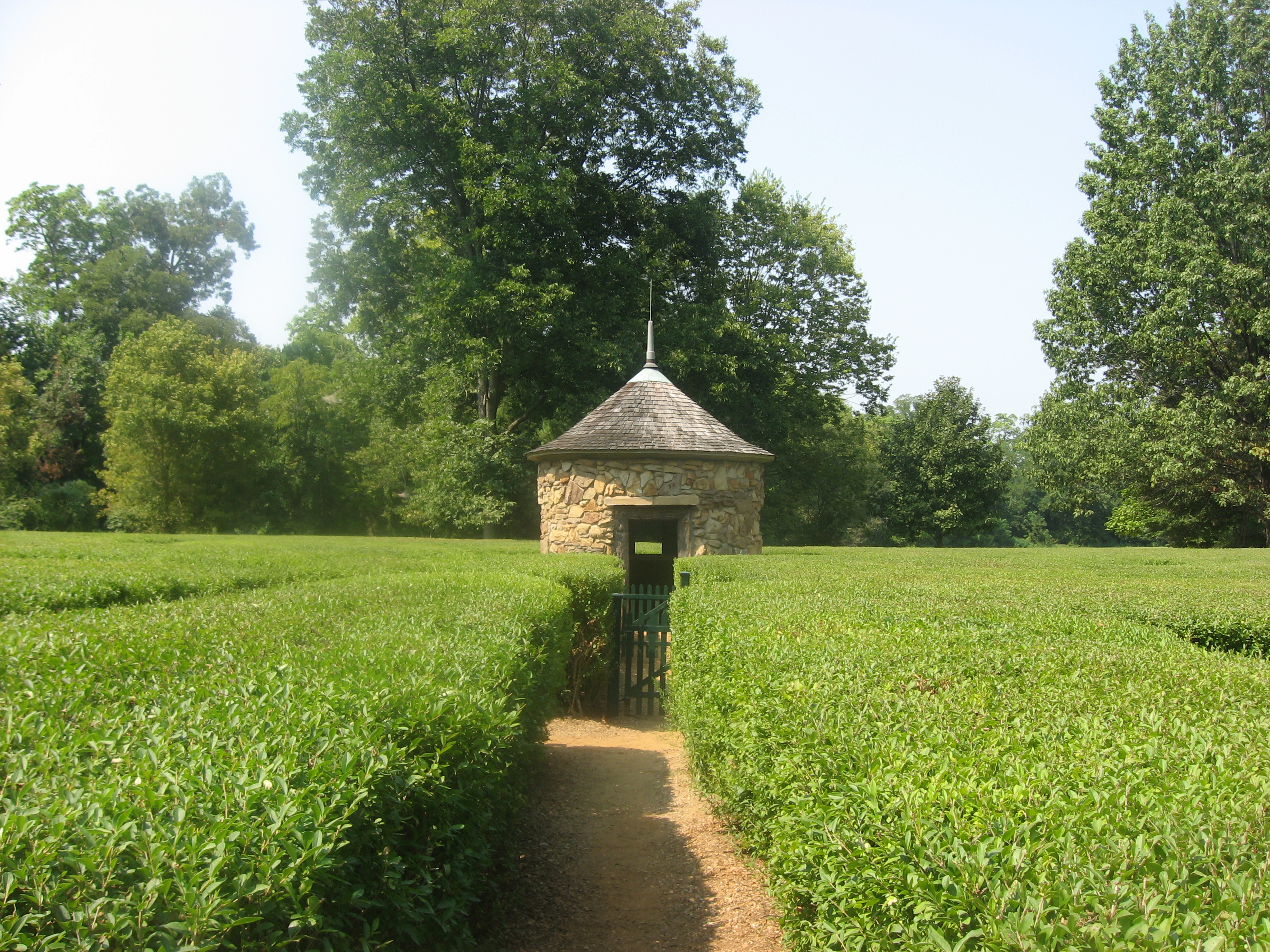
New Harmony: Where Utopia Went to Die (Twice)
New Harmony, Indiana, is the only town in America where utopia failed twice. The German Rappites built it in 1814 - a celibate religious community that believed the Second Coming was imminent. They constructed a perfect town, waited for Jesus, and when he didn't show, sold everything and left. Robert Owen, the Welsh industrialist-philosopher, bought the whole town in 1825 and attempted history's first secular utopian experiment: no religion, no private property, free education, equal work. It collapsed in two years. Owen lost his fortune; his followers scattered; the buildings remained. New Harmony became an ordinary town with extraordinary ruins - the physical evidence of humanity's stubborn belief that if we just organize society correctly, everything will be perfect.
The Rappites
George Rapp led his followers from Germany to Pennsylvania in 1804, then to Indiana in 1814. They were Harmonists, a millennial sect that practiced celibacy because the Second Coming was surely imminent - why have children when the world was ending? They built New Harmony in ten years: 180 buildings, orchards, vineyards, factories producing textiles and whiskey. The craftsmanship was exceptional; some buildings still stand. But the millennium didn't come. By 1824, Rapp decided Indiana was too remote, the climate too harsh, and - crucially - the economy of celibate communism wasn't sustainable. He sold New Harmony for $150,000 and moved his followers back to Pennsylvania.
The Owenites
Robert Owen was one of the richest men in Britain, made wealthy by textile mills where he'd pioneered humane working conditions. He believed poverty was caused by ignorance and competition; eliminate both, and humanity would flourish. He bought New Harmony sight unseen and announced his 'New Moral World' - a community of equality, education, and shared labor. Enthusiasts flooded in: scientists, teachers, reformers, and a substantial number of people who wanted equality without working. Owen gave stirring speeches; his followers argued about everything else. Within months, factions formed. Owen revised the constitution repeatedly. Nothing helped.
The Collapse
Owen's utopia lasted two years. The problems were predictable: too many thinkers, not enough farmers. The community couldn't feed itself. Members argued over governance, property, religion, and who should clean the kitchens. Owen kept revising the rules; some followers started splinter communities nearby. By 1827, Owen admitted defeat and returned to Britain, leaving the settlers to sort out the wreckage. He'd lost four-fifths of his fortune. But something survived: his scientists stayed. The educators stayed. New Harmony became a center of American intellectual life, home to the first free public school, the first free library, and the first kindergarten in America.
The Legacy
The town that utopia built became surprisingly influential. Owen's sons became congressmen; one helped found the Smithsonian. Scientists who came for the experiment stayed for the community: David Dale Owen established the U.S. Geological Survey offices here. The town's schools educated future reformers who spread across the nation. New Harmony proved that utopian communities fail but utopian ideas persist. Today the town preserves both the Rappite buildings (solid, practical, built to last) and the Owenite structures (experimental, artistic, built to inspire). It's a museum of American optimism and its consequences.
Visiting New Harmony
New Harmony is located in southwestern Indiana on the Wabash River, about 25 miles from Evansville. Historic New Harmony operates as an open-air museum with tours of Rappite and Owenite buildings. The Atheneum visitor center, designed by Richard Meier, is worth seeing in its own right. The Roofless Church, designed by Philip Johnson, is a modern pilgrimage site. Walking tours cover buildings from both utopian eras. Accommodations include the New Harmony Inn and several B&Bs in historic structures. The Wabash River offers kayaking. The town is small; a day visit covers the highlights, but overnight stays allow exploration. Visit in spring or fall; summer humidity is intense.
From the Air
Located at 38.13°N, 87.93°W in Posey County, Indiana, on the Wabash River. From altitude, New Harmony appears as a small, orderly town grid on the river's north bank - the Rappite layout still visible after 200 years. The town is surrounded by flat agricultural land. The Wabash River forms the Indiana-Illinois border; Illinois farmland stretches to the west. The Atheneum, a white modern structure, is visible among the historic buildings. The town is notably smaller than its historical significance would suggest - utopia didn't need much space to fail.