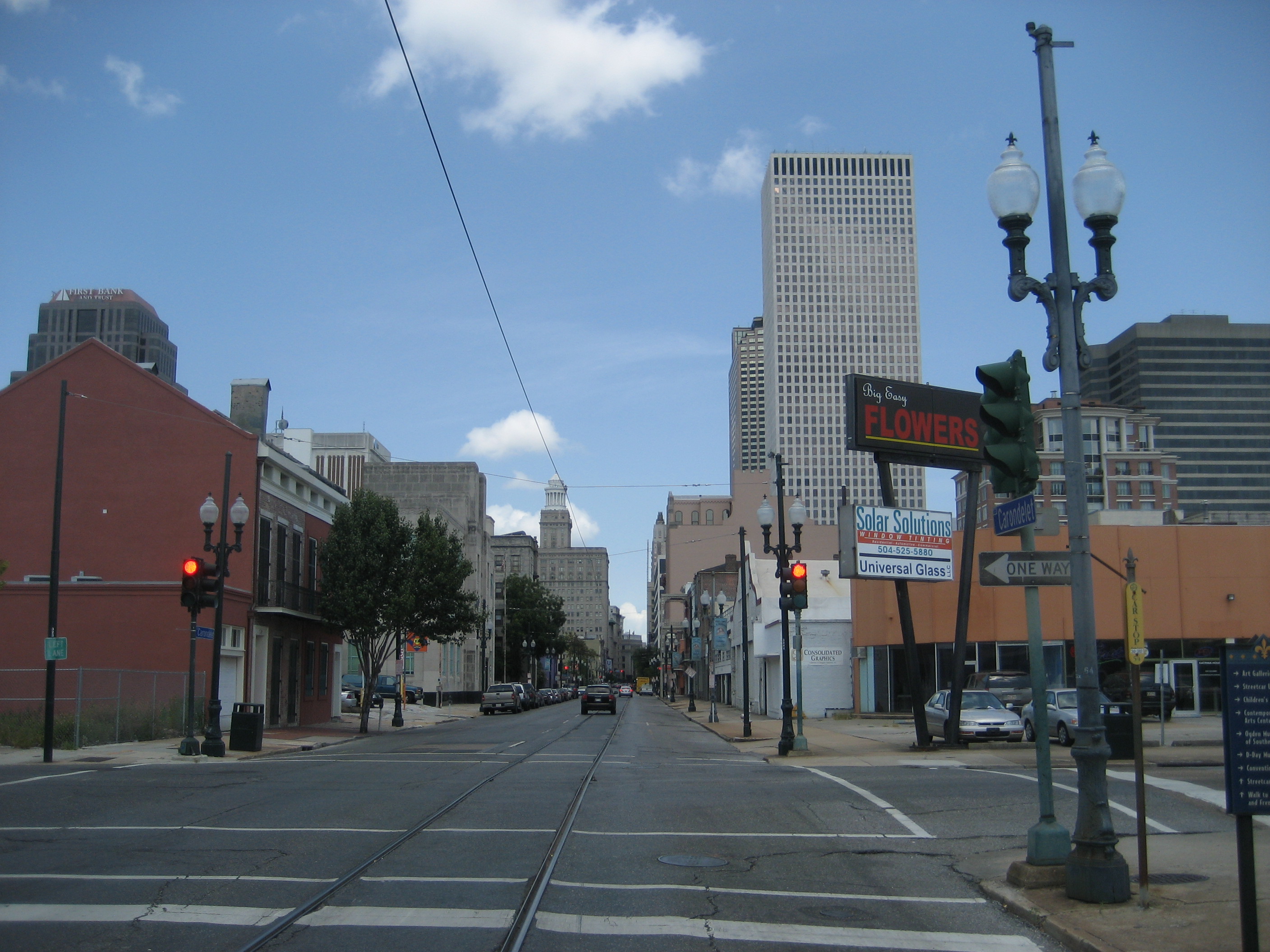
New Orleans: The Crescent City Where Death Is a Party and the Party Never Ends
New Orleans exists in defiance of sense - a city built below sea level, in a hurricane zone, on a swamp, where the bodies float up from the cemeteries when it floods. The city has drowned and burned and suffered yellow fever epidemics and economic collapse, and each time it throws a party when it's over. The culture that emerged from this precarious existence is America's most distinctive: jazz born in brothels, food fused from French and African and Creole traditions, funerals where the mourners dance, and Mardi Gras where the masks permit everything. New Orleans is what happens when a city decides that life is too uncertain not to celebrate. Laissez les bons temps rouler - let the good times roll - is not just a slogan; it's a survival strategy.
The Jazz
Jazz emerged from New Orleans in the early 1900s, born in the Storyville red-light district, blending African rhythms with European instruments, improvised by musicians who invented the art form as they played. Louis Armstrong grew up here, learned to play at the Colored Waif's Home, and became jazz's first superstar. The music spread to Chicago and New York, but the roots remained in New Orleans - Preservation Hall still presents traditional jazz nightly, second line parades still turn funerals into celebrations, and the live music on Frenchmen Street still captures what jazz is supposed to feel like. New Orleans didn't just create jazz; it remains jazz's capital.
Katrina
On August 29, 2005, Hurricane Katrina struck. The storm wasn't the disaster; the levees failing was. The flood walls that protected New Orleans from Lake Pontchartrain collapsed; 80% of the city flooded; 1,800 people died. The images - bodies floating in the streets, the Superdome packed with refugees, Coast Guard rescuing from rooftops - became America's shame. The neighborhoods that flooded were largely poor and Black; the recovery was slower where wealth was absent. The population dropped from 485,000 to 230,000; it's recovered to 390,000. The levees have been rebuilt stronger. Whether they'll hold next time is the question New Orleans lives with.
The Food
New Orleans cuisine is the country's most distinctive - gumbo, jambalaya, po'boys, beignets, crawfish boils, red beans and rice on Mondays. The food emerged from French, African, Spanish, Caribbean, and Southern influences blending over centuries, creating dishes that exist nowhere else. The restaurants range from corner joints to temples of fine dining; Commander's Palace trained Emeril Lagasse and Paul Prudhomme. The food culture is serious in a way that other cities can't match - New Orleanians debate roux color and crawfish seasons the way other cities debate sports teams. The eating is part of the celebration; diet culture has no purchase here.
Mardi Gras
Mardi Gras - Fat Tuesday - is the day before Lent begins, the last chance for excess before fasting. In New Orleans, it's become a weeks-long festival of parades, masked balls, and public intoxication. The krewes - social organizations with names like Rex, Zulu, Bacchus, and Endymion - build floats and throw beads and doubloons to the crowds. The celebration is older than America; French colonists brought it in 1699. The modern version is tourism-driven, sometimes tacky, often excessive - Bourbon Street earns its reputation for debauchery. But the neighborhood parades, the Mardi Gras Indians, the traditions maintained outside the tourist zone reveal the celebration's deeper meaning.
Visiting New Orleans
New Orleans is served by Louis Armstrong New Orleans International Airport (MSY). The French Quarter is the historic heart, Bourbon Street the infamous strip. The Garden District offers antebellum mansions and above-ground cemeteries. Frenchmen Street provides live music better than Bourbon Street. Magazine Street runs through multiple neighborhoods of shops and restaurants. Café du Monde serves beignets 24 hours. For food, avoid tourist traps - ask locals. The streetcar runs on St. Charles Avenue and Canal Street. The heat and humidity are brutal May through September; spring and fall are best. Bring walking shoes - the city is best explored on foot.
From the Air
Located at 29.95°N, 90.07°W on the Mississippi River near the Gulf of Mexico. From altitude, New Orleans appears as urban development in a bowl surrounded by water - Lake Pontchartrain to the north, the Mississippi curving through (giving the city its 'Crescent City' nickname), swamps and bayous in every direction. The below-sea-level geography is apparent. What appears from altitude as a city surrounded by water is the birthplace of jazz - where Katrina proved the levees inadequate, where the food is unmatched, and where the party never quite ends.