Nome: The Beach Where Gold Still Washes Up
Gold is lying on the beach at Nome. Not metaphorically - actual gold, placer deposits carried from the mountains by rivers that reached the Bering Sea millions of years ago, concentrated in the sand by wave action, waiting for anyone with a pan and patience. The 1899 Nome gold rush brought 30,000 people to this treeless coast; most went home broke. But the beach gold never ran out entirely. Today, recreational miners still work the sand, some with sluices and dredges, some with gold pans and dreams. The beach is public; no claim is needed. You can fly to Nome tonight and be mining gold tomorrow. Whether you'll find enough to cover your airfare is another question.
The Rush
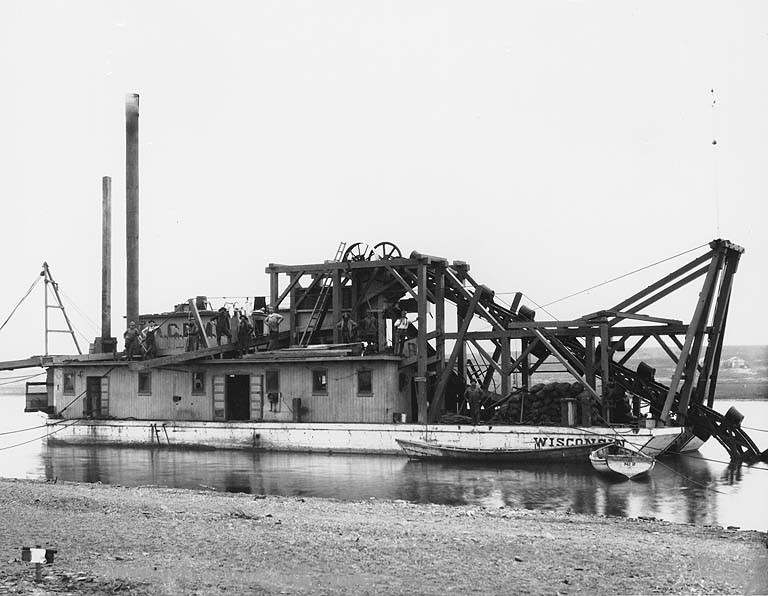
Gold was discovered near Nome in 1898, sparking a stampede that rivaled the Klondike. By 1899, 30,000 prospectors crowded the Nome beaches - a tent city on permafrost, lawless and chaotic. The gold was democratic: no expensive claims needed, no hydraulic equipment, just a pan and a stretch of sand. A miner could work the beach at dawn and drink his take by noon. The rush burned out quickly; by 1910, most miners had left. But Nome persisted, becoming a hub for western Alaska, accessible only by air or sea, and by the Iditarod dog sled trail in emergencies.
The Geology
Nome's beach gold came from gold-bearing rock in the nearby mountains, eroded and transported by rivers over millions of years. The gold settled in ancient river channels, some now elevated as beach terraces, others submerged offshore. Wave action concentrates the heavy gold in black sand streaks - visible to the trained eye, invisible to everyone else. The deposits aren't rich enough for commercial mining, but they're rich enough for recreation. Each storm rearranges the sand, exposing fresh concentrations. The supply seems inexhaustible, if barely profitable.
The Mining
Nome's beaches remain open to recreational mining under Alaska law. No permit is needed for hand tools below the high-tide line; equipment restrictions apply to more intensive methods. Sluice boxes and small suction dredges are common; some miners work from inflatable rafts in the near-shore waters. Production varies wildly - some days yield flakes, other days yield nothing. The average recreational miner finds a few grams per season, enough to cover costs if you don't count the flight. For many, the gold is almost beside the point; the experience of mining on a Bering Sea beach is the real treasure.
The Town
Nome today is a town of 3,500, serving as the regional center for western Alaska. There are no roads connecting Nome to the rest of Alaska - everything arrives by air or barge. The town has retained frontier character: bars outnumber churches, dog teams are still practical transportation, and the annual Iditarod finishes on Front Street. The gold rush architecture is mostly gone, replaced by utilitarian buildings suited to permafrost and wind. But the spirit persists: Nome is still a place where people come looking for something, even if they're not sure what.
Visiting Nome
Nome is accessible only by air - Alaska Airlines serves the community from Anchorage. There are no roads in or out; driving the 'road to Nome' is impossible (the road exists only within the Nome area). Hotels and B&Bs offer lodging; restaurants serve local seafood. Gold mining equipment is available for rent or purchase. The beaches east of Nome (particularly near Fort Davis) are popular mining spots. The Carrie M. McLain Memorial Museum interprets gold rush history. Visit in summer when days are long and weather is tolerable; winter brings extreme cold and darkness. Bring warm, waterproof clothing regardless of season.
From the Air
Located at 64.50°N, 165.40°W on Norton Sound, the Bering Sea coast of western Alaska. From altitude, Nome appears as a small settlement on a flat, treeless coast - buildings clustered near the shore, gravel roads extending into the tundra. The beaches where gold mining occurs stretch east and west of town. The Seward Peninsula's mountains rise to the north. The Bering Sea stretches west toward Russia, which is visible on clear days. No roads connect Nome to the outside world; the town exists in isolation at the western edge of North America.