Nome and the Iditarod Finish
On the southern coast of the Seward Peninsula, facing the Bering Sea, Nome exists at the end of the road - except there is no road. Alaska's most famous gold rush town is accessible only by air or sea, or for ten days each March, by dog sled. Nome is the finish line of the Iditarod Trail Sled Dog Race, a 1,000-mile race from Anchorage commemorating the 1925 serum run that saved the town from diphtheria. That desperate relay - 20 mushers and more than 100 dogs carrying antitoxin across frozen Alaska in a blizzard - became legend. Balto, the lead dog on the final leg, became world-famous. The Iditarod recreates that route each year, and when mushers reach Nome's Front Street, they touch the burled arch marking the finish and enter into Alaska history.
The Serum Run
In January 1925, diphtheria broke out in Nome. The disease was deadly, especially to children, and Nome had no antitoxin. The serum was in Anchorage, nearly 1,000 miles away. Flying was impossible - too cold, no planes equipped for the conditions. The territorial governor ordered a relay by dog sled along the Iditarod Trail, then used for mail delivery. Twenty mushers and their teams covered the distance in 127.5 hours - five and a half days through blizzards with temperatures reaching -60°F. The final leg was run by Gunnar Kaasen and his lead dog Balto, who navigated in whiteout conditions. The serum arrived in time; the epidemic was contained. Balto became a celebrity; a statue was erected in Central Park.
The Race
The Iditarod Trail Sled Dog Race began in 1973, created by Joe Redington Sr. and others to preserve sled dog culture and commemorate the serum run. The race covers roughly 1,000 miles from Anchorage to Nome, taking winners 8-10 days in modern times. Mushers run teams of 12-16 dogs through Alaska's wilderness - across frozen rivers, through mountain passes, along the coast. Checkpoints provide rest and veterinary care; dogs receive more medical attention than mushers. The race has become a defining event in Alaska culture, broadcast worldwide, drawing elite mushers from across the globe. The winner's prize includes money and a new truck; the real reward is finishing.
The Finish
Nome's Front Street becomes the world's most celebrated finish line each March. A burled arch marks the end; red lanterns light the way. The first musher arrives to crowds and celebration - often in the middle of the night, whenever the trail brings them. But the tradition honors every finisher. The red lantern hangs until the last musher crosses; that final arrival receives cheers equal to the winner's. Nome transforms during Iditarod week: restaurants reopen after winter closure, hotels fill, residents welcome visitors with community meals. The finish line sits on the same street where 1925's serum arrived, the same frozen coast that has defined Nome since gold was discovered in 1898.
The Town
Nome was born in the 1898-1899 gold rush, when placer gold was discovered on the beaches. At its peak, 20,000 people lived in tents and shacks, mining the sand. The gold played out; Nome survived on fishing, trading, and government services. Today's population is around 3,800, predominantly Alaska Native (Inupiaq). The town has no road connection to the rest of Alaska - the nearest highway ends 200 miles away. Supplies arrive by barge in summer, by air year-round. The isolation is profound; the community is resilient. Nome's three bars on Front Street - the Board of Trade, the Breakers, and Polaris - anchor social life through the long winter.
Visiting Nome
Nome is accessible only by air; Alaska Airlines flies daily from Anchorage. There is no road connection. Accommodations are limited; book well ahead during Iditarod (early March). The finish line on Front Street is accessible year-round; the burled arch stands as a permanent landmark. The Carrie M. McLain Memorial Museum covers gold rush and Alaska Native history. The Bering Sea coast is walkable; beach gold panning is still possible. Driving is possible within Nome and on the limited road system (about 250 miles of gravel roads lead to nowhere in particular). Summer brings midnight sun; winter brings northern lights and Iditarod. Weather is harsh and unpredictable year-round.
From the Air
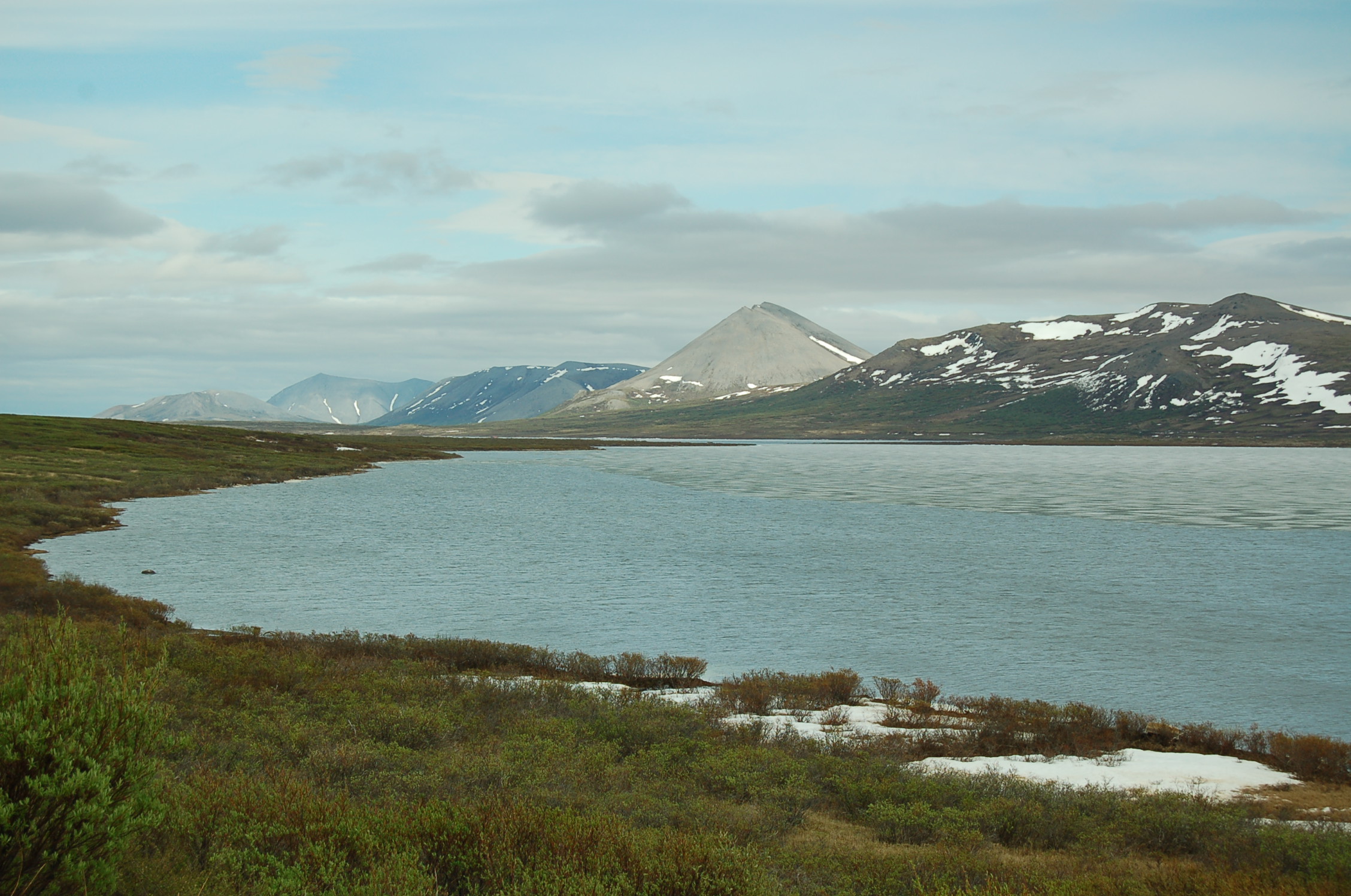
Located at 64.50°N, 165.40°W on Alaska's Seward Peninsula, facing the Bering Sea. From altitude, Nome is visible as a small cluster of buildings on a coastal plain - the only significant settlement for hundreds of miles. The Bering Sea stretches west toward Russia (Big Diomede Island is visible on clear days). The Seward Peninsula extends east; no roads connect Nome to the Alaska highway system. The terrain is tundra - treeless, rolling, dotted with lakes. The Iditarod Trail approaches from the east, crossing frozen rivers and tundra. In March, the trail may be visible as a packed path across the snow. The isolation that necessitated the 1925 serum run is immediately apparent.