Norbulingka
The name means "Jeweled Park," and for once, the translation is not hyperbole. Norbulingka sprawls across 36 hectares on the western bank of the Kyichu River, three kilometers from the Potala Palace - close enough that the annual procession between the two was one of Lhasa's grandest spectacles. From the 1780s until 1959, every Dalai Lama from the Seventh onward spent six months of each summer here, escorted in a glittering cavalcade from the Potala's cold stone chambers to these gardens, these pavilions, these rooms filled with Italian chandeliers and Ajanta-style frescoes. It is the largest man-made garden in Tibet, and it began with a medicinal spring.
From Healing Waters to Royal Grounds
In the 1740s, the 7th Dalai Lama, Kelzang Gyatso, was suffering from poor health. He found relief in a natural spring on what was then barren land, overgrown with weeds and infested with wild animals, in Lhasa's western suburbs. The Qing dynasty permitted him to build a resting pavilion at the site. What started as convalescence became tradition. By 1755, the Dalai Lama had begun constructing a proper palace, and by 1783, under the 8th Dalai Lama Jampel Gyatso, the summer residence was complete. Subsequent Dalai Lamas expanded it further, each adding structures that reflected their era. The Kelsang Palace, the earliest surviving building, is considered a beautiful example of Yellow Hat architecture. From its first floor, Dalai Lamas watched folk operas performed during the Shoton festival in the courtyard opposite. The palace grew organically, accumulating 374 rooms across a complex that now covers 3.6 square kilometers of gardens, forests, and pastureland.
Islands, Bridges, and a Philips Console
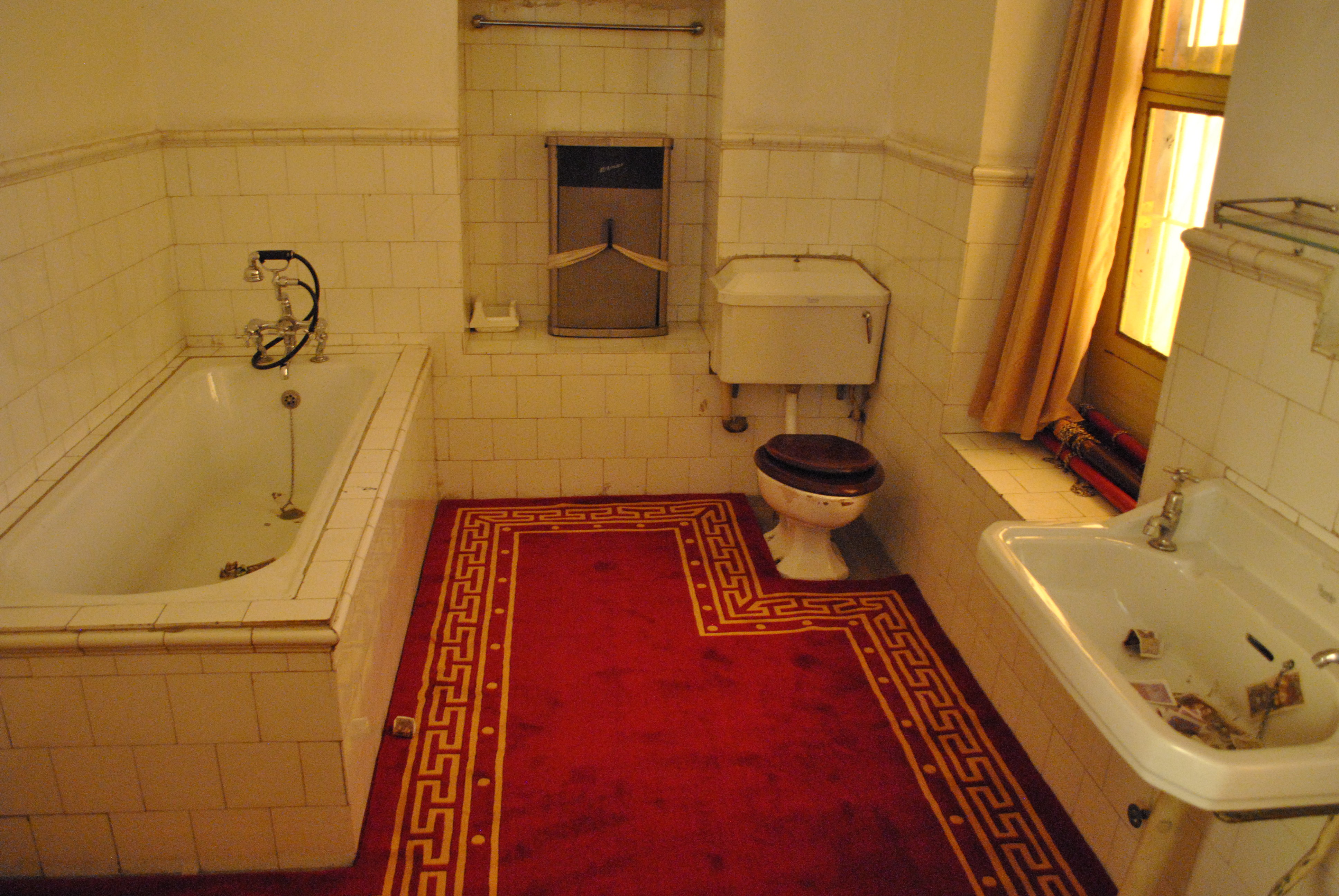
The most dramatic section of Norbulingka is the Lake Palace in the southwest corner. Three islands sit in an artificial lake, connected to the shore by short bridges, each island crowned with its own palace. A horse stable and a row of four houses once stored gifts from Chinese emperors and foreign dignitaries. The eclectic nature of these gifts tells its own story: as of 1986, the collection included an antique Russian radio and a Philips console that still held old 78 rpm records. The 14th Dalai Lama's personal quarters are now open to visitors - his meditation room, bedroom, conference room, and bathroom preserved as they were when he left in 1959. Murals of the Buddha and the 5th Dalai Lama adorn the walls. The rooms feel suspended in time, as if their occupant merely stepped out and might return.
Damage, Restoration, and the Yoghurt Festival
The Chinese invasion of 1950 damaged several buildings at Norbulingka, and the 1959 uprising brought further destruction. For decades, the complex deteriorated. Then in 2001, the Chinese government resolved to restore it. Grants totaling 67.4 million yuan (roughly $8.14 million) were allocated in 2002, and restoration work began in 2003, covering the Kelsang Phodron Palace, the Kashak Cabinet offices, and the surrounding gardens and lakes. Norbulingka had already been declared a National Important Cultural Relic Unit in 1988, and in December 2001, UNESCO inscribed it as a World Heritage Site, extending the designation of the "Historic Ensemble of the Potala Palace." Today the park hosts the annual Sho Dun, the "Yoghurt Festival," when Tibetan families spread picnic blankets across the grounds, and the gardens fill with dancing, singing, and music. During summer and autumn, Norbulingka becomes what the word lingka means in Tibetan: a park in the fullest sense, a place where life happens outdoors.
The Jeweled Park at Altitude
Norbulingka has been called the "highest garden" in the world, a distinction that has earned it the unofficial epithet "Plateau Oxygen Bar." The gardens sit at roughly 3,650 meters, where the thin air sharpens colors and makes greenery feel like an act of defiance against the arid plateau. The 3.4 square kilometers of pastureland and forest within the walls are lush in a landscape that rarely is. For the Dalai Lamas, Norbulingka was an escape from the Potala's formality - a place to study before enthronement, to receive visitors in garden settings rather than throne rooms, to live surrounded by trees and water rather than stone and ceremony. For Lhasa's residents, it remains something rarer still: a park that belongs to its city, where holidays are celebrated and festivals remembered, where the past is neither erased nor preserved behind glass but simply lived in.
From the Air
Norbulingka is located at 29.652N, 91.095E in western Lhasa, on the bank of the Kyichu River, about 3km west of the Potala Palace at approximately 3,650m elevation. The 36-hectare park complex is visible from altitude as a large green area against Lhasa's urban grid. Lhasa Gonggar Airport (ZULS) is approximately 60km to the southwest. Expect high-altitude conditions and variable mountain weather.