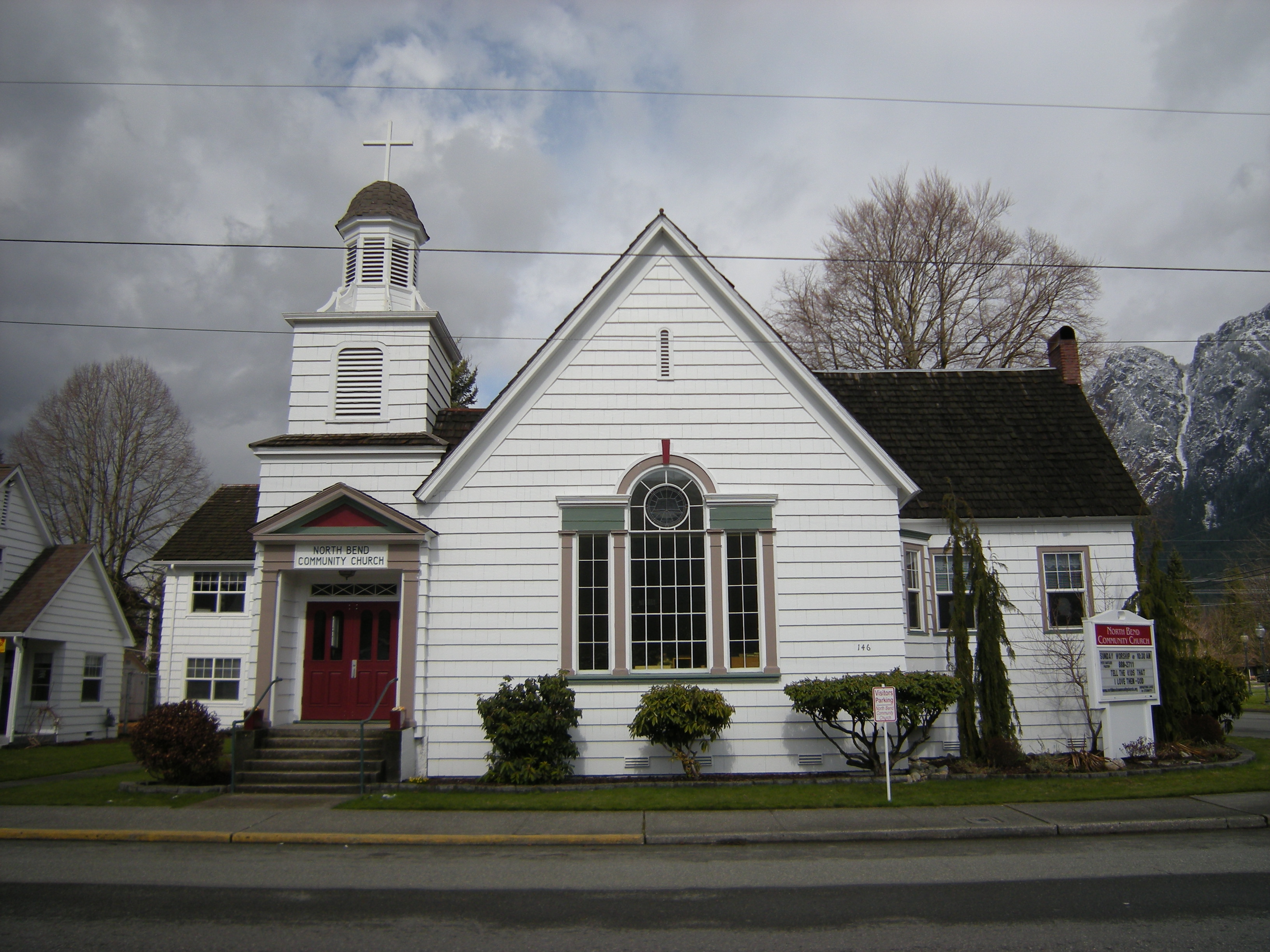
North Bend, Washington
Every morning, Mount Si catches the first light over the Snoqualmie Valley, its rocky 4,167-foot summit glowing pink above the fog that pools in the lowlands. For decades, this was just another logging town in the Cascade foothills - platted as 'Snoqualmie' in 1889, renamed for its position near the bend in the South Fork River, incorporated in 1909. Then David Lynch arrived with a film crew in the late 1980s, and North Bend became something stranger: the Double R Diner, the sawmill, the forests where Laura Palmer met her end. The show ended, but the mystique remained. Today hikers pack the trailhead parking lots on summer weekends, drawn not by television nostalgia but by the simple fact that this is where Seattle's mountains begin.
Gateway to the High Country
North Bend sits at the point where the suburbs give way to wilderness. Interstate 90 threads through town on its way to Snoqualmie Pass, carrying skiers in winter and hikers year-round. The town itself is a bedroom community for Seattle and Bellevue - corporate commuters who chose mountain views over shorter drives. But step off the highway, and you're in different territory. The peaks rise immediately: Mount Si to the northeast, its iconic haystack summit visible from seemingly everywhere; the Rattlesnake Ledge loop above Rattlesnake Lake; the trails of the Middle Fork Snoqualmie stretching deep into the Alpine Lakes Wilderness.
The Mountain That Built the Town
Mount Si is not especially high by Cascade standards, but it dominates North Bend completely. The eight-mile round-trip trail gains 3,100 feet through forests of Douglas fir and western hemlock, emerging at a rocky viewpoint where Seattle shimmers on clear days and the Olympics rise beyond Puget Sound. On weekends, the trail can feel like a pilgrimage route - hundreds of hikers making the climb, many on their first serious mountain experience. The haystack scramble at the very top separates casual hikers from those willing to use their hands. Washington State Parks requires a Discover Pass for parking; federal trails beyond town need a Northwest Forest Pass or Interagency Pass.
Twin Peaks Territory
Lynch chose North Bend for its Douglas firs and its diner, its working-class atmosphere and its dreamlike proximity to genuine wilderness. The Mar-T Cafe became the Double R; Twede's Cafe still serves cherry pie to tourists who remember the show. The series filmed here in 1989-1991, then returned briefly for the 2017 revival. But North Bend was never really Twin Peaks - it was always a logging town that happened to look cinematic. The lumber industry has faded, but the town remains practical: gas stations, gear shops, a Safeway. The oddness Lynch captured was always imaginary, projected onto real mountains and real fog.
Where the Trail Begins
The Mountains to Sound Greenway connects North Bend to a network of trails stretching from Seattle to Ellensburg. The Snoqualmie Valley Trail follows an old railroad grade through the lowlands; the Iron Horse Trail continues over the pass. For serious hikers, the Middle Fork Snoqualmie Road winds deep into the Cascades, accessing backcountry that feels a world away from the suburban fringe. In winter, the trails turn to snowshoe routes or simply close. North Bend is the last supply stop before the high country - the place to fill the tank, grab coffee, and check the weather one more time before climbing into the clouds.
From the Air
Located at 47.49N, 121.79W in the Snoqualmie Valley at the western edge of the Cascades. Mount Si (4,167 ft) is the prominent landmark immediately northeast of town, easily visible from the air. Snoqualmie Pass (3,022 ft) lies 25nm east along I-90. Nearest airports: Snoqualmie Valley Airport (93S, uncontrolled, 1,250 ft grass/turf, 10nm north), Harvey Field (S43, 3nm northwest), Seattle-Tacoma International (KSEA, 40nm west). Expect mountain weather effects: valley fog common in mornings, terrain-induced turbulence near ridgelines, and rapidly changing conditions. The Cascade passes can close quickly in winter storms.