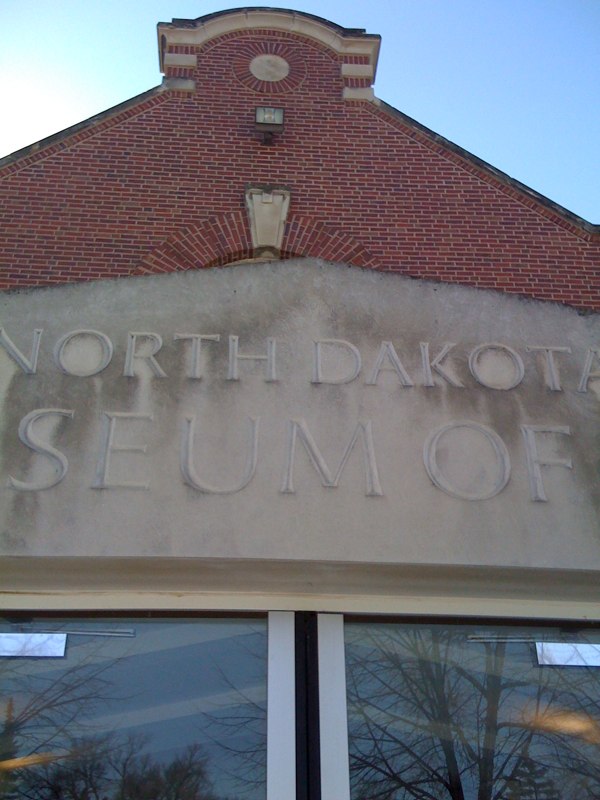
North Dakota Museum of Art
A gymnasium built in 1907, when Grand Forks was still a frontier rail town, now holds works by Cuban-born multimedia artist Maria Magdalena Campos Pons, Canadian beeswax sculptor Aganetha Dyck, and New York conceptualist Kiki Smith. The North Dakota Museum of Art occupies this unlikely space on the University of North Dakota campus, and the mismatch between container and contents is part of the point. Since 1981, when the state legislature designated it North Dakota's official art museum, the NDMOA has insisted that world-class contemporary art belongs here -- on the Great Plains, in a city of 59,000, where winter temperatures routinely plunge below minus twenty and the nearest major metro is Minneapolis, four hours southeast. Admission is free.
From Basketballs to Benes
The building began its life as the West Gymnasium on the UND campus, a solid brick structure that served students for decades before athletic facilities moved elsewhere. In 1989, the old gym was remodeled into exhibition space, and the museum settled into its permanent home. The transformation was not merely architectural. New York artist Barton Lidice Benes designed the gift shop and created the donor wall, constructing it in the style of his own shadow box museums -- miniature worlds encased behind glass. Since 2013, the museum has hosted an even more ambitious Benes project: a full reconstruction of the artist's New York City apartment, titled Barton's Place. Walking through it feels like stepping into a life organized entirely by creative obsession, transported wholesale from Manhattan to the northern prairie.
Art That Speaks to the Land
The museum's exhibition history reveals a deliberate tension between the global and the fiercely local. International contemporary shows rotate through the three galleries alongside work rooted in the specific landscape and history of North Dakota. Under the Whelming Tide documented the devastating 1997 Red River flood that inundated Grand Forks, destroying thousands of homes and forcing the evacuation of the entire city. Fractured: North Dakota's Oil Boom examined the Bakken formation's transformation of the western part of the state. Songs for Spirit Lake, shown in two parts, engaged with the culture and experience of the Spirit Lake Tribe. In between, the galleries have hosted retrospectives of Robert Rauschenberg's four decades of works on paper and Rick Bartow's paintings exploring Indigenous identity. The range is the point: this is a museum that refuses to choose between the local and the cosmopolitan.
A Garden of Sculpture and Sound
Outside, sculptor Richard Nonas designed the outdoor sculpture garden, adding a physical dimension that extends the museum beyond its gymnasium walls and into the North Dakota air. Inside, the programming extends well beyond the visual. The Sunday Concerts in the Gallery series runs from October to April, filling exhibition spaces with live music during the long northern winter. When summer arrives and daylight stretches past ten at night, Concerts in the Garden move performances outdoors. The museum also partners with the Empire Arts Center downtown for additional programming. Summer Kid's Art Camps, Family Days, adult classes, and a rural arts program that sends exhibitions touring across North Dakota ensure that the museum's reach extends far beyond the university campus and the city limits of Grand Forks.
Light Through New Skylights
A significant renovation added skylights to the former gymnasium, flooding the galleries with natural northern light -- the same diffuse, even illumination that painters have sought out for centuries. New flooring and windows completed the transformation, turning a building designed for physical education into one designed for visual contemplation. The permanent collection anchors the space. Alongside Campos Pons, Dyck, and Smith, the collection includes Azerbaijani photojournalist Rena Effendi and North Dakota painter Walter Piehl. It is a deliberately eclectic group, bridging continents and media, united by the museum's conviction that a converted gym on a prairie campus can hold art that matters to the wider world.
From the Air
Located at 47.919°N, 97.074°W on the University of North Dakota campus in Grand Forks, North Dakota, at approximately 830 feet MSL. The museum is part of the broader UND campus visible along University Avenue. Grand Forks Air Force Base (KRDR) is approximately 15 miles west. Grand Forks International Airport (KGFK) lies just west of the city. The Red River of the North, which forms the North Dakota-Minnesota border, runs along the eastern edge of Grand Forks and is clearly visible from altitude. Best identified by its proximity to the UND campus cluster of buildings along the western side of Grand Forks.