North Dakota State University
Ten national championships in FCS football. An undefeated 15-0 season. A habit of beating Big Ten teams that have no business losing to a school from Fargo. North Dakota State University has built something improbable on the northern plains -- a Division I athletic powerhouse grafted onto an R1 research university that still traces its roots to a land-grant agricultural college founded in 1890. The Bison, pronounced 'biZon' by those who know, play their home games inside the Fargodome while the campus itself sprawls across more than 100 buildings in a city where winter temperatures routinely plunge well below zero. That combination of ferocity and endurance defines the place.
Six Classrooms and a Dream
The bill founding North Dakota Agricultural College was signed on March 8, 1890, one year after North Dakota achieved statehood and seven years after the first plans for an agricultural school in the northern Dakota Territory. On October 15, 1890, Horace E. Stockbridge became the first president. There was no campus. Classes were held in six classrooms rented from Fargo College. The first students were admitted on September 8, 1891. College Hall, known as Old Main, was completed in 1892 as the first building on campus, rising from the flat prairie like a statement of intent. The school grew steadily through the early twentieth century, adding programs and buildings as the agricultural economy of the Red River Valley demanded trained graduates. On November 8, 1960, a statewide referendum renamed the institution North Dakota State University, acknowledging that it had long since outgrown its purely agricultural origins.
The Bison Football Machine
The numbers are staggering. NDSU won five consecutive FCS national championships from 2011 through 2015, a feat no other football program in modern NCAA history has matched. The Bison won their sixth title in seven years in 2017, completed an undefeated 15-0 season in 2018 for championship number seven, and added titles in 2019 and 2021. On January 6, 2025, they claimed their tenth FCS national championship with a 35-32 win over Montana State, giving NDSU eighteen total national titles in football when combined with their Division II era -- tying Yale for the most in NCAA football history. The program has also made a habit of embarrassing FBS opponents: on September 17, 2016, the Bison upset the No. 13 Iowa Hawkeyes 23-21, their sixth straight victory over an FBS team. Alumni like Carson Wentz, Trey Lance, and Easton Stick went on to NFL careers, all of them quarterbacks forged in the Fargodome's din.
Research on the Red River
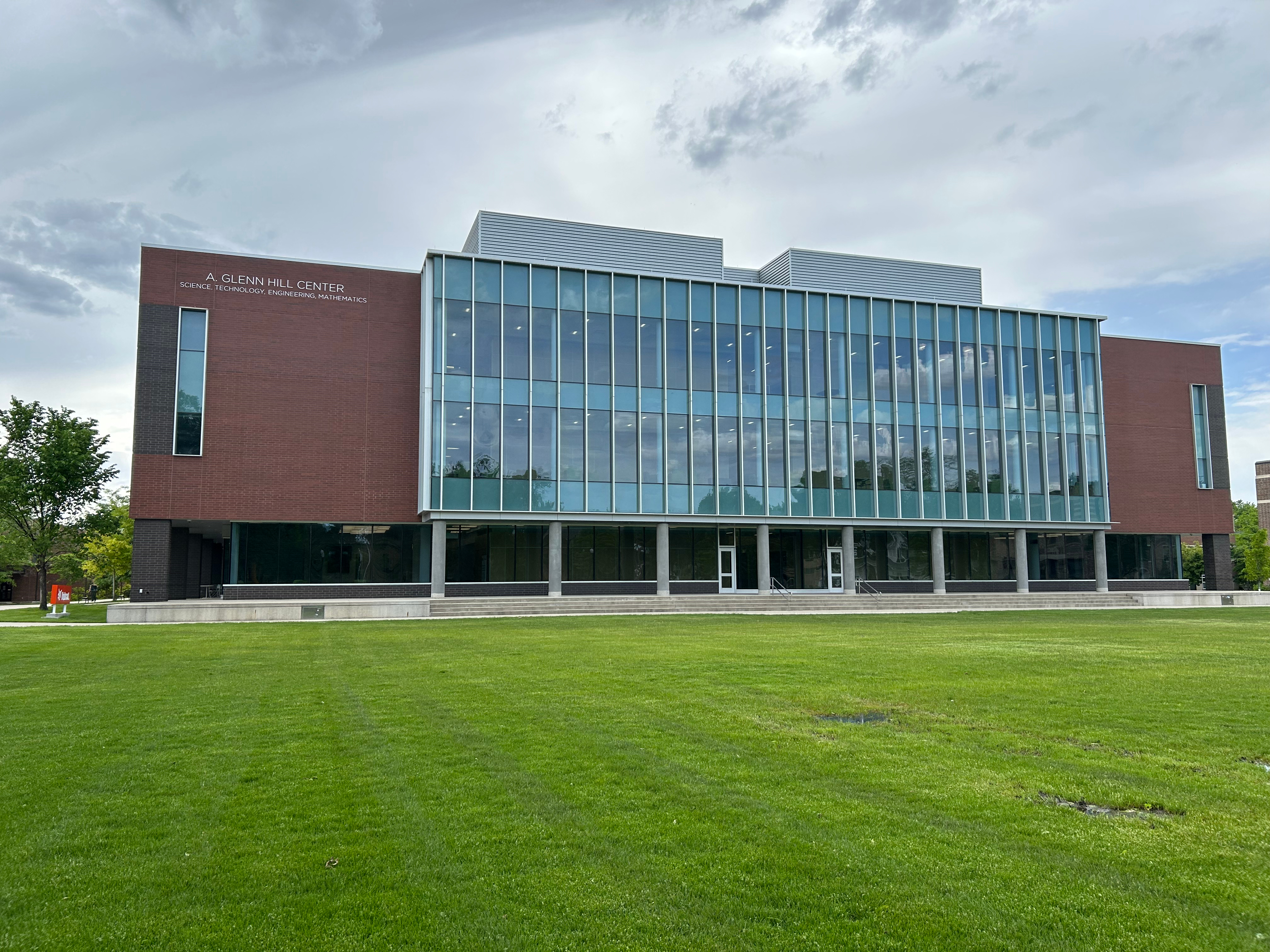
Beyond football, NDSU holds the Carnegie Classification of R1, signifying very high research activity -- the largest research institution in North Dakota according to the National Science Foundation. Annual research expenditures exceed $150 million, concentrated in nanotechnology, genomics, agriculture, chemistry, and polymers and coatings. The Research and Technology Park northwest of the main campus houses firms working on RFID, high-performance computing, and biotech startups through its Technology Incubator, which opened in 2007. In 2015, NDSU's economic impact on the state was estimated at $1.3 billion per year, and by 2024 the university had become the fourth-largest employer in North Dakota. For a school that started by renting classrooms, the trajectory is remarkable.
Campus Life Between the Skyways
Winter in Fargo is no abstraction. NDSU's campus addresses the climate head-on: skyways connect the Memorial Union to academic buildings, tunnels link the four identical residential high-rises in the north campus area, and Dacotah Field has a climate-controlled bubble for winter practice. The Memorial Union, originally completed in 1953, underwent a $22 million expansion in 2005 and now houses a bookstore, bowling alley, e-sports gaming lab, and dining options. The Babbling Brook in the historic Minard-South Engineering quad offers a gentler side of campus -- trickling waterfalls, fish, flowers, and 'buffalo-rubbed' rocks in an amphitheater setting. NDSU's downtown Fargo presence includes Renaissance Hall, a renovated Northern School Supply building housing visual arts and architecture programs, and Richard H. Barry Hall, home to the College of Business in the refurbished Pioneer Mutual Life Insurance building.
From Burgum to Backlund
The roster of notable alumni speaks to NDSU's unexpected range. Doug Burgum, founder of Great Plains Software and former governor of North Dakota, became U.S. Secretary of the Interior. Bob Backlund went from the Fargo campus to the WWF Championship. Alf Clausen composed music for The Simpsons for nearly three decades. Economist Mancur Olson wrote influential works on collective action theory. Loren D. Hagen earned the Medal of Honor in Vietnam. The thread connecting them is a land-grant university that has always been bigger than its zip code suggests, turning out leaders, athletes, scholars, and, yes, professional wrestlers from a campus on the northern plains that the rest of the country keeps underestimating.
From the Air
Located at 46.892N, 96.800W in Fargo, North Dakota. The main campus sits west of University Drive, with over 100 buildings spread across the flat Red River Valley floor. The Fargodome, home of Bison football, is visible to the north of campus as a distinctive domed structure. Hector International Airport (KFAR) is approximately 3 miles northwest. The Red River of the North forms the North Dakota-Minnesota border just east of the city. Moorhead, Minnesota, and Concordia College are visible across the river. From the air at 4,000-6,000 feet AGL, the entire campus and its Research and Technology Park to the northwest are clearly distinguishable from Fargo's residential grid.