Northern Railroad of Guatemala
Two presidents died because of this railroad. The first, Justo Rufino Barrios, conceived the plan in 1883 to connect Guatemala City to the Atlantic coast, funding it through a mandatory tax on anyone earning more than four pesos a month. He was killed in battle in 1885, and the project died with him. The second, Jose Maria Reyna Barrios, revived the dream in 1892, staking Guatemala's economic future on completing a transoceanic rail link at a time when the Panama Canal did not yet exist. A collapse in coffee and silver prices bankrupted the country, and Reyna Barrios was assassinated on February 8, 1898. The railroad they imagined would eventually be built -- but not by Guatemala. It would be built by the United Fruit Company, and the price of completion was the country's sovereignty over its own infrastructure.
A President's Wager
Reyna Barrios saw the Northern Railroad as more than a rail line. On July 19, 1895, he issued executive action number 513, founding the port city of Puerto Barrios between the Escondido and Estrecho rivers. Executive action 524 declared it the Republic's major port, transferring customs operations from the older settlement of Livingston. The railroad was to be the centerpiece of the Exposicion Centroamericana, a grand fair meant to showcase Guatemala to European and North American investors. With the United States and Spain still fighting over Cuba, Reyna Barrios believed a reliable interoceanic transport corridor -- rail from the Caribbean to the Pacific port of Iztapa -- could position Guatemala as an indispensable link in global trade. But the steep cliffs surrounding Guatemala City made construction agonizingly difficult and expensive. When coffee prices crashed, the economy collapsed, the exposition failed, and the president was murdered. The railroad, still unfinished, passed to his successor along with an enormous debt to British banks.
The Octopus Arrives
Manuel Estrada Cabrera, the civilian lawyer who inherited the presidency and the debt, turned to the United States. In 1900, he authorized a contract with the Central American Improvement Company to finish the line. The price was staggering: the American company received a concession to use the railroad and all its facilities -- including the port and docks at Puerto Barrios -- without charge. Guatemalan citizens and their own government had to pay fees to use infrastructure their taxes had built. The company soon came under the umbrella of International Railways of Central America, incorporated in New Jersey, and IRCA itself became a subsidiary of the United Fruit Company. By the early twentieth century, United Fruit controlled Puerto Barrios completely: the docks, the railroads, the banana plantations in Izabal, and the Great White Fleet of merchant ships that carried cargo and passengers to and from the port. The company even offered tourist excursions -- comfortable steamboat rides down the Rio Dulce to Livingston, with stops at the Maya ruins of Quirigua, which sat on UFCO property.
The Highway and the Coup
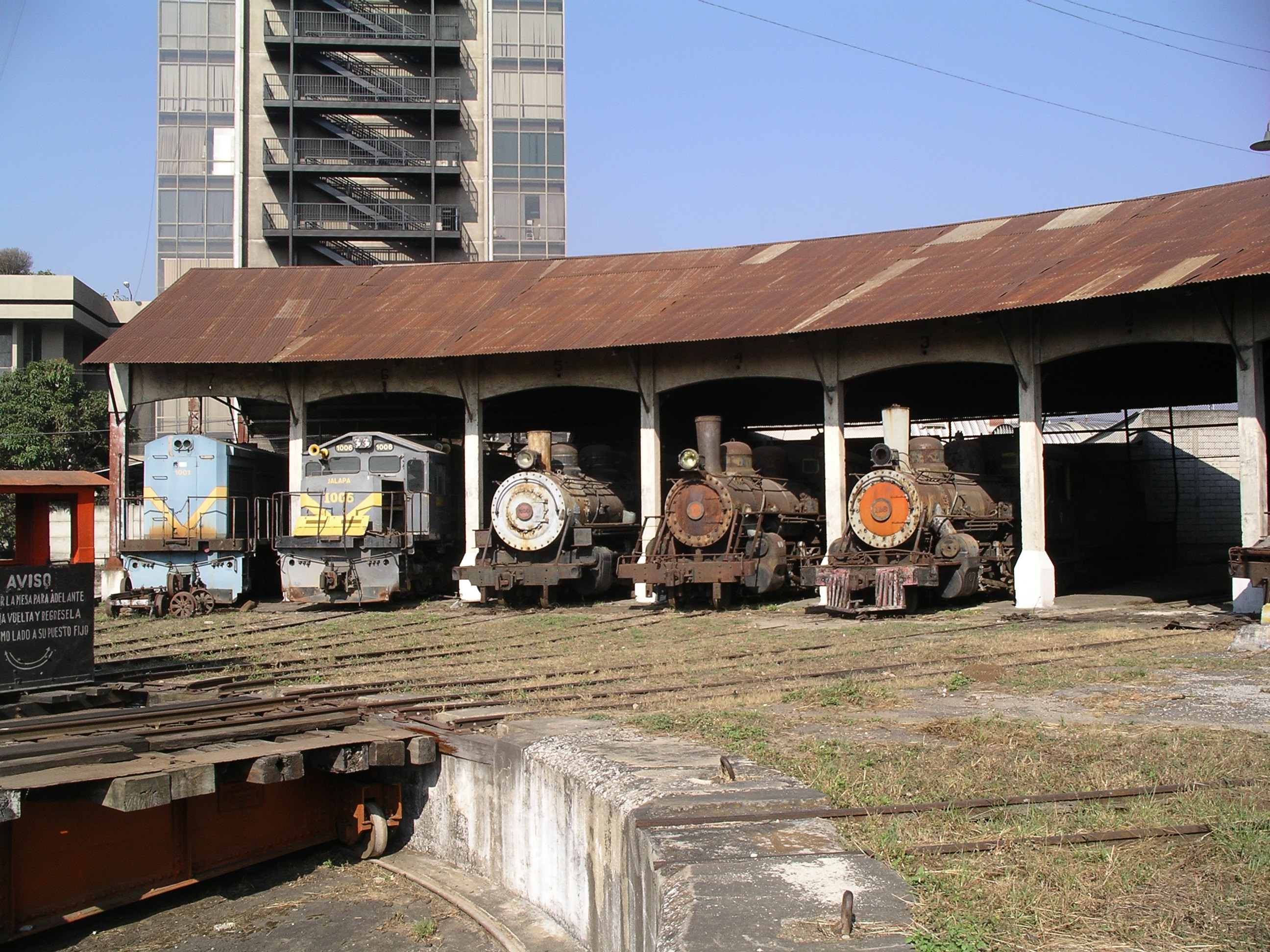
In the early 1950s, President Jacobo Arbenz Guzman decided to break United Fruit's stranglehold. He ordered the construction of a highway to compete with IRCA's rail monopoly and built a new port, Santo Tomas de Castilla, to rival Puerto Barrios. His agrarian reform reclaimed UFCO land for redistribution. The fruit company, backed by the United States government, accused Arbenz of communism, and in 1954 a CIA-backed coup removed him from power. But the highway was nearly finished, and his successor, Carlos Castillo Armas, completed it. The road did exactly what Arbenz intended: IRCA reported its last profit in 1957. Facing an antitrust suit and unable to compete with trucks on the new highway, IRCA defaulted in 1968. The government took over, renaming the system Ferrocarriles de Guatemala -- FEGUA -- but the tracks continued to deteriorate. Regular operations ceased in 1996.
Bridges to Nowhere
A revival attempt came in 1997 when Railroad Development Corporation received a 50-year concession and began rehabilitating the line. Hurricane Mitch destroyed portions of the route in 1998, and squatters had built homes on the right-of-way during the years of abandonment. Still, by December 1999, freight trains were running the full length from Guatemala City to Puerto Barrios -- 200 miles of track carrying containers, steel, cement, paper, and bananas. It lasted eight years. In 2006, the Guatemalan government invalidated a key operating contract, and the resulting legal and financial chaos forced operations to halt in October 2007. An international arbitration case settled in RDC's favor, awarding $14.6 million in compensation. But the railroad itself was already gone. Thieves dismantled most of the bridges and sold the metal for scrap. Today, the Northern Railroad exists primarily as a legal case study and a landscape of rusted rails vanishing into the jungle -- a monument to the gap between what infrastructure promises and what politics allows.
From the Air
The Northern Railroad route runs from Guatemala City (MGGT) northeast to Puerto Barrios (PBR) at approximately 15.73N, 88.60W on the Caribbean coast. From 5,000-10,000 feet AGL, remnants of the rail corridor are occasionally visible cutting through the Motagua River valley and the lowland jungle of Izabal. Puerto Barrios and the adjacent port of Santo Tomas de Castilla are visible on the Bay of Amatique. The Rio Dulce corridor and Lake Izabal are prominent landmarks to the south. Expect humid tropical conditions with frequent afternoon convection over the lowlands.