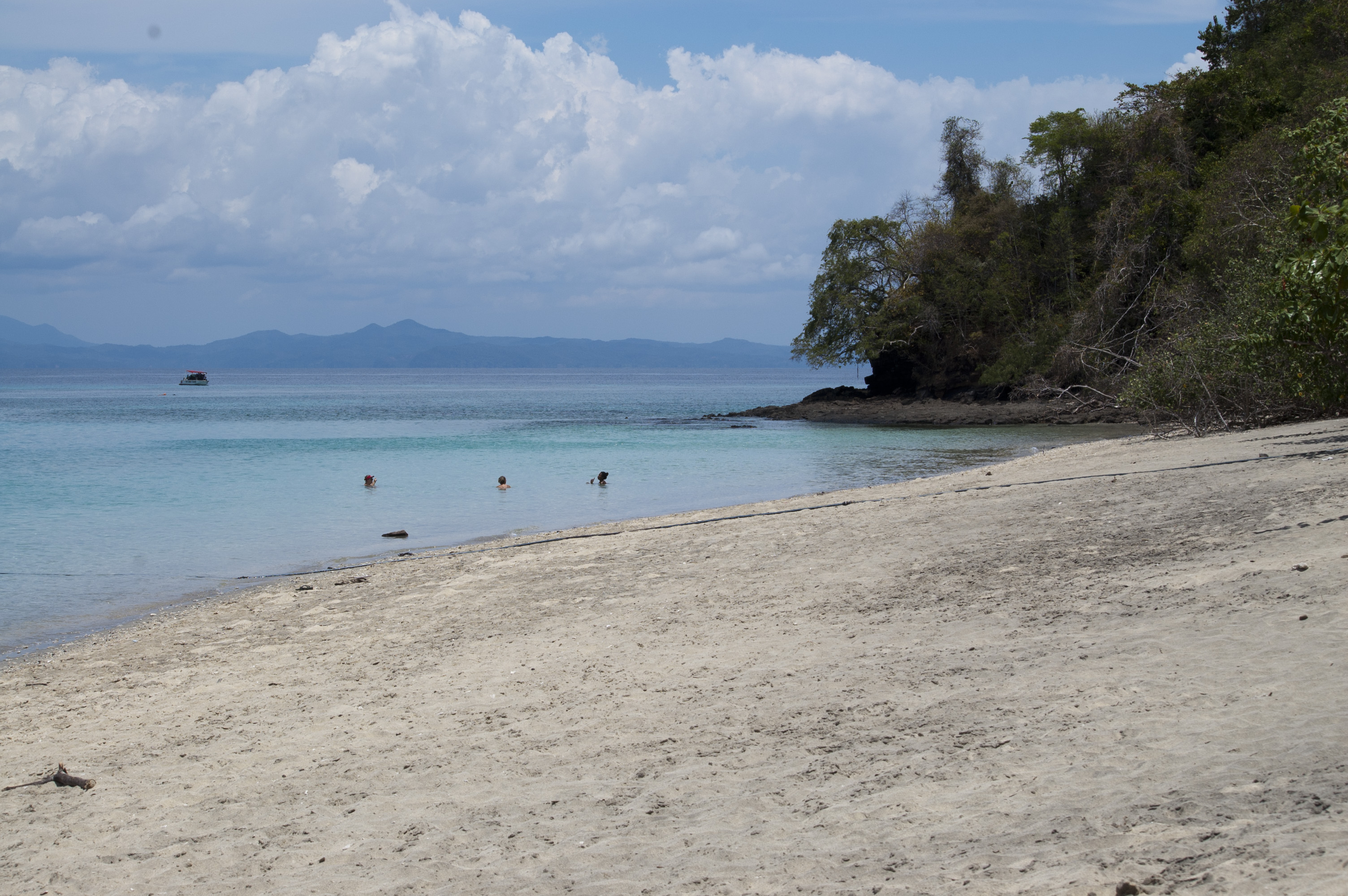
Nosy Tanikely
The boats anchor in shallow water and the snorkelers slip over the side, and within seconds the ocean floor becomes a living mosaic. Healthy coral spreads in every direction -- branching, plating, mounding -- threaded with reef fish in numbers that suggest this patch of Indian Ocean has not yet received the memo about global decline. Sea turtles glide past with the calm authority of animals that know they are protected here. Nosy Tanikely, a speck of an island southwest of Nosy Be, is Madagascar's oldest marine reserve, and what it lacks in size it compensates for in the sheer density of life beneath its surface.
A Sanctuary the Size of a Park
Nosy Tanikely is uninhabited. There are no hotels, no restaurants, no shops, no roads. A circumnavigation by boat takes fifteen to twenty minutes. What the island does have is a lighthouse at its peak, reachable by a short trail from the beach, with a spiral staircase that offers views across the channel toward Nosy Be and the Madagascan mainland. An interpretation center beside the lighthouse explains the area's ecology in several languages. Along the beach, a trail leads to a tree sheltering a colony of Madagascar flying foxes -- large fruit bats that hang in clusters and prefer not to be disturbed. At the island's center, a troop of introduced brown lemurs occupies the canopy, accessible via a short set of stairs from the sand. But these are appetizers. The main event is underwater.
Where the Reef Still Thrives
Snorkeling is the reason people come to Nosy Tanikely, and the snorkeling is, by most accounts, world-class. The marine sanctuary designation has kept the worst pressures at bay -- no fishing, no anchoring on coral, no collecting. The result is a reef system where the coral is genuinely healthy: colorful, structurally complex, and swarming with fish. Sea turtles are nearly guaranteed. Sharks, by contrast, are rare throughout the Nosy Be area. The protected zone extends around the island, and visitors who enter the water on the right side of the anchorage find themselves in the heart of it. Hours disappear easily. The primary danger, as the island's few guidelines note, is the sun. Snorkelers lose track of time and surface with burns severe enough to ruin a trip. A park fee is required of every visitor, typically collected by a ranger on duty, and usually included in the cost of a day excursion arranged through hotels on Nosy Be.
Day Trip Island
Almost no one comes to Nosy Tanikely independently. Hotels and agencies on Nosy Be arrange boat transport, and prices vary with distance, boat type, and negotiating skill. Overnight stays are prohibited -- everyone must leave before dark. This enforced impermanence is part of the island's character. There are no services to speak of, though villagers from nearby islands sometimes arrive by pirogue to prepare lunch on the beach for tourists who arrange it in advance. A few trinket sellers may appear, but most visitors leave their wallets on Nosy Be. The island exists as a pure encounter with nature, stripped of commerce and infrastructure. Nosy Komba, the roadless island to the northeast known for its black lemurs, offers a complementary experience -- more human, more historical, more complicated. Together, the two islands represent the range of what Madagascar's northwest coast can offer: on Tanikely, the ocean and its creatures; on Komba, the tangle of people, history, and forest.
From the Air
Located at 13.48S, 48.24E southwest of Nosy Be, Madagascar. From altitude, Nosy Tanikely appears as a tiny forested island surrounded by turquoise waters and coral reef. The island is clearly visible from approaches to Nosy Be's Fascene Airport (FMNN), the nearest commercial airport. Nosy Komba's prominent volcanic cone lies to the northeast. The Madagascan mainland is visible to the east. The island has no airstrip or port facilities -- access is by small boat only.