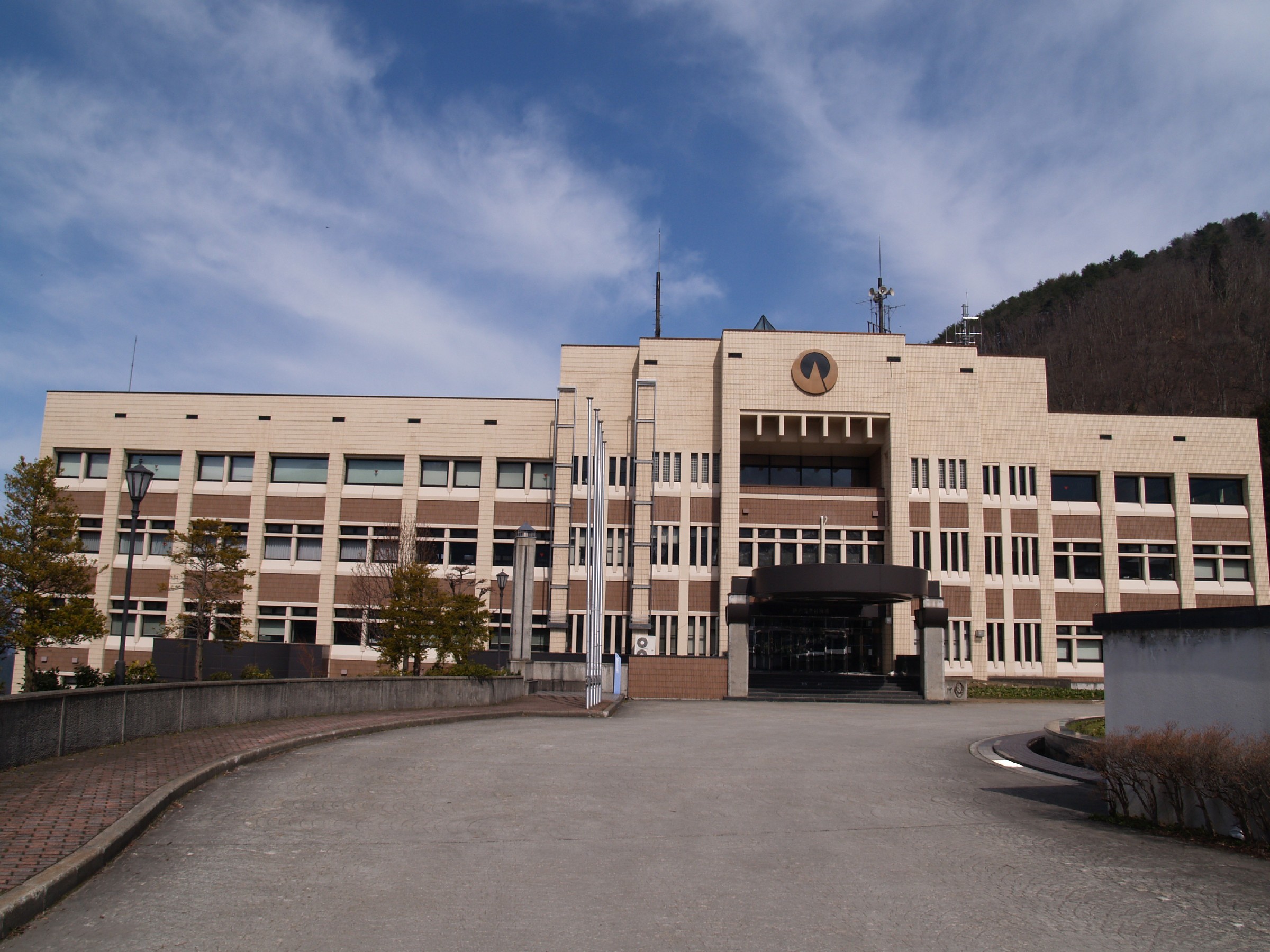
Nozawaonsen
Every January 15, the men of Nozawaonsen try to burn down a shrine. Not a real one -- a three-story wooden structure called a shadan, built without nails or wire by villagers aged 40 to 42 under the direction of a master carpenter. The 25-year-old men of the village defend it with their bodies. Everyone else attacks with flaming torches. Sake is handed out to onlookers. The battle lasts one and a half to two hours before the attackers finally succeed in setting the shadan ablaze, and it burns through the night. This is the Dosojin Fire Festival, designated an Important Intangible Folk Cultural Property of Japan since 1993, and it has been the defining event of this small hot spring village in the mountains of Nagano Prefecture for as long as anyone can remember. Records from 1863 describe it as already well-established.
Waters Found by a Monk
Nozawaonsen sits in the mountains of what was once Shinano Province, one of the ancient administrative regions of Japan. Local legend credits the Buddhist monk Gyoki with discovering the hot springs in the 8th century. The village name appears in written records by the mid-Kamakura period, and by 1870, the settlement had 24 inns serving nearly 25,000 visitors who came for hot-spring cures. The modern municipality took shape through a series of mergers: the village of Toyosato was established in 1889, merged with Takano to form Zuiho in 1892, then split when part of Zuiho joined the city of Iiyama in 1954. What remained became Nozawaonsen on April 1, 1955. The village briefly stepped onto the world stage when it hosted the biathlon events during the 1998 Winter Olympics in nearby Nagano. Its population has declined over the past seven decades, but the onsen and the ski slopes keep drawing visitors who sustain the local economy of agriculture and seasonal tourism.
The Architecture of Ritual
The Dosojin Fire Festival is a three-day event, but the preparation begins months earlier. In autumn, the 42-year-old yakudoshi -- men at an age considered spiritually unlucky, requiring cleansing -- select and cut a 20-meter Japanese beech tree from the Hikage ski area. On January 13, teams of chanting yakudoshi drag the massive timber through the village while sake is distributed to spectators lining the route. Construction of the shadan occupies all of January 14 and the morning of the 15th. The finished structure stands 10 meters high and 8 meters wide, assembled in complete silence and without alcohol -- a sharp contrast to the revelry surrounding every other phase of the festival. No nails. No wire. The same design, year after year. At 7 PM on the 15th, representatives strike a flint passed down through generations to kindle the ceremonial flame, singing the dosojin song as they light great torches for the procession to the shrine grounds.
The Battle and the Burning
The procession reaches the grounds at roughly 8:30 PM. Torches light a central bonfire, and from that fire more torches are lit. Then the assault begins. The festival organizers attack first, followed by children, followed by every man in the village. The objective is simple: charge the shadan with a lit torch, break through the wall of 25-year-old defenders stationed at its base, and set the structure ablaze. The young defenders use physical force to repel the attackers. The 42-year-old yakudoshi sit atop the shrine itself, perched on the very thing everyone below is trying to incinerate. Participation is mandatory for all males living in the village, regardless of birthplace -- a rite of passage and a bonding ritual in one. The 25-year-olds are assigned sober guardians, since safety during a melee involving fire, alcohol, and physical combat is a genuine concern. After roughly two hours of sustained attack, the flames win. The shadan burns through the night.
Dosojin and Totem Poles
The festival's deeper purpose is the honoring of Dosojin, folk guardian deities found throughout Japan. But Nozawaonsen's wooden Dosojin statues are distinctive: pencil-shaped, painted, and ubiquitous. Every household keeps a pair representing a male and female figure. Folk tradition holds that they depict a couple who were not particularly attractive but married happily and had sons, symbolizing the contentment of family life. The festival also celebrates boys born during the previous year. Lucky families construct hatsuakarikago -- elaborate totem poles nine to ten meters tall, built from oak and cedar, topped with the family crest, hung with wind chimes and long paper strips bearing well-wishes from relatives and friends. These structures go up outside the family home on January 11 and are carried to the festival grounds on the 15th, where they join the final conflagration. Accommodation books a year in advance. Sake is handed out to onlookers.
Snow, Springs, and Soba
Beyond the fire festival, Nozawaonsen is a village built on hot water and cold powder. The Nozawa Onsen Snow Resort draws skiers and snowboarders to its slopes, and the village's sister city -- St. Anton am Arlberg, Austria, twinned since 1971 -- reflects the alpine kinship. Local food specialties lean into the mountain setting: Shinshu soba noodles, nozawana pickled vegetables, oyaki dumplings steamed over onsen water, mountain greens, local apples, and craft beer from the Anglo Japanese Brewing Company. The village has no railway station of its own; the closest Shinkansen stop is Iiyama Station, a 25-minute bus ride away, with village bus schedules timed to match the bullet train timetable. There is no high school -- just one elementary school and one junior high. It is a small place, intimate and proud, where the rhythms of the year revolve around snow, steam, and a fire that everyone in town helps to build and then fights to destroy.
From the Air
Nozawaonsen is located at 36.923N, 138.441E in the mountains of Nagano Prefecture, Japan. The village sits in a mountain valley on the eastern slopes above the Shinano River plain. Nearest major airport: Niigata Airport (RJSN), approximately 85nm to the north-northeast. The Hokuriku Shinkansen passes through nearby Iiyama, roughly 25 minutes by road to the southwest. The Nozawa Onsen Snow Resort ski area is visible from the air during snow season as cleared runs on the surrounding mountain slopes. Expect heavy snowfall from November through March, with mountain weather producing frequent cloud cover and reduced visibility. Summer offers clearer conditions with afternoon thermal buildups.