Nyamata
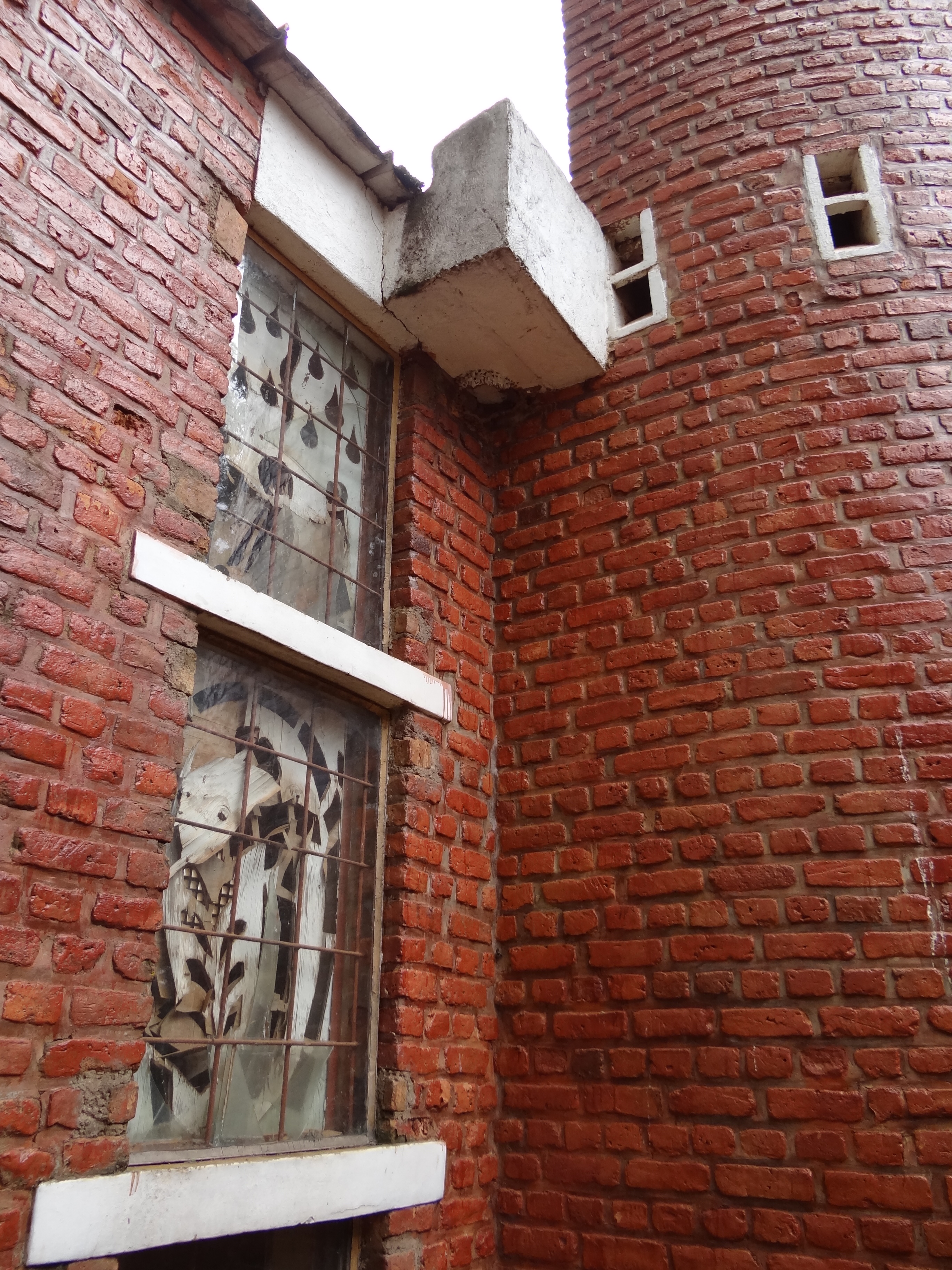
The brick church in Nyamata still stands, its iron doors bent inward where they were forced open in April 1994. Inside, the pews remain. So do the bloodstained clothes of the people who died there -- draped across the wooden benches as a permanent testament to what happened in this small town 39 kilometers south of Kigali. Nyamata is a place of two identities: a thriving agricultural hub in Rwanda's Eastern Province, home to some 35,000 people, and one of the most important genocide memorial sites in the world. To visit is to hold both realities at once.
A Town Among the Hills
Nyamata sits in the Bugesera District, where Rwanda's characteristic hills roll out in every direction, terraced with banana groves and cassava fields. The town serves as a regional center for agriculture and handicrafts, drawing farmers and traders from surrounding villages. Markets overflow with local produce -- brochettes of grilled meat, isombe made from mashed cassava leaves, fried bananas sold from roadside stalls. The pace of life here is measured by growing seasons rather than clocks. For travelers arriving from Kigali, the 39-kilometer drive south passes through increasingly rural countryside, the capital's construction cranes giving way to red-earth roads and green hillsides that seem to stretch endlessly under equatorial skies.
What the Church Remembers
During the 1994 genocide against the Tutsi, thousands of people fled to the Nyamata Catholic Church, believing its walls would protect them. Churches had provided sanctuary before, during earlier waves of ethnic violence. This time, they did not. The Interahamwe militia attacked the church and killed approximately 10,000 people who had gathered inside and in the surrounding area. Today, the Nyamata Church Memorial preserves the site exactly as it was found. Victims' clothing hangs from the pews and ceiling. A crypt beneath the church holds the remains of those who were killed. The memorial does not look away from what happened -- it insists that visitors see, understand, and remember the human beings who were murdered in this place.
The Weight of Witness
What makes Nyamata's memorial so affecting is its refusal to abstract the violence into statistics. Each piece of clothing on those pews belonged to a specific person -- someone with a name, a family, a life interrupted. The memorial guides, some of whom lost relatives in the massacre, walk visitors through the site with quiet gravity. Skulls and bones are visible in the underground crypt, not as spectacle but as evidence and as a form of burial that insists on acknowledgment. Rwanda chose to preserve sites like Nyamata precisely because forgetting would compound the original crime. The memorial is listed on UNESCO's tentative World Heritage list alongside three other Rwandan genocide memorial sites: Murambi, Bisesero, and Gisozi.
Living Forward
Modern Nyamata is not frozen in 1994. The town has rebuilt itself with a determination characteristic of post-genocide Rwanda. New guesthouses and hotels serve visitors -- among them Hotel Hill View and Hotel Horizon. The local economy has diversified, with handicraft cooperatives producing goods for both domestic and tourist markets. Community reconciliation programs have brought survivors and perpetrators' families into uneasy but functional coexistence. The annual commemoration ceremonies in April draw thousands. For the rest of the year, Nyamata's children attend school, its farmers tend their hills, and its market vendors haggle over the price of groundnuts -- ordinary life continuing in a place that witnessed the extraordinary worst of human behavior, and chose to remember it rather than bury it.
From the Air
Located at 2.20S, 30.12E in Rwanda's Bugesera District, approximately 39 km south of Kigali. The town is visible from moderate altitude amid the rolling green hills of the Eastern Province. Nearest airport: Kigali International Airport (HRYR), approximately 35 km to the north. A new Bugesera International Airport (under construction) will be significantly closer, approximately 20 km away. Best viewed at 3,000-5,000 feet AGL where the characteristic Rwandan hill terrain and agricultural patterns are visible.