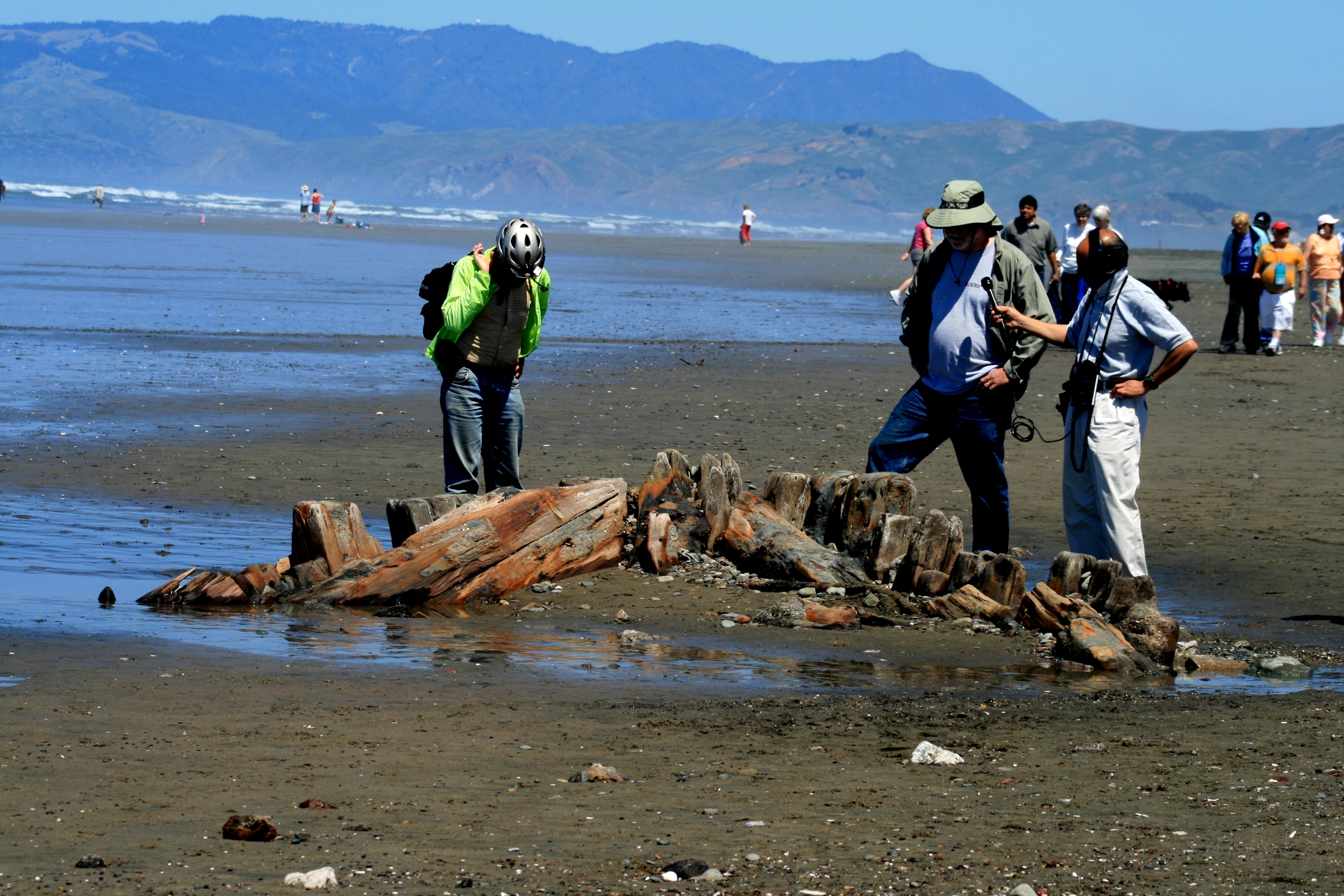
Ocean Beach, San Francisco
Ocean Beach is not a beach for swimming. The rip currents are fierce, the water is cold enough to cause hypothermia in minutes, and the waves break with a force that has killed experienced surfers. It is, however, the beach San Francisco has: three and a half miles of sand on the city's western shore, facing nothing but the Pacific Ocean and the Farallon Islands thirty miles out. On foggy days, which is most days, the beach feels like the edge of the world. On clear evenings, when bonfires dot the sand and the sunset turns the water copper, it feels like the only place in the city that has not been developed, gentrified, or improved.
The Dangerous Shore
Ocean Beach runs from the Cliff House at Lands End south to Fort Funston. The surf culture here is real but hard-earned: the breaks are powerful and unpredictable, the water temperature rarely exceeds the mid-fifties, and the rip currents have pulled strong swimmers out to sea. Warning signs line the beach. Lifeguards patrol during summer months but cannot cover the entire stretch. Despite the dangers, surfers ride these waves year-round, wearing thick wetsuits and accepting the ocean on its own terms. The beach is part of the Golden Gate National Recreation Area and is managed by the National Park Service.
Bonfires and Boundaries
On any evening when the wind dies down, fire pits along the beach flicker with bonfires. Families, friends, and strangers share the warmth, and the smell of wood smoke drifts over the dunes. The city has periodically tried to regulate the bonfires, citing air quality and cleanup concerns, but the tradition persists. Ocean Beach is where San Francisco's planning instincts end and something older takes over. The sand stretches wide at low tide, revealing tide pools and the occasional crab. The Great Highway, which runs parallel to the beach, was partially closed to car traffic in recent years and converted to a pedestrian and cycling promenade, a change that has been both celebrated and contested in the way San Francisco contests everything.
Where the Grid Meets the Waves
The western end of Golden Gate Park meets the northern section of Ocean Beach, and the Sunset and Outer Richmond neighborhoods press up against the dunes to the south and north. Dutch windmills stand at the park's western edge, visible from the beach on clear days. The sand is constantly shifting, eroding in winter storms and rebuilding in calmer months. Fort Funston, at the beach's southern terminus, is a popular spot for paragliders who launch from the cliffs above. The beach itself defies the city's famous density. Stand at its center on a weekday and you can see a mile of empty sand in each direction, the kind of solitude that San Francisco's seven-by-seven-mile grid otherwise makes impossible.
From the Air
Located at 37.76°N, 122.51°W along San Francisco's entire western coastline. The 3.5-mile beach is clearly visible from altitude as a long strip of sand between the Pacific Ocean and the city grid. Nearest airports: SFO (KSFO, 10 nm south), Oakland (KOAK, 16 nm east). The Great Highway and Golden Gate Park's western edge are adjacent landmarks.