The Ohio River Museum
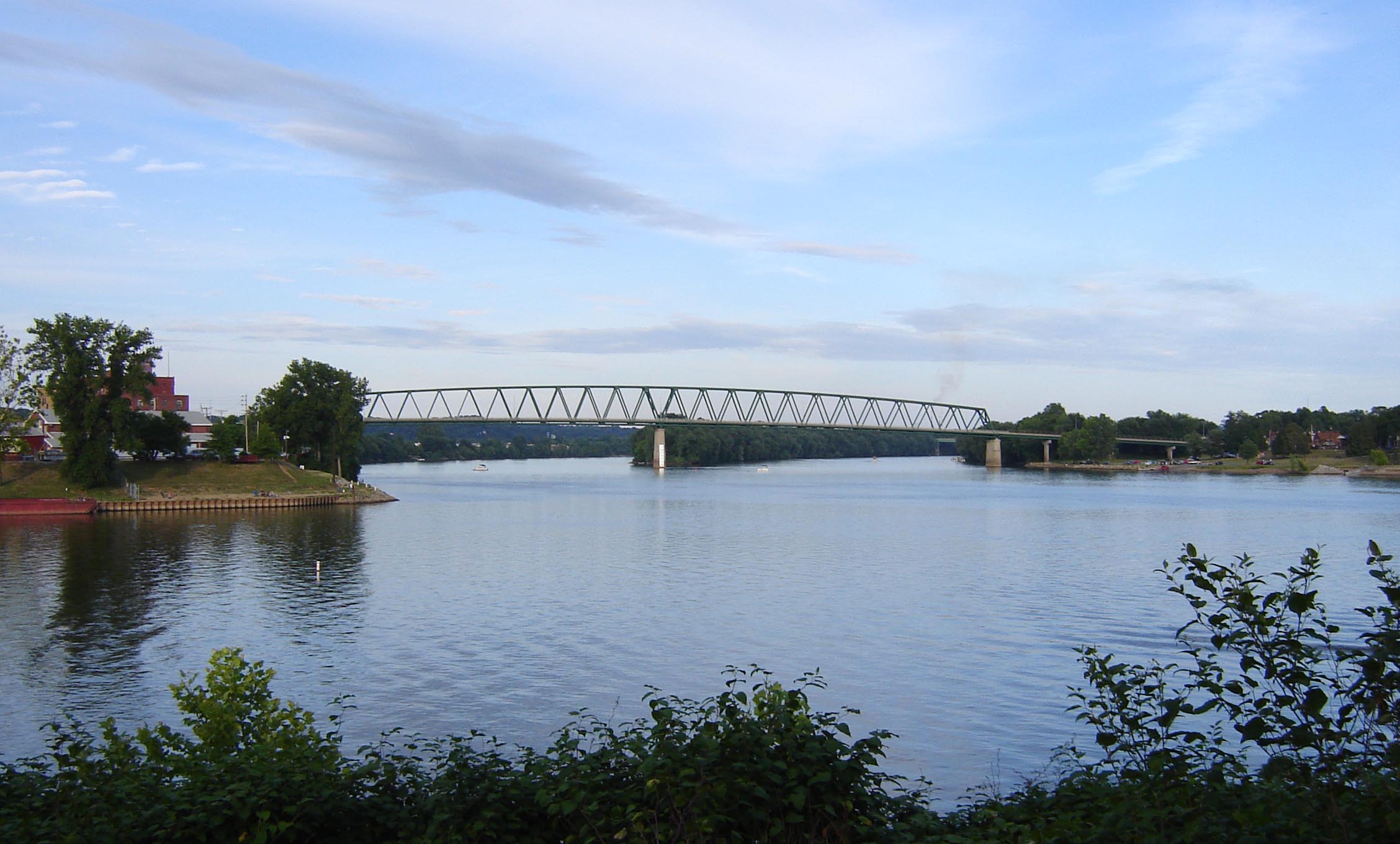
At the confluence of the Muskingum and Ohio Rivers sits Marietta, Ohio - the first permanent American settlement in the Northwest Territory, founded in 1788. The Ohio River Museum preserves the heritage of the waterway that made this settlement possible - the river highway that carried people, goods, and culture into the American interior. The museum's centerpiece is the W.P. Snyder Jr., the last surviving steam-powered stern-wheel towboat in America, floating in dry dock next to the museum. Inside, exhibits trace river transportation from flatboats and keelboats through the golden age of steamboats to modern barge traffic. The Ohio River built the Midwest; this museum explains how.
The River
The Ohio River flows 981 miles from Pittsburgh to Cairo, Illinois, where it joins the Mississippi. Before railroads, the Ohio was the primary highway into the American interior - flatboats carrying settlers downstream, steamboats carrying goods and passengers in both directions. Every major city along the river - Pittsburgh, Cincinnati, Louisville - grew because of river commerce. The river was also dangerous: snags, sandbars, ice, and floods killed boats and people regularly. Mastering the Ohio required skill, luck, and technology that evolved over decades. The river made fortunes and took lives; its story is America's story.
The Snyder
The W.P. Snyder Jr. is a steam-powered stern-wheel towboat built in 1918. She pushed coal barges on the Ohio and Monongahela Rivers for decades, powered by two steam engines driving a wooden paddle wheel. The Snyder represents the last generation of steam-powered river work - diesel engines replaced steam in the mid-20th century. When the Snyder was retired, she was preserved rather than scrapped, becoming the last surviving steam-powered stern-wheel towboat in America. She floats in dry dock beside the museum, her engines intact, her pilot house accessible. Standing on her deck connects visitors to generations of rivermen who worked boats like this.
The Museum
The Ohio River Museum covers river transportation from Native American canoes through modern towboats. Exhibits include steamboat models, navigation equipment, pilot house reconstructions, and the stories of people who lived and worked on the river. The golden age of steamboats - 1811 to the Civil War - receives particular attention: the races, the explosions, the romance and reality of steamboat travel. The museum also addresses floods, commerce, and the river's role in settling the Midwest. The campus includes the museum building, the Snyder, and a boatyard showing wooden boat construction techniques.
Marietta
Marietta claims to be the first organized American settlement in the Northwest Territory, founded by Revolutionary War veterans in 1788 under the Ohio Company of Associates. The town was named for Marie Antoinette (then still alive). Early Marietta was ambitious - the founders planned a major city. The town developed more modestly, becoming a shipping center for agricultural products and timber. The Ohio River Museum sits at the confluence that determined Marietta's location - where the Muskingum enters the Ohio, creating a natural harbor. The historic downtown preserves 19th-century architecture; Campus Martius Museum tells the settlement story.
Visiting the Ohio River Museum
The Ohio River Museum is located at 601 Second Street in Marietta, Ohio, at the confluence of the Muskingum and Ohio Rivers. The museum is open seasonally (typically April through October); check current hours. Admission includes museum exhibits and access to the W.P. Snyder Jr. The adjacent Campus Martius Museum covers Marietta's settlement history. Marietta's historic downtown is walkable. The Ohio River levee offers views of modern river traffic - towboats pushing barges past the same confluence the Snyder once worked. Marietta is accessible via I-77; Parkersburg, West Virginia, is across the river. Pittsburgh is 120 miles northeast. The nearest commercial airports are Columbus (120 miles west) and Pittsburgh.
From the Air
Located at 39.41°N, 81.45°W at the confluence of the Muskingum and Ohio Rivers in Marietta, Ohio. From altitude, the confluence is clearly visible - the smaller Muskingum entering the larger Ohio at a sharp angle. Marietta sits on the Ohio side; Williamstown, West Virginia, is across the river. The Ohio River Highway (river miles and locks) stretches upstream toward Pittsburgh and downstream toward Cincinnati. Modern barge traffic may be visible. The terrain is Ohio River valley - steep hillsides descending to the river, towns clustered on floodplains. Parkersburg is visible to the south. The river that shaped this landscape is visible as a curving silver line.