Oil Springs: The Place That Changed Everything
Before Titusville, Pennsylvania. Before Standard Oil. Before the internal combustion engine. There was Oil Springs, Ontario, where in 1858 James Miller Williams dug a well looking for water and found something that would reshape the world. That something was oil - thick, black, bubbling up through layers of rock that had trapped it for millions of years. Williams's well was the first commercial oil well in North America, predating Edwin Drake's famous Pennsylvania well by a year. But Americans write the textbooks, so Drake gets the credit and Oil Springs remains a quiet village in southwestern Ontario, still producing oil from some of the original wells, still waiting for the recognition it deserves.
The Discovery
Indigenous peoples had known about the oil seeps in Enniskillen Township for generations - the Chippewa skimmed oil from the surface of local creeks for medicinal and waterproofing purposes. European settlers noticed in the 1850s and began collecting the 'rock oil' for lamp fuel. James Miller Williams, a carriage maker from Hamilton, bought land in the area in 1857 and began digging. In August 1858, at a depth of about 14 feet, he struck oil - a continuous flow that could be collected, refined, and sold. It was the first oil well in North America to produce for commercial sale. Williams opened a refinery; the oil age had begun.
The Boom
Word spread. By 1862, Oil Springs had thousands of residents and over 1,600 wells. The Imperial Oil Company (now part of ExxonMobil) was founded here in 1880. Oil derricks covered the landscape; refineries processed the crude; fortunes were made and lost overnight. It was the original oil boom - the template for Spindletop, the Permian Basin, and every subsequent petroleum rush. But the Ontario oil was shallow and finite. Production peaked by the 1870s; the boom moved to Pennsylvania and then westward. Oil Springs shrank to a village, its derricks rusting, its moment of world-historical importance already fading into footnotes.
The Jerker Lines
Oil Springs is still producing oil - from some of the same wells that first struck oil in the 1860s. The technology is unchanged: wooden pump jacks connected by 'jerker lines' (rotating wooden rods) to central power sources. It's the oldest continuously operating oil field in the world, run now by independent operators who maintain a living museum of petroleum extraction. The wells produce only a few barrels a day each, but they still produce. Walking through the forest of pump jacks, watching the jerker lines rotate, is like visiting the engine room of modernity - this is where it started, and here it continues.
The Forgetting
Why does everyone know Drake's well and no one knows Williams's? Partly timing - Drake's 1859 well coincided with better media coverage. Partly nationalism - American history emphasizes American achievements. Partly location - Pennsylvania connected to major markets more easily. But mostly it's the nature of history: second place is forgotten, and Oil Springs was first by only a year. The village never recovered its boom-era prominence; it remains a quiet agricultural community with a fascinating museum and a claim to priority that most of the world ignores.
Visiting Oil Springs
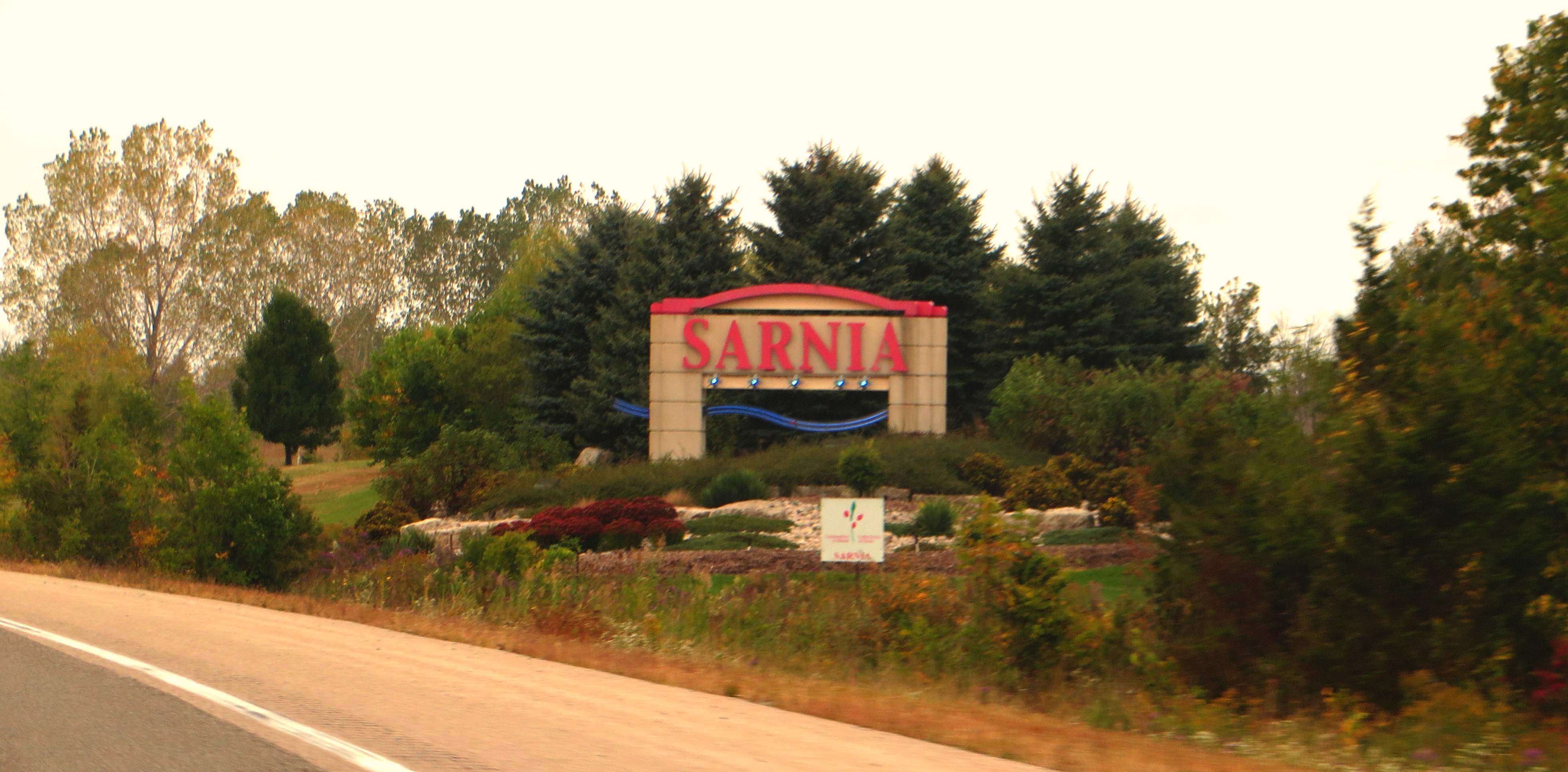
Oil Springs is located in Lambton County, Ontario, 30 kilometers southeast of Sarnia. The Oil Museum of Canada tells the story of the discovery and the boom; it's open seasonally, with working oil wells on the grounds. The jerker line system is visible in the surrounding area - look for the wooden rods rotating through the forest. Fairbank Oil, one of the original operators, offers tours of their historic wells. The town is small; services are limited - Petrolia and Sarnia have more options. Detroit is 100 kilometers southwest across the US border. The museum and wells are worth the detour for anyone interested in how the modern world got its energy - and who actually got there first.
From the Air
Located at 42.78°N, 82.11°W in southwestern Ontario. From altitude, Oil Springs appears as a small village amid farmland, but look carefully: the forest patches contain working oil wells, visible as clearing with pump jacks. The jerker line systems may be visible as linear cleared paths connecting wells to power sources. Sarnia and the chemical complex at the head of the St. Clair River are visible to the northwest. Lake Huron is visible beyond. The US border and Michigan are close by. The terrain is flat agricultural land, unremarkable except for the forest patches where the oldest continuously operating oil field in the world is still pumping - 165 years and counting.