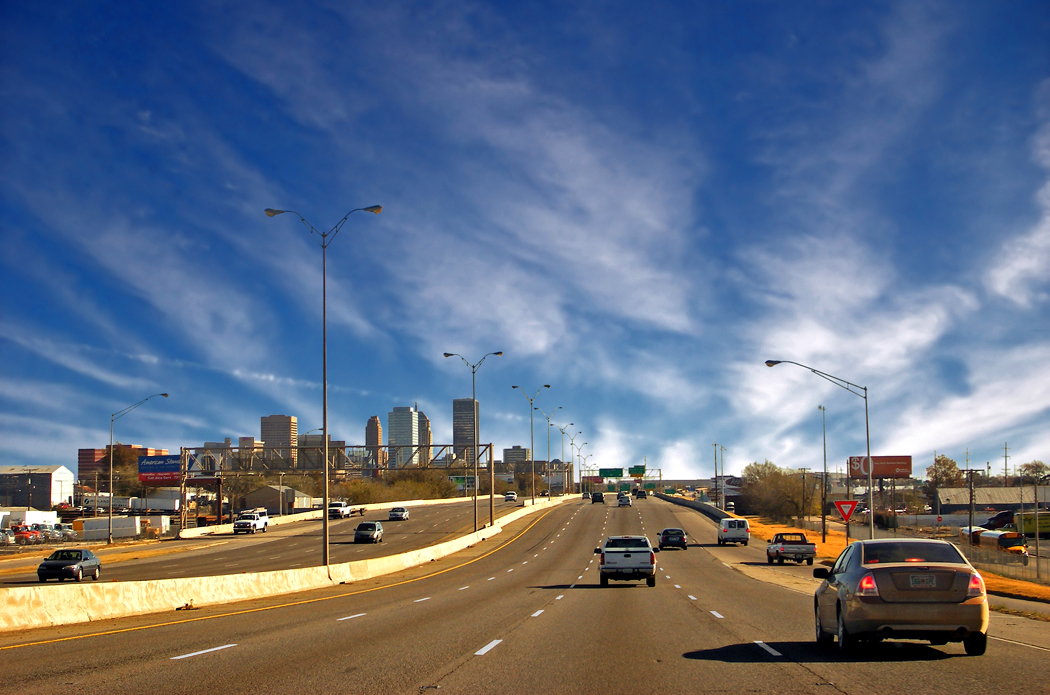
Oklahoma City: The City Born in a Day and Scarred by a Bombing
Oklahoma City was born on April 22, 1889 - the Land Run that allowed settlers to claim plots at noon, the 'Sooners' who cheated and the 'Boomers' who didn't, a city of 10,000 by nightfall. The instant city built on oil became a mid-century boomtown before the bust cycles revealed the fragility. The 1995 bombing of the Alfred P. Murrah Federal Building killed 168 people, including 19 children in the daycare center, and scarred the city permanently. Oklahoma City rebuilt - the memorial where the building stood, the Bricktown entertainment district, the Thunder basketball team lured from Seattle - becoming something more than tragedy and oil. The city of 680,000 remains a work in progress, still becoming whatever it will be.
The Land Run
At noon on April 22, 1889, 50,000 settlers lined the border of the Unassigned Lands. When the cannon fired, they raced to claim homesteads and town lots. By nightfall, Oklahoma City had 10,000 residents, a tent city where nothing had existed that morning. The 'Sooners' who entered early gave Oklahoma its nickname; the chaos gave Oklahoma City its origin story. The Land Run was possible because the federal government had relocated Native tribes to Indian Territory, then opened the land to white settlement. The city born from that dispossession still celebrates the Run while grappling with its meaning.
The Bombing
On April 19, 1995, Timothy McVeigh detonated a truck bomb outside the Alfred P. Murrah Federal Building, killing 168 people. The images - the building's sheared face, the firefighter carrying a dying infant - became the defining photographs of domestic terrorism. McVeigh was executed in 2001; the building was demolished; the Oklahoma City National Memorial and Museum now occupies the site. The 168 empty chairs, one for each victim, face the reflecting pool. The Survivor Tree, an elm that withstood the blast, still stands. The bombing was the worst act of domestic terrorism in American history until September 11, 2001; Oklahoma City carries it still.
The Oil
Oklahoma City sits atop the Oklahoma City Oil Field - wells drilled on the Capitol grounds, derricks visible from downtown, oil the source of fortunes and boom-bust cycles. The Petroleum Club atop the old Skirvin Hotel represented the industry's social hierarchy. The oil money built the Art Deco towers downtown, funded the university, created the wealth that still endows institutions. The industry declined; the boom returned with fracking; the cycle continues. Oklahoma City's economy has diversified - aviation, biotech, logistics - but oil remains the source of original wealth and ongoing volatility.
The Thunder
The Seattle SuperSonics became the Oklahoma City Thunder in 2008, a relocation that Seattle still resents. For Oklahoma City, the Thunder provided major league validation - proof that the city belonged among American metros, that the revival was real. The team reached the Finals in 2012, produced MVP Kevin Durant (who left for Golden State), and remains the city's most visible brand. The arena downtown anchors the entertainment district; game nights energize the city. The Thunder is what Oklahoma City wanted - a symbol that the city had arrived.
Visiting Oklahoma City
Oklahoma City is served by Will Rogers World Airport (OKC). The Oklahoma City National Memorial and Museum is essential and emotionally powerful. Bricktown offers the entertainment district - restaurants, bars, the ballpark. The National Cowboy & Western Heritage Museum covers frontier heritage. The Oklahoma City Museum of Art holds a Dale Chihuly collection. For food, the cattle heritage means steak; the Cattlemen's Steakhouse has operated since 1910. The weather is extreme - hot summers, cold winters, tornado season in spring. Oklahoma City is friendly, unpretentious, and worth more than a stopover.
From the Air
Located at 35.47°N, 97.52°W in the middle of Oklahoma, equidistant from the state's borders. From altitude, Oklahoma City appears as urban development on the prairie - the downtown towers visible, the North Canadian River threading through, the sprawl extending in flat terrain. The memorial site is not visible from altitude; its significance requires ground-level experience. What appears from altitude as a mid-sized Great Plains city is where a city was born in a day - where the bombing scarred but didn't break it, where oil built the wealth, and where the Thunder provides contemporary identity.