Old Slave Mart
Six Chalmers Street looks unremarkable at first -- a modest doorway on a narrow lane of cobblestones in Charleston's historic district. But step through that entrance and you cross a threshold into one of America's most painful chapters. This is the Old Slave Mart, constructed in 1859, the last known slave auction facility still standing in South Carolina. For roughly four years, enslaved men, women, and children were paraded through this building, examined like livestock, and sold to the highest bidder. Today it houses a museum that refuses to let that history fade into abstraction.
Behind Closed Doors
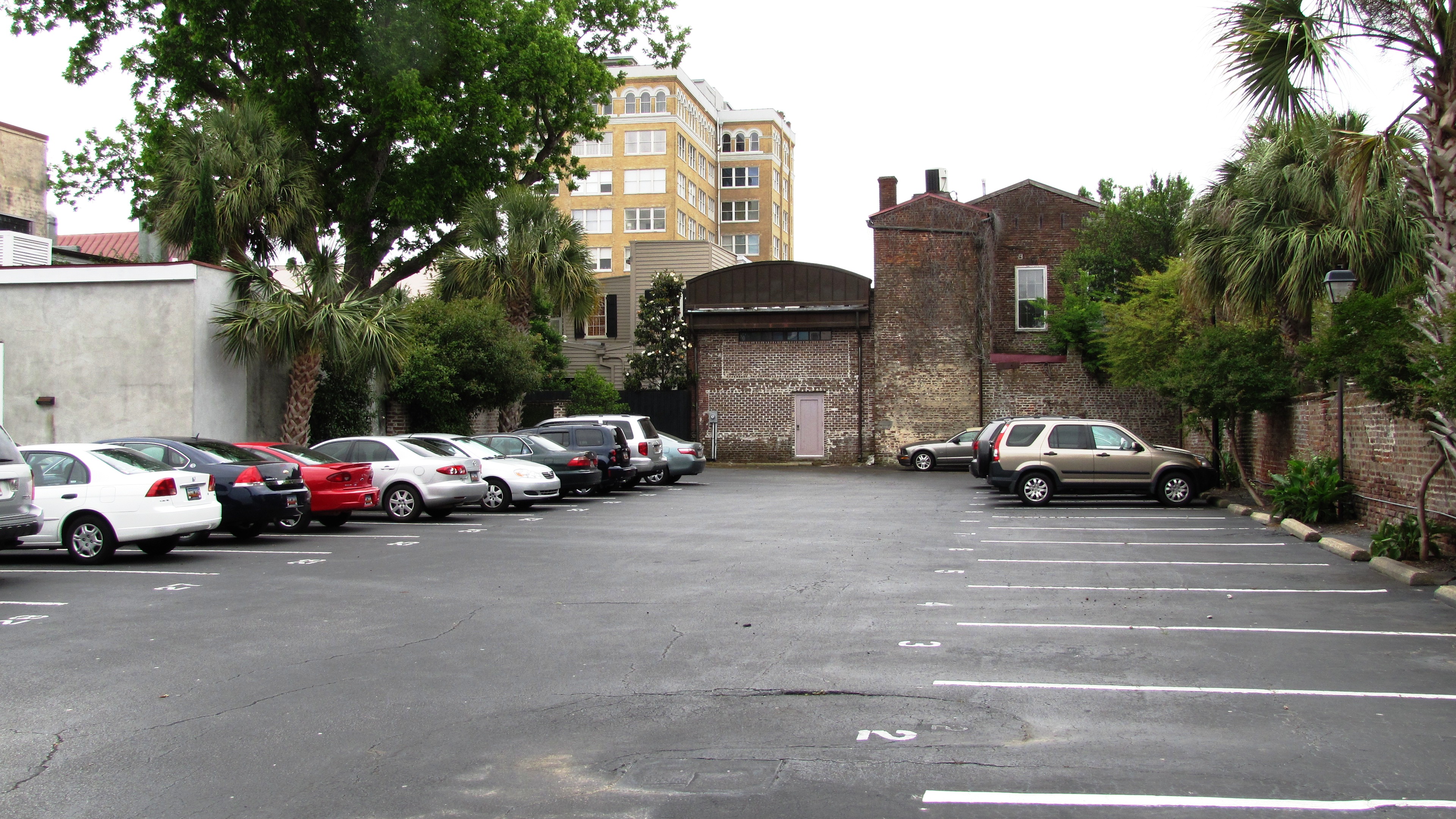
The Old Slave Mart exists because of a peculiar twist of civic politics. In 1856, Charleston's city council banned the public sale of enslaved people on the streets -- not out of moral objection, but because the spectacle of open-air auctions had become distasteful to some residents and visitors. City Councilman Thomas Ryan saw an opportunity. He established Ryan's Slave Mart, a private auction complex covering an enclosed lot between Chalmers and Queen Streets, moving the transactions behind walls and out of the public eye. The building that survives today was the auction gallery at its center. Slave sales continued here until approximately 1863, when the tides of the Civil War made such commerce untenable. In 1865, the Union Army occupied Charleston and shut Ryan's Mart down for good.
A Building Transformed
After the war, the building began a long, uncertain afterlife. In 1878, it was converted into a tenement dwelling, with a second floor added to the original structure. The space that had once echoed with an auctioneer's calls became a place where families cooked meals and children played. Decades passed. Then in 1938, the building reopened as a museum -- one of the earliest efforts anywhere in the South to preserve and interpret a site connected to the domestic slave trade. The museum operated intermittently through the mid-twentieth century, at times selling souvenirs alongside its historical exhibits. It closed in 1987 when funding ran out, and the building sat quiet once more.
Reclaiming the Story
The late 1990s brought a reckoning. The City of Charleston, working with the South Carolina African American Heritage Commission, undertook a careful restoration of the Old Slave Mart. The goal was not just to preserve the physical structure but to center the experience of the enslaved people who had passed through it. The museum that reopened in 2007 uses artifacts, documents, and oral histories to trace the full arc of Charleston's role in the domestic slave trade. In 2018, the College of Charleston purchased 47 boxes of documents from the museum's early years at auction for $5,400, adding primary sources that illuminate how the site has been remembered and interpreted across generations.
Charleston's Reckoning
Charleston was the largest slave-trading port in North America. Between 1670 and the late 1700s, the colony's economy ran on the forced labor behind its principal exports: rice, indigo, cotton, and tobacco. The Old Slave Mart sits within a few blocks of the Old Charleston Jail, the Charleston Workhouse, and the Exchange and Provost -- all sites entangled with the institution of slavery. Walking these streets, the density of history is inescapable. The 1975 listing on the National Register of Historic Places recognized the building's significance to African American history, but the deeper recognition -- that this small structure on Chalmers Street represents an entire system of human commodification -- continues to unfold with each visitor who steps through the door.
From the Air
Located at 32.7778°N, 79.9284°W in the heart of Charleston's historic district on the peninsula between the Ashley and Cooper Rivers. Best viewed at low altitude. The narrow colonial-era streets are not visible from high altitude, but the Charleston peninsula's distinctive shape is unmistakable. Nearest airport: Charleston AFB / International (KCHS), approximately 10 nm northwest. Charleston Executive Airport (KJZI) is about 8 nm to the northwest.