Operation Golden Pheasant
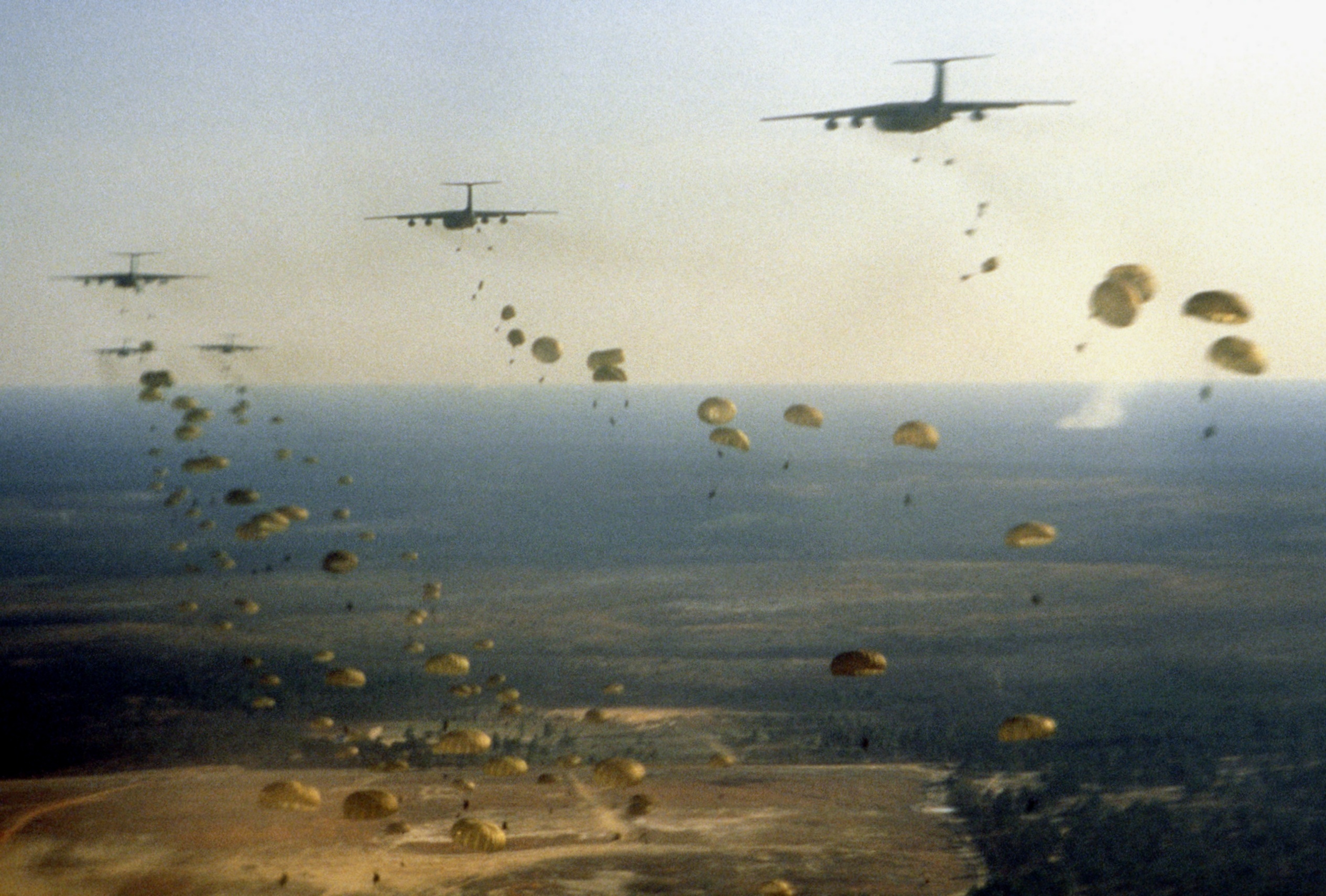
The phone call came with no warning. In early March 1988, paratroopers of the 82nd Airborne Division at Fort Bragg, North Carolina, received the order every airborne soldier trains for but few ever get: pack your chute, you're jumping into a live situation. Across the country at Fort Ord, California, soldiers of the 7th Infantry Division scrambled just as fast. Nicaragua's Sandinista government had sent troops across the Honduran border to attack Contra rebel supply caches, and President Ronald Reagan wanted American boots on the ground before the situation escalated further. What followed was Operation Golden Pheasant, a rapid-deployment exercise that became one of the Cold War's most dramatic displays of American power projection in Central America.
Across the Border
The trigger was Operation Danto 88. In early March, Nicaraguan Sandinista forces crossed into Honduran territory near San Andres de Bocay, driving toward Contra supply caches hidden in the remote border region. The Contras, Nicaraguan rebels backed by the United States, had been using Honduras as a logistical rear area for years, and the Sandinistas had grown tired of the arrangement. Their cross-border incursion forced Washington's hand. The United States had treaty obligations and strategic interests at stake, and the Reagan administration decided that a show of force was the fastest way to defuse the crisis. Elements of the 7th Infantry Division's Quick Reaction Force launched on a no-notice deployment, landing at Palmerola Air Base, the U.S. military's foothold in Honduras now known as Soto Cano Air Base. Special operations units and Joint Task Force Bravo aviation assets, already stationed at Palmerola, were the first Americans in position.
Paratroopers Over Palmerola
On March 17, the 82nd Airborne arrived in force. The 1st Battalion, 504th Parachute Infantry Regiment landed by aircraft, while the 2nd Battalion jumped onto the Palmerola airfield in a combat parachute operation. The jump produced only one casualty: the executive officer broke his leg on landing. Soldiers of the 27th Infantry Regiment, known as the Wolfhounds, rappelled in the same day and were moved quickly toward the Nicaraguan border. The deployment scattered American units across Honduras in paired training exercises with Honduran battalions. The 2nd Battalion of the 27th Infantry trained with the Honduran 11th Infantry at San Lorenzo; the 3rd Battalion of the 27th linked up with the Honduran 9th at Jamastran. Airborne units paired with Honduran paratroopers in Tamara and infantry in Juticalpa. The message to Managua was unmistakable: these were combat-ready forces deployed across the entire border region.
The War That Wasn't
Despite the combat footing, the paratroopers and infantrymen had strict orders to avoid the fighting on the border. They trained, they patrolled, and they waited. The deployment had evolved into something between a live-fire exercise and a geopolitical chess move. Roughly 3,200 American soldiers from the Army, Marines, and Air Force were now in Honduras, alongside an engineer task force of about 1,100 troops from the 20th Engineer Brigade that had already been in-country for a road-building exercise called Ahuas Tara 88. Had the orders changed, the troops were prepared to fight. But the Sandinistas read the situation clearly. Faced with the rapid arrival of elite American airborne and light infantry units, they began withdrawing back across their own border before any engagement occurred. Within days, the Sandinista government negotiated a truce with Contra leaders.
Home Before Spring
By the end of March 1988, it was over. The 7th Infantry Division returned to Fort Ord, the 82nd Airborne flew back to Fort Bragg, and the engineers stayed behind to finish their roads and bridges. No American soldier fired a shot in combat during Operation Golden Pheasant. The operation demonstrated what military planners call rapid power projection: the ability to move thousands of combat troops across an ocean and into a contested area in days rather than weeks. For the paratroopers of the 504th who jumped onto Palmerola, it was the kind of deployment that earns a campaign credit but no combat stories. For the Cold War's long twilight struggle in Central America, it was a turning point of sorts, a moment when the mere presence of American military might achieved what years of proxy conflict had not: a ceasefire, however fragile, along the Honduran-Nicaraguan border.
From the Air
Located at 14.39N, 87.62W in the Comayagua Valley of central Honduras. The operation centered on Palmerola Air Base (now Soto Cano Air Base, ICAO: MHSC), visible as a large military airfield with a long runway south of the city of Comayagua. The surrounding terrain is a flat valley ringed by mountains, with the Nicaraguan border approximately 100 miles to the east. Best viewed from 5,000-8,000 feet AGL. Nearest civilian airport: Toncontin International (MHTG) in Tegucigalpa, roughly 50 miles southeast.