Operation Musketoon
The equipment list alone tells you this was a one-way mission in everything but hope. Each man carried a silk map of Norway and Sweden, a paper map of Russia, Norwegian kroner banknotes, two compasses sewn into his collar tabs, a hacksaw blade, a fighting knife, and a Colt M1911 pistol. Captain Joseph Houghton carried the only suppressed Sten gun. There was no extraction plan. The original pickup by flying boat had been cancelled before departure as too risky. If the twelve men of Operation Musketoon succeeded in destroying the Glomfjord power plant, they would have to walk to Sweden.
Churchill's Hunter Class
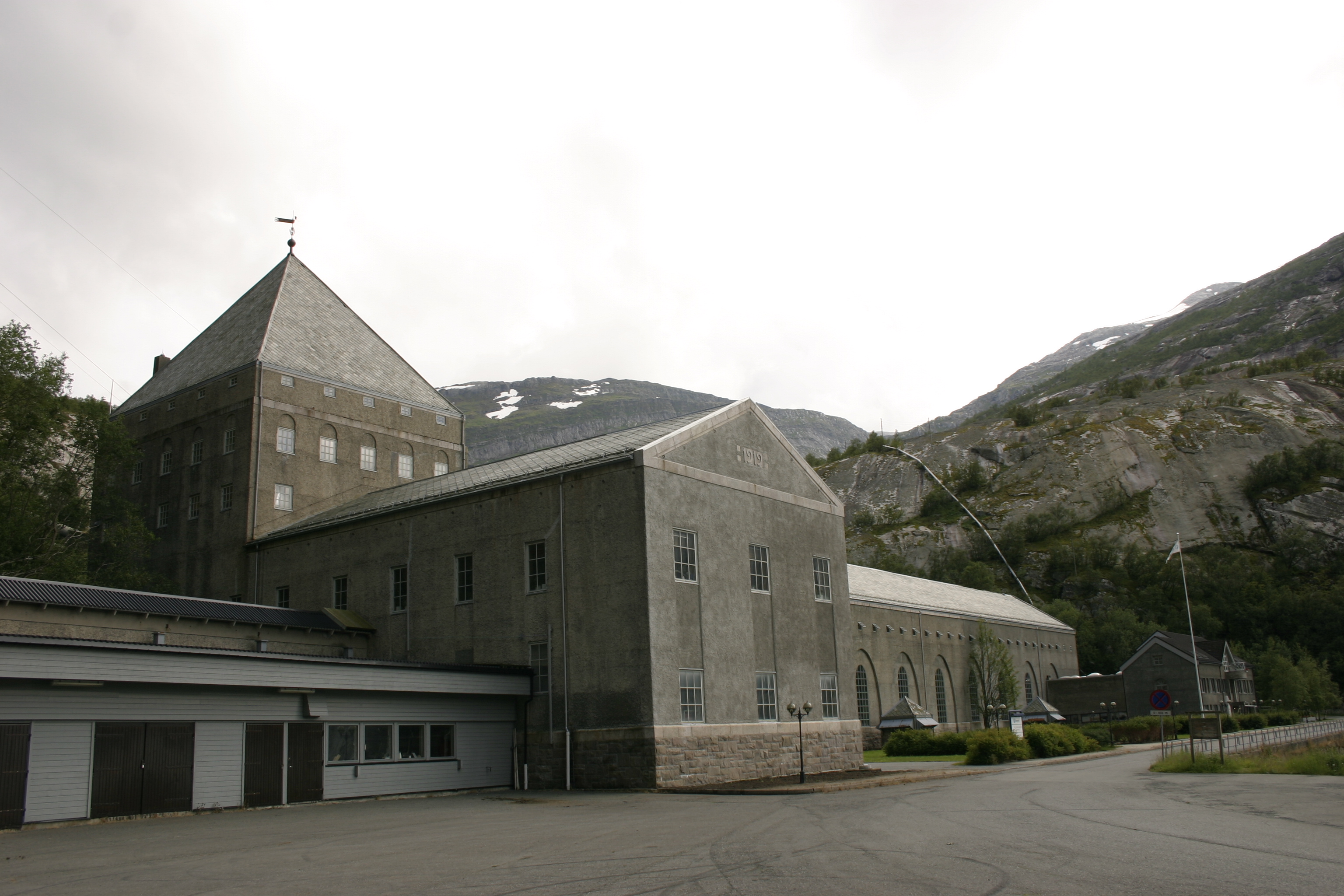
Operation Musketoon grew from Winston Churchill's demand, issued after the Dunkirk evacuation in 1940, for "specially trained troops of the hunter class who can develop a reign of terror down the enemy coast." The unit selected was No. 2 Commando, which had already bloodied itself at the Vaagso Raid in December 1941 and the St Nazaire Raid in March 1942. The target was the Glomfjord hydroelectric plant, built in 1918 on a plateau dropping straight to the sea at the end of Glomfjord, south of Narvik. The plant supplied power to a German-operated aluminium factory and to local villages. Two officers and eight men from No. 2 Commando were joined by two Norwegian corporals from Norwegian Independent Company 1, part of the Special Operations Executive: Erling Djupdraet and Sverre Granlund. The raid was commanded by Captain Graeme Black, a Canadian from Dresden, Ontario.
Across the North Sea in a French Submarine
The team crossed the North Sea aboard a Free French Navy submarine commanded by Commander Querville. The vessel was chosen because its silhouette resembled a German U-boat, an advantage if spotted on the surface. Departing the Orkney Islands at 11:40 on September 11, 1942, the submarine settled on the fjord bottom during daylight and surfaced at 21:15 to put the commandos ashore by dinghy. They hid the boat under stones and moss, then set out across the mountains toward the Svartisen glacier and the power station beyond. What they did not know was that a German topographical party had spotted unidentified figures above the fjord. Leutnant Wilhelm Dehne even found discarded Player's cigarette packs at an abandoned campsite. By luck, his route back to Glomfjord took him away from the commandos' new position overlooking the plant.
Ten Minutes of Plastic Explosive
On the night of the raid, nine commandos approached the rear of the power plant while two stood guard. Inside, they found only a Norwegian engineer on duty; the Germans had left the control room. The Norwegian workers were gathered and directed to evacuate through an access tunnel, the sole land route between the station and the surrounding villages. Norwegian corporal Granlund killed one German guard at the tunnel entrance; another escaped down the passage to raise the alarm. The commandos dropped smoke bombs into the tunnel to slow reinforcements, then set plastic explosives with ten-minute delay fuses on both turbines and generators. The blasts wrecked the machinery. The Glomfjord power plant was shut down for the remainder of the war.
Two Fates
Fleeing the explosion, the twelve commandos split into two groups. Four men - including Lance Sergeant Richard O'Brien, Private Fred Trigg, and Private John Fairclough - reached neutral Sweden and were eventually repatriated to Britain. O'Brien received the Distinguished Conduct Medal; Trigg and Fairclough received Military Medals. The other group of seven, including Captain Black and Captain Houghton, was captured. One man died of wounds. The remaining seven were taken to SS headquarters in Berlin, where Gruppenführer Heinrich Müller interrogated them individually. On October 22, they were transferred to Sachsenhausen concentration camp. The next morning, October 23, 1942, they were shot in the back of the neck and their bodies cremated. They were the first commandos executed under Hitler's Commando Order, issued just five days earlier on October 18, which mandated the killing of all captured commandos. The German Red Cross was told the men had escaped and never been recaptured.
The Names That Remain
After the war, Captain Black was posthumously awarded the Distinguished Service Order and Captain Houghton the Military Cross, both backdated to November 1942. The seven executed men are commemorated on a memorial plaque at Sachsenhausen and at the Brookwood Memorial in England, which honors Commonwealth soldiers with no known grave. Sverre Granlund, who had killed the German guard at the tunnel, did not survive to see the memorial. He was killed in February 1943 during Operation Seagull when a Norwegian submarine sank off the Norwegian coast. The German commander in Norway, Generaloberst Nikolaus von Falkenhorst, was found guilty after the war on all eight charges related to carrying out the Commando Order and sentenced to death, later commuted to life imprisonment. He was released in 1953.
From the Air
Located at 66.80°N, 14.00°E at the Glomfjord power plant site at the head of Glomfjord in Meløy Municipality, Nordland county, Norway. The power station sits on a plateau dropping to the fjord below, with the Svartisen glacier visible to the east. Best viewed at 3,000-5,000 feet to see the relationship between fjord, plant, and glacier. Nearest airport: Mo i Rana Airport, Røssvoll (ENRA) approximately 50 km southeast. The narrow fjord and surrounding mountains create challenging flying conditions with possible turbulence and restricted visibility.