Orcas Island
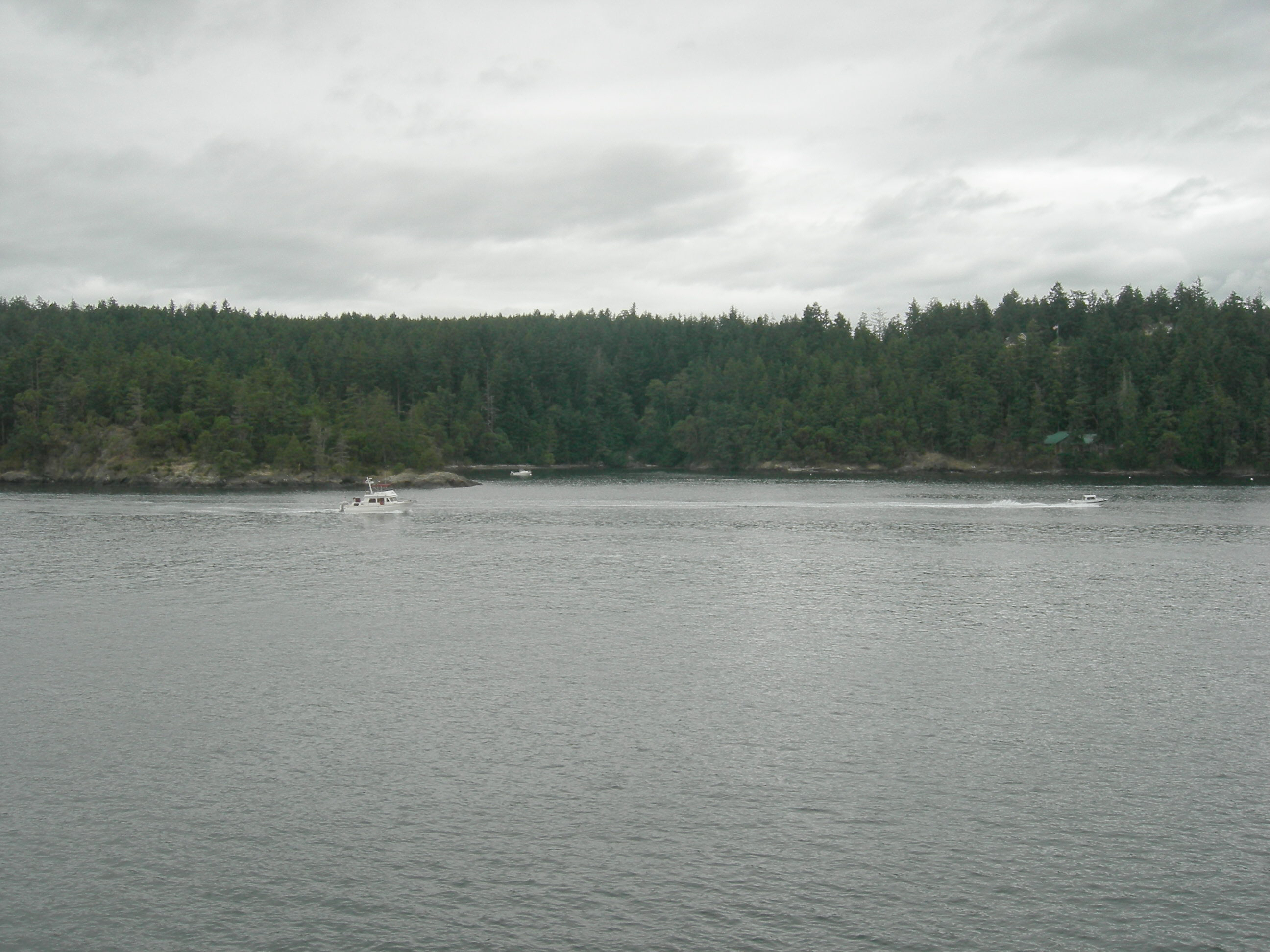
The ferry rounds the point and suddenly Orcas Island fills the horizon - a horseshoe of forested ridges embracing sheltered harbors, Mount Constitution rising at its heart. This is the largest of the San Juan Islands, 57 square miles of galleries and farms, resort lodges and hidden coves, all reached by a ferry system whose schedules dictate the rhythm of island life. About 5,000 people call Orcas home year-round, but in summer the population swells with visitors who come for the kayaking, the art galleries, the slow pace, and waters where the island's namesake orcas hunt salmon in the tidal currents.
A Viceroy's Name
Despite what visitors often assume, Orcas Island was not named for the orca whales that hunt its surrounding waters. The name is a shortened form of Horcasitas, honoring Juan Vicente de Güemes Padilla Horcasitas y Aguayo, the Viceroy of Mexico who sent the 1791 expedition that first mapped these islands.
Long before Spanish charts gave the island its name, the Lummi people used these waters as summer fishing grounds, harvesting the abundant shellfish that still thrive in the cold, clean waters. European and American settlers arrived in the mid-1800s, followed by Canadians - the international border between British and American territory remained disputed until the Pig War of 1859 nearly triggered armed conflict over the shooting of a British pig on nearby San Juan Island. The islands remained under joint military occupation until 1872, when an international tribunal awarded them to the United States.
Mount Constitution
At 2,409 feet, Mount Constitution is the highest point in the San Juan Islands, its summit crowned by a stone observation tower built by the Civilian Conservation Corps in the 1930s. On clear days, the view from the tower stretches from Mount Baker's glacier-clad summit to the Olympic Mountains, from Vancouver's skyline to the distant volcanoes of the Cascades. The maze of islands and channels below looks like shattered pottery, green fragments scattered across blue water.
Moran State Park, which encompasses the mountain, covers over 5,000 acres of lakes, forests, and trails. The park exists thanks to Robert Moran, a shipbuilder who retired to the island in 1906 after doctors gave him months to live. He built a mansion at Rosario (now a resort) and donated much of his land for public use. He lived another thirty-seven years, dying at 86, perhaps healed by the island's peace.
The Ferry Rhythm
Life on Orcas Island moves to the ferry schedule. Washington State Ferries runs the only practical route for bringing cars to the island, departing from Anacortes on the mainland and threading through the archipelago. Miss the last ferry and you're spending an unplanned night - during summer weekends, the wait for vehicles can stretch for hours, and reservations are essential.
Walk-on passengers have it easier - no reservations needed, shorter waits, and the freedom to explore by bicycle or on foot. The ferry makes stops at Lopez Island, Shaw Island, and San Juan Island before reaching Orcas, turning even a simple crossing into a small voyage through one of the most beautiful waterways in North America. Seaplanes offer an alternative for those in a hurry, splashing down in Eastsound's harbor with views of the islands spread below.
Two Villages
Orcas Island has two centers of gravity. Eastsound, the largest community, clusters at the head of East Sound, the body of water that nearly bisects the island. Its two main streets hold most of the island's restaurants, art galleries, and the grocery store that serves as informal community center. The pace here is unhurried - people know each other, stop to talk, share island news.
Orcas Village, at the ferry landing, is smaller and more utilitarian - the first and last stop for visitors, with a general store and the landing's infrastructure. The rest of the island is scattered farmsteads, vacation homes tucked into forest, and resort lodges offering everything from rustic cabins to the grand Rosario Resort, Robert Moran's mansion transformed into a waterfront retreat listed on the National Register of Historic Places.
Paddling with Giants
The waters surrounding Orcas Island are prime habitat for the orca whales that hunt salmon in these nutrient-rich channels. Sea kayaking puts you at eye level with the water, paddling through the same territory where pods hunt and play. Local outfitters offer guided tours led by marine biologists who know where to find the whales and how to observe them respectfully.
Even when orcas prove elusive, the waters teem with life. Harbor seals haul out on rocky islets. Bald eagles wheel overhead. Sea stars in improbable colors cling to exposed rocks at low tide. Multi-day camping trips reach the smaller islands scattered through the archipelago, places with no ferry service and few visitors, where the silence is broken only by wind and water and the occasional exhale of a surfacing whale.
From the Air
Located at 48.65N, 122.89W in Washington's San Juan Islands archipelago. The island's distinctive horseshoe shape is clearly visible from altitude, with East Sound nearly dividing it in two. Mount Constitution (2,409 ft) rises from the eastern lobe with an observation tower at the summit. Orcas Island Airport (ORS) has a paved runway on the island's northeastern tip. The ferry landing at Orcas Village is visible on the southern shore. Look for the constellation of smaller islands surrounding Orcas - Lopez to the south, San Juan Island to the southwest, and numerous smaller islands throughout. Anacortes on the mainland lies about 15 miles southeast. Nearest major airports: Bellingham International (KBLI) 20 miles northeast; Seattle-Tacoma (KSEA) 90 miles south. Marine weather common; fog possible especially in morning.