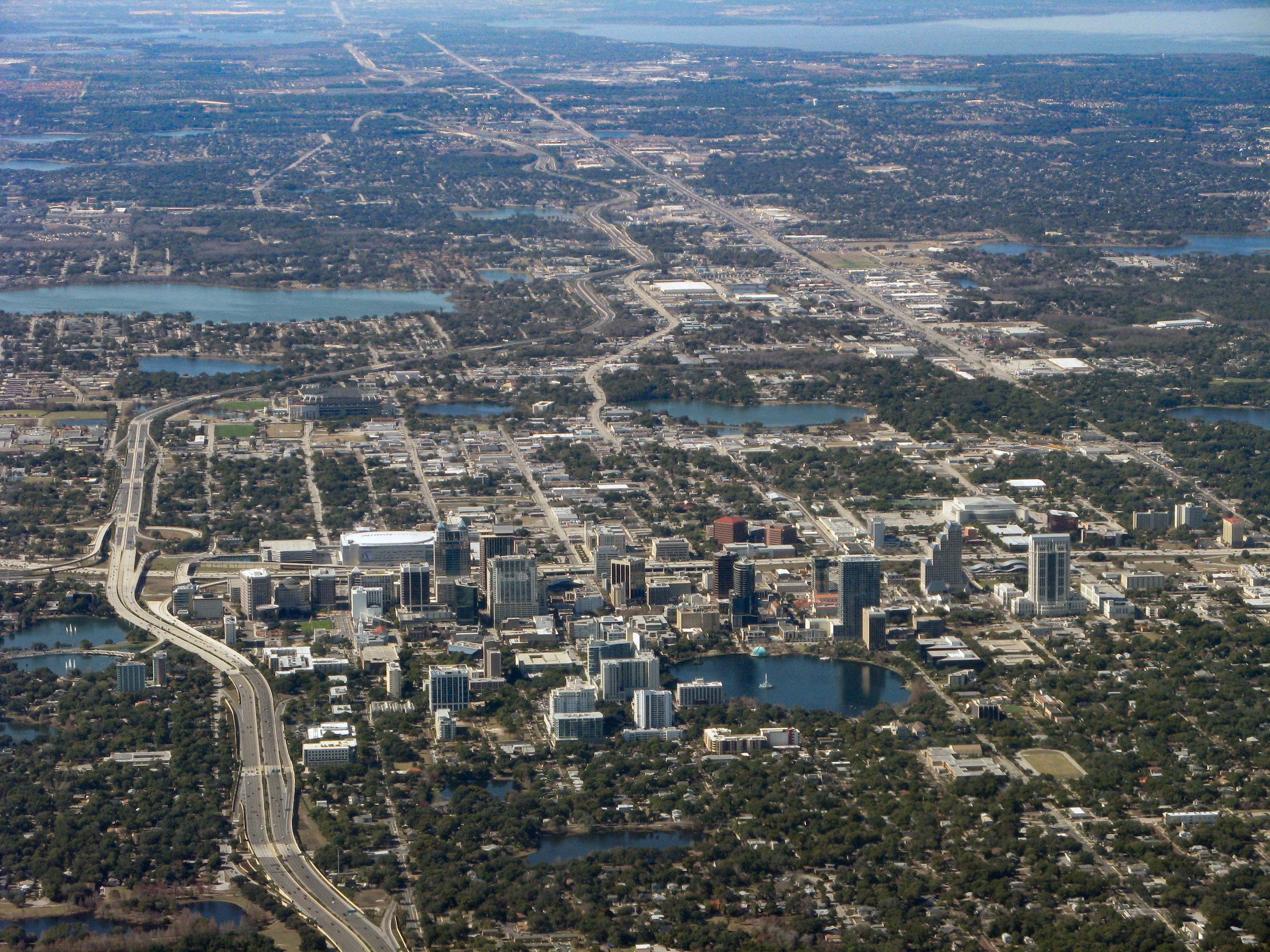
Orlando: The City Walt Disney Bought in Secret
Walt Disney knew that if anyone learned he was buying land in central Florida, prices would skyrocket. So he created shell companies with names like 'Latin-American Development and Management Corporation' and 'M.T. Lott Real Estate Investments' (M.T. Lott = Empty Lot) to acquire 27,000 acres - twice the size of Manhattan - without anyone knowing who was behind it. The Orlando Sentinel finally broke the story in October 1965; by then, Disney owned enough land to create his own government. The Reedy Creek Improvement District gave Disney quasi-governmental powers; the theme parks that followed transformed Orlando from agricultural obscurity into America's most-visited tourist destination. The city Disney created exists in opposition to the city it overwhelmed.
The Purchase
Walt Disney's secret land acquisition was corporate espionage in reverse - a company hiding itself to buy cheap. The dummy corporations paid $180 per acre for land that would soon be worth thousands; the total investment was about $5 million for 27,000 acres. Disney chose central Florida for weather, access (the Interstate Highway System was expanding), and available land. The Orange County that existed before Disney was citrus groves and cattle ranches; the county that emerged after was construction sites and hotel zones. Disney's secret was kept until it didn't matter - by the time the name leaked, the land was purchased, and Orlando's transformation was inevitable.
Reedy Creek
The Florida legislature granted Disney unprecedented powers through the Reedy Creek Improvement District - essentially allowing the company to govern itself. Within Reedy Creek, Disney controls zoning, building codes, utilities, and emergency services; the company is effectively its own county government. The arrangement was sold as necessary for Disney's vision; critics argue it created an unaccountable corporate fiefdom. The arrangement became politically controversial in 2022 when Florida's governor moved to dissolve the district over Disney's opposition to state legislation - a battle between corporate power and political power that remains unresolved.
The Theme Parks
Walt Disney World opened in 1971 and never stopped expanding - Magic Kingdom, EPCOT, Hollywood Studios, Animal Kingdom, two water parks, Disney Springs, 25+ resort hotels. Universal Studios arrived in 1990, adding another layer; SeaWorld and dozens of smaller attractions filled the gaps. The result is a tourism economy that dominates Orlando: 75 million visitors annually, 75,000 employees at Disney alone, hospitality and entertainment as the central organizing principle. The parks themselves are carefully controlled experiences - what Disney calls 'imagineering' is really crowd management elevated to art. The magic is manufactured; the experience is still remarkable.
The Real Orlando
Orlando beyond the parks is a genuine city of 2.5 million, with neighborhoods, culture, and economic activity unrelated to tourism. The downtown has experienced revival; the Mills 50 neighborhood offers Vietnamese restaurants and local businesses; the University of Central Florida is among America's largest. The Pulse nightclub shooting in 2016 - 49 dead at a gay club - traumatized a community that existed independent of tourist Florida. Real Orlando wrestles with affordable housing (tourism wages don't support tourism-area rents), traffic (tourists clog roads designed for fewer people), and identity (being defined by an industry that arrived 55 years ago).
Visiting Orlando
Orlando is served by Orlando International Airport. The theme parks require separate planning: Walt Disney World is a multi-day commitment; Universal Studios and Islands of Adventure can fill two days; SeaWorld is a full day. The International Drive corridor offers attractions, restaurants, and hotels at various price points. Downtown Orlando and Winter Park provide non-theme-park alternatives - craft breweries, independent restaurants, cultural attractions. The Kennedy Space Center is an hour east. The parks are expensive (tickets, parking, food all cost more than expected); planning ahead and setting expectations helps. The experience can be whatever you make it - family fantasy, thrill rides, or an excuse to visit the real Florida that exists beyond the gates.
From the Air
Located at 28.54°N, 81.38°W in central Florida, 50 miles from both Atlantic and Gulf coasts. From altitude, Orlando's theme park landscape is unmistakable - Walt Disney World's 25,000 acres visible as an enormous developed zone to the southwest, Universal's properties to the north, the hotel corridors extending along I-4 and International Drive. The lakes that dot central Florida are visible throughout; the urban sprawl extends in all directions. What appears from altitude as Florida's most developed interior region is the result of one man's secret land purchase - where Disney transformed agricultural obscurity into America's most-visited tourist destination, creating an economy and a controversy that continues.