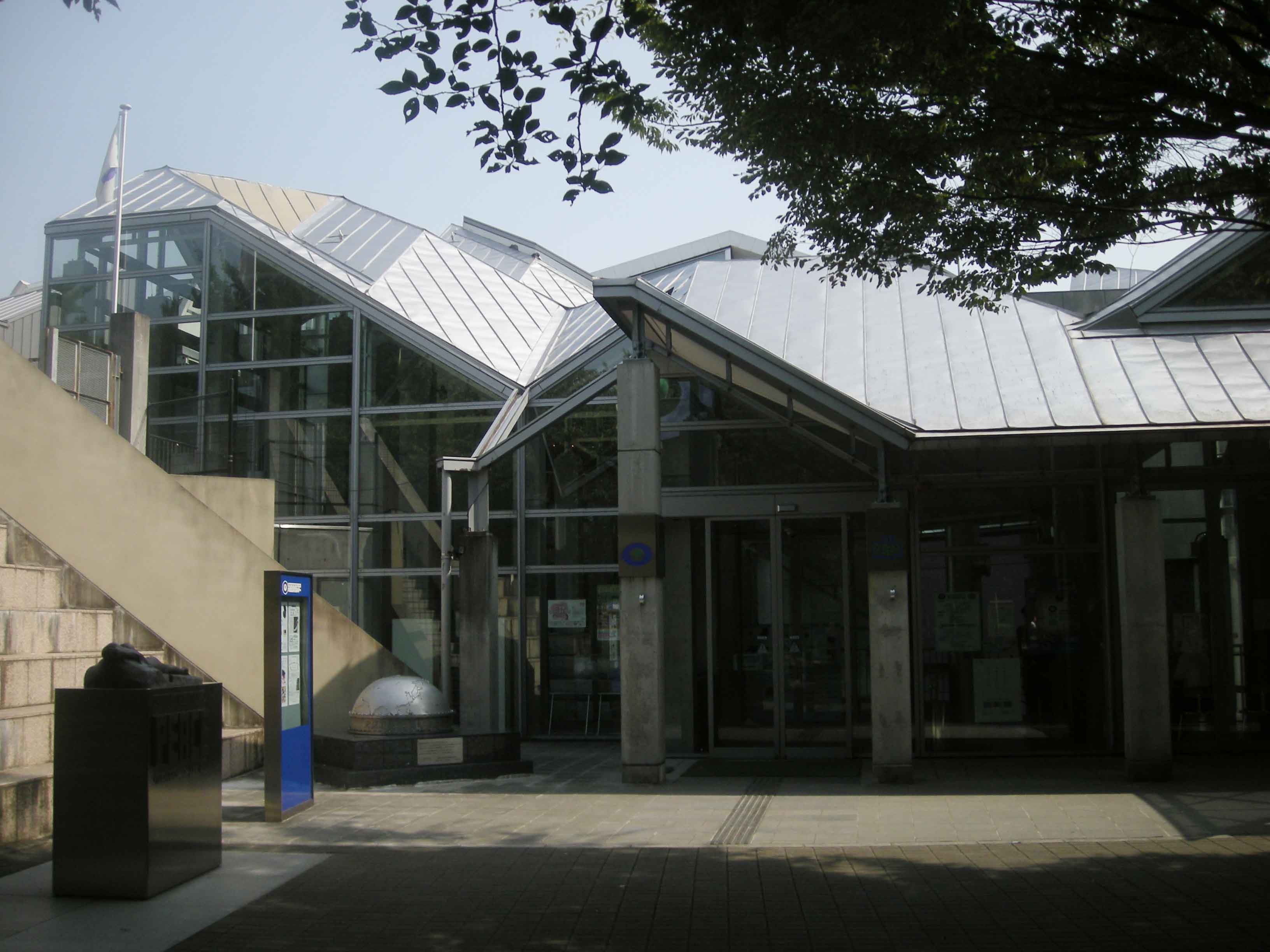
Osaka International Peace Center
In 2015, the Osaka International Peace Center became a different museum. Not because it moved, or burned, or was rebuilt -- but because its exhibits were gutted and replaced. For nearly a quarter century, Peace Osaka had been rare among Japanese institutions: a museum willing to display both the suffering inflicted upon Osaka by American firebombing and the atrocities committed by Imperial Japan across Asia. Then, under pressure from conservative politicians, the panels documenting Japanese aggression were removed. The building at 2-1 Osakajo still stands in the shadow of Osaka Castle, still calls itself a peace museum. But what peace means inside those walls depends on which decade you visited.
A City Reduced to Ashes
The museum exists because of what happened on the night of March 13, 1945. Beginning just before midnight, 274 B-29 bombers attacked Osaka in three waves -- from Guam, Tinian, and Saipan -- dropping incendiary bombs from an altitude of roughly 2,000 meters. The first targets were in Minato ward, where fires quickly became a firestorm. By the time the last bombers departed at 3:25 a.m., nearly 4,000 people were dead, another 678 were missing, and 8.1 square miles of the city had been destroyed. That was only the first major raid. Bombing continued through June, July, and into August 14, 1945 -- the last day of the war. Over the full campaign, more than 10,000 Osaka civilians lost their lives.
The Museum That Looked Both Ways
When Peace Osaka opened in August 1991, it was founded by human rights organizations, veterans' families, and groups devoted to peace and women's issues. Its three original exhibition rooms attempted something unusual. Room A, on the second floor, documented the bombing of Osaka and daily life during the Pacific War -- neighborhood associations, school mobilization, nationalistic textbooks. Room B, on the first floor, confronted Japan's own military actions: the Greater East Asia Co-Prosperity Sphere, the Imperial Army's role in the Second Sino-Japanese War, and the annexation of Korea. Room C, on the third floor, looked forward, arguing that nuclear weapons, poverty, and environmental degradation all threatened peace. A replica of the Doomsday Clock underscored the point. The museum's willingness to present Japan as both victim and aggressor made it almost unique in the country.
Politics of Memory
The backlash began almost immediately. Conservative groups called the exhibits 'masochistic.' In 2000, the museum hosted a symposium by a historical revisionist group, prompting China to warn that the event could hurt Osaka's bid for the 2008 Summer Olympics. Osaka was the first city eliminated from that bidding process. By 2013, plans emerged to shift the museum's emphasis toward the bombing of Osaka while scaling back exhibits on Japanese war crimes. The decisive change came in 2015, when members of the Japan Innovation Party pressured the museum to overhaul its displays. The section on American air raids was expanded. Exhibits documenting Japan's actions in Asia were removed entirely. The museum was reorganized into six zones focused on Osaka's wartime experience and postwar recovery, with no acknowledgment of the broader context that had once made Peace Osaka so distinctive.
What Remains to See
Today, Peace Osaka occupies a building near Osaka Castle in Chuo ward, funded by both the city and Osaka Prefecture. Zone A shows what Osaka looked like in 1945 compared to the present day. Zone B explains Japan's entry into war with the United States. Zone C recreates daily life during wartime. Zone D documents the city's destruction. Zone E covers postwar recovery, and Zone F asks what individuals can do to maintain peace. The museum is open daily except Mondays, closing at 5:00 p.m. It remains a place worth visiting -- the artifacts from the bombing are genuine, the personal stories devastating. But visitors who knew the original exhibits describe something lost: a museum that once dared to ask uncomfortable questions about its own country's history, and no longer does.
From the Air
Located at 34.682N, 135.530E adjacent to Osaka Castle Park in Chuo ward. The museum building is near the distinctive star-shaped moat of Osaka Castle, which serves as an excellent visual reference from the air. Best viewed at 2,000-4,000 feet to see the castle complex and surrounding urban context. Nearest airports: Osaka Itami (RJOO, 13 km northwest) and Kansai International (RJBB, 42 km southwest in Osaka Bay).