Overseas Railroad
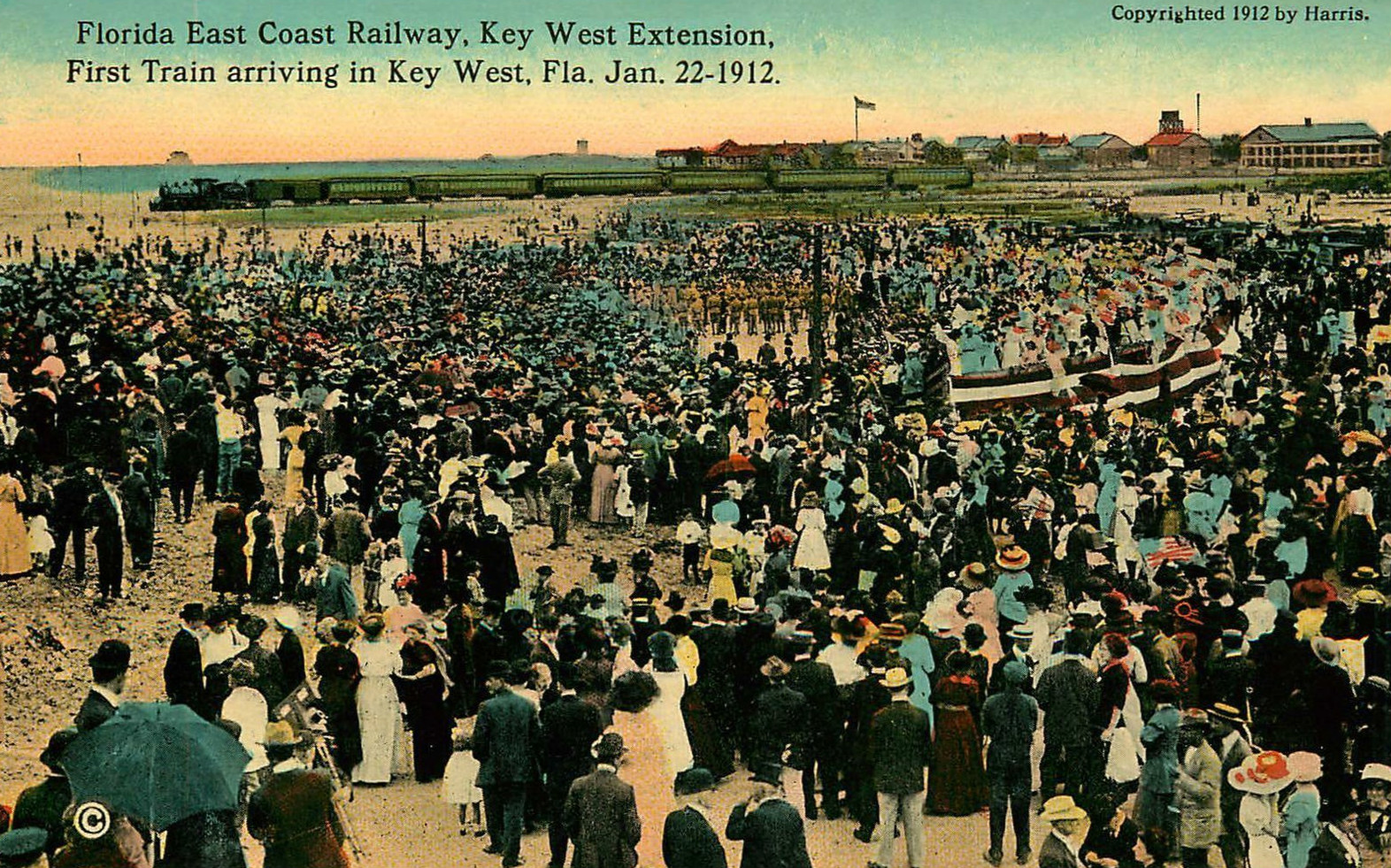
They called it Flagler's Folly. When Henry Flagler announced in 1905 that he would extend his Florida East Coast Railway across 128 miles of open ocean, mangrove islands, and hurricane-prone channels to reach Key West, skeptics had every reason to laugh. The 75-year-old Standard Oil co-founder was proposing to do what no engineer had attempted: thread a single-track railroad through the scattered coral islands of the Florida Keys, bridging gaps of open water where the Atlantic met the Gulf of Mexico. Seven years, $50 million, and three hurricanes later, Flagler rode his private railcar into Key West on January 22, 1912, completing what newspapers called the Eighth Wonder of the World.
An Oil Baron's Tropical Obsession
Henry Flagler made his fortune alongside John D. Rockefeller at Standard Oil, but it was Florida that captured his imagination. After bringing his ailing first wife south in the late 1870s, Flagler returned in 1881 and began building a chain of resort hotels and railroads down the Atlantic coast. St. Augustine, Ormond Beach, Daytona Beach, Palm Beach, and finally Miami all felt the transformative force of his ambition and his money. By 1904, his Florida East Coast Railway had reached Homestead, south of Miami. But Flagler was not finished. The announcement that the United States would build the Panama Canal changed everything. Key West sat closer to the Canal than any other deep-water port in America, perfectly positioned for trade with Cuba, Latin America, and soon the entire Pacific coast. The railroad, Flagler decided, would go to sea.
Building Across Open Water
Engineer William J. Krome surveyed two possible routes. The first ran southwest through the Everglades to Cape Sable, then leaped across open water to Big Pine Key. The second followed the arc of the Florida Keys themselves, island-hopping from Key Largo through the chain. Krome chose the Keys route, and construction began with a workforce that swelled to four thousand men at its peak. They built concrete viaducts and steel bridges across channels where the ocean floor dropped away beneath them. Hurricanes in 1906, 1909, and 1910 battered the construction crews and threatened to end the project entirely. Workers lived in floating houseboats and makeshift camps on islands barely above sea level, enduring mosquitoes, heat, and isolation. The engineering challenges were staggering: long concrete arches had to withstand both the corrosive salt environment and the lateral forces of hurricane-driven seas.
The Havana Special and the Over-Sea
When the railroad opened, it carried more than freight. The Havana Special ran year-round between New York and Key West, offering coach and sleeping car service with a connecting ferry to Cuba. Speed was limited on the long bridges, so the journey from Miami to Key West took a leisurely four and a half hours. Passengers aboard the Over-Sea, a daytime local, watched the turquoise shallows slip beneath them as the train crossed from island to island. During winter months, the consist included a deluxe parlor-observation car, and the train became a favorite of vacationers heading to fishing camps scattered through the Keys. Tank cars brought drinking water from the mainland to Key West, which had no freshwater supply of its own. But the grand commercial vision never materialized. Panama Canal traffic bypassed Key West, and freight volumes remained disappointing throughout the railroad's life.
The Storm That Ended Everything
On Labor Day 1935, a Category 5 hurricane struck the Middle Keys with a ferocity that remains almost unmatched in Atlantic history. The storm killed more than 400 people and obliterated the town of Islamorada. Miles of track were ripped from their roadbed and washed into the sea; two miles of rail ended up on the mainland at Cape Sable. The Long Key Fishing Camp, a jewel of the FEC's tourism efforts, was destroyed. An eleven-car rescue train sent to evacuate workers was overturned by the storm surge at Islamorada, leaving only the locomotive and tender standing on the rails. The Florida East Coast Railway, already weakened by the Great Depression, could not afford to rebuild. Henry Flagler had died in 1913, just a year after his triumphant arrival in Key West, and no one with his singular vision remained to champion the line.
From Rails to Road
What the hurricane destroyed, the highway builders repurposed. The state of Florida acquired the surviving bridges and roadbed and incorporated them into the Overseas Highway, which was completed in 1938. Today, drivers on U.S. Route 1 cross bridges that still rest on Flagler's original piers, their cars tracing the same path that trains once followed between Miami and Key West. The old Bahia Honda Rail Bridge stands severed and rusting west of Bahia Honda Key, its steel trusses a monument to the ambition that put a railroad across the open sea. The Overseas Highway and Railway Bridges were added to the National Register of Historic Places in 1979, preserving the memory of a project that was equal parts engineering marvel and magnificent folly.
From the Air
The remnants of the Overseas Railroad are visible along the entire Florida Keys chain at 24.71N, 81.12W. The old rail bridges parallel the modern Overseas Highway (US-1) and are most dramatic at Bahia Honda Key and the Seven Mile Bridge area. Best viewed at 2,000-5,000 feet AGL. Nearby airports include Key West International (KEYW) and Marathon (KMTH). The turquoise shallows and bridge structures are visible in clear weather from considerable altitude.