Palace of the Dey
A fly-whisk changed the course of North African history. In 1827, inside the Palace of the Dey in Algiers, Hussein Dey struck the French consul Pierre Deval with a flyswatter during a heated argument over unpaid debts. The gesture was dismissed by some as trivial, seized upon by others as an unforgivable insult to French honor. Three years later, French warships appeared in the Bay of Algiers. A 132-year colonial occupation followed, all arguably traceable to a moment of irritation in this palace's reception hall.
Seat of Ottoman Power
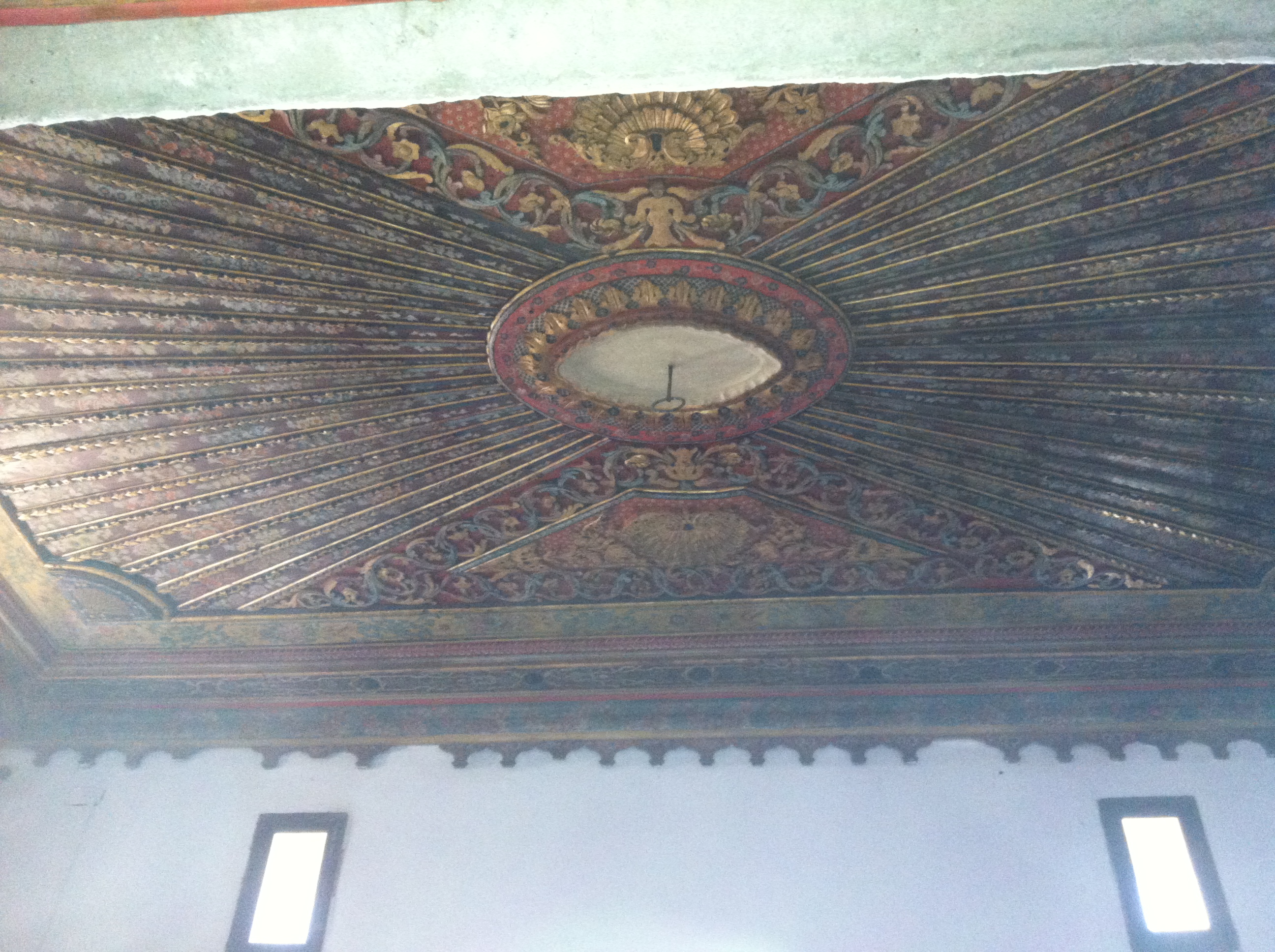
The Palace of the Dey sits within the Casbah of Algiers, the fortified old city that cascades down the hillside to the harbor. Built during the Ottoman period, it served as the residence and administrative center of the Dey -- the ruling authority of the Regency of Algiers, a semi-autonomous state that operated under nominal Ottoman sovereignty from the 16th century. Hussein Dey, the last to rule from these halls, had lived in the palace for twelve years before the French arrived. The building's architecture reflects the Ottoman tradition of the region: intricate tilework, carved wooden ceilings, and interior courtyards designed for both governance and private life. It was a palace built for a ruler who answered to Istanbul in theory and to no one in practice.
The Fan Incident
The so-called "Fan Incident" of 1827 had deeper roots than a swatted consul. France owed the Regency of Algiers a substantial debt dating to grain shipments supplied during the Napoleonic Wars, and Hussein Dey had grown impatient with French refusals to pay. When Deval appeared at the palace, the Dey confronted him over the matter, and accounts describe him striking the consul with his fly-whisk in a fit of anger. France treated the incident as a casus belli -- an affront to national dignity that demanded satisfaction. Whether it was genuine outrage or convenient pretext remains a question historians still debate. What is certain is that by 1830, the French military had landed at Sidi Fredj, and the Casbah fell on 5 July of that year. Hussein Dey went into exile, and Algeria's Ottoman chapter ended.
Cracks in the Walls
The palace has endured centuries of use and neglect. Renovations were carried out in 1979, 1989, and 2006, but the building continues to suffer from structural damage. Major cracks run through its wooden elements, and portions have collapsed -- damage attributed in part to the vibrations from busy roads that now surround the site. The Algerian government has sought international expertise for more extensive restoration, recognizing that the palace represents an irreplaceable piece of the country's pre-colonial heritage. Within the Casbah, a UNESCO World Heritage Site, the Palace of the Dey stands as one of the most historically significant structures, a building where diplomatic incidents became wars and where the last independent ruler of Ottoman Algiers held court before an empire arrived.
From the Air
Located at 36.78N, 3.06E within the Casbah of Algiers, visible from low altitude as part of the old city's hillside complex above the harbor. Nearest airport: DAAG (Houari Boumediene Airport), approximately 16 km southeast. The Casbah's white buildings are a distinctive landmark from the air.