Pantanal Matogrossense National Park
Every year, the rain comes and the land disappears. Eighty percent of the grasslands inside Pantanal Matogrossense National Park flood during the wet season, transforming solid ground into a shimmering labyrinth of shallow lakes, submerged meadows, and winding waterways. Created in 1981, this 135,606-hectare park in the western Brazilian state of Mato Grosso protects a fraction of the Pantanal, the world's largest tropical wetland -- a region covering roughly 195,000 square kilometers that sprawls across Brazil, Bolivia, and Paraguay. The park sits within the UNESCO-designated Pantanal Biosphere Reserve and holds status as a Ramsar wetland of international importance. It is a place where the boundary between land and water is negotiated seasonally, and everything alive here has learned to negotiate with it.
The Rhythm of Rising Water
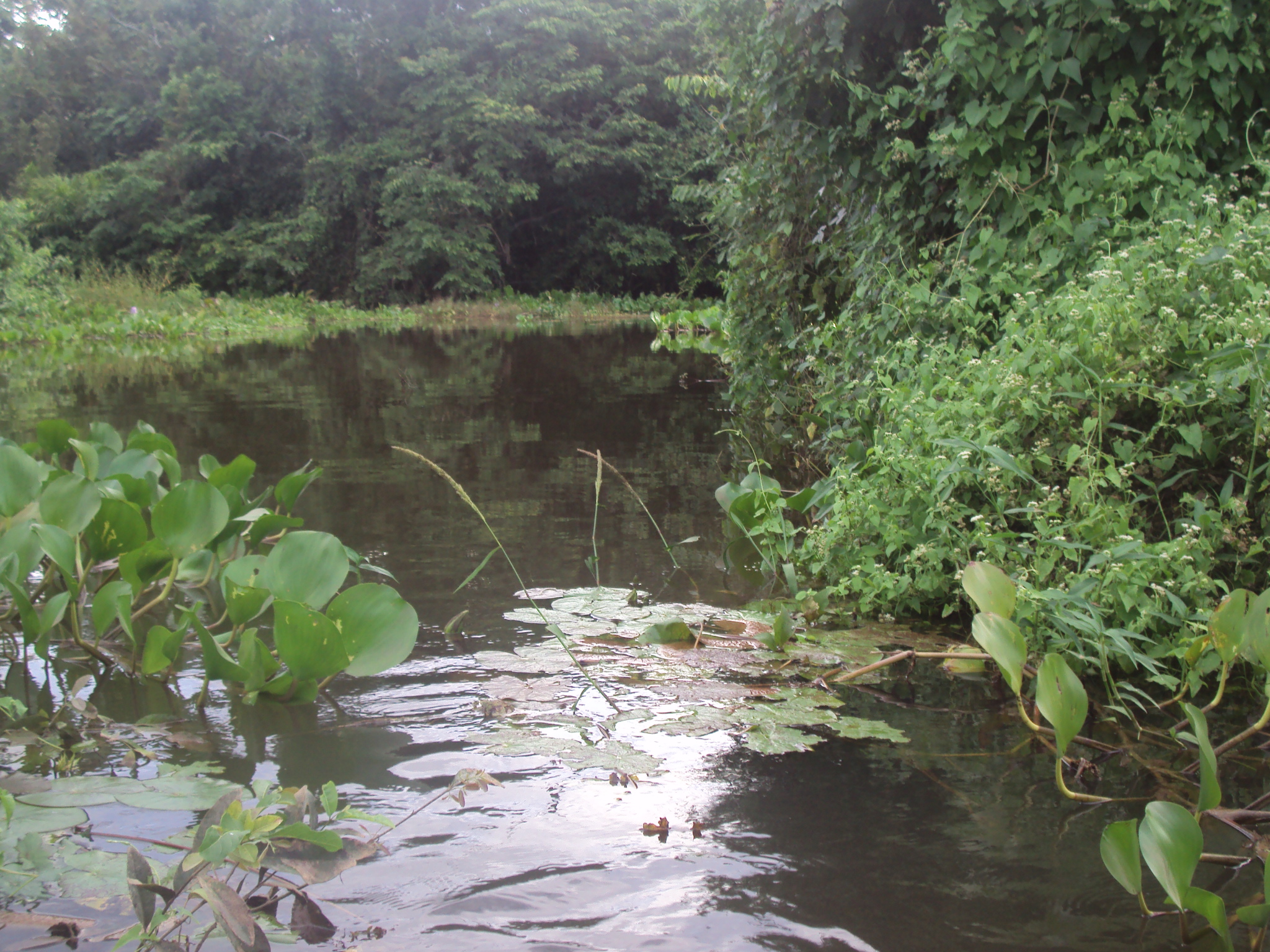
The Pantanal operates on a pulse. During the dry months, the park is a patchwork of open grassland, scattered ponds, and riverbanks where caimans sun themselves by the hundreds. Then the rains arrive, and the transformation is total. Aquatic grasses colonize the shallows, lily pads carpet the ponds, and what was firm trail becomes navigable channel. Access shifts from foot and horseback to boat. The Estrada Parque, the main road into the region, becomes passable only during the dry season. Even the nearest commercial airport, at Corumba, feels like a distant outpost -- most visitors arrive by guided tour, traveling by air-conditioned van along the park road or by horseback into the wetlands, or by boat up the Paraguai River through hidden inlets.
A Census of the Wet and Wild
The numbers stagger. More than 2,000 plant species have been cataloged here, alongside over 450 bird species, more than 200 mammals, and at least 140 kinds of reptiles. Jaguars prowl the forest edges, and ocelots stalk smaller prey through the undergrowth. Marsh deer wade through the flooded grasslands while giant anteaters tear open termite mounds on the higher ground. Giant otters -- among South America's most charismatic and endangered mammals -- hunt fish in the park's waterways. Below the surface, yellow anacondas glide through warm water, and freshwater mollusks filter nutrients from the murky flow. The caiman population is extraordinary: on a slow boat ride along any waterway, dozens of eyes break the surface, tracking your passage with reptilian patience.
Wings Over the Wetland
Birdwatchers come to the Pantanal for good reason. More than 460 species are permanent residents, and the park's seasonal flooding creates feeding opportunities that draw spectacular concentrations of wading birds. Cocoi herons stand motionless in the shallows, waiting for fish. Roseate spoonbills sweep their flattened bills through the water in wide arcs. Egrets gather in noisy colonies along the riverbanks. Hyacinth macaws -- the world's largest parrots, with wingspans approaching 1.5 meters and plumage of deep cobalt blue -- perch in the palms. Less showy but equally compelling are species like the chestnut-bellied guan and the black-and-tawny seedeater, birds whose presence signals an ecosystem in robust health.
Walking the Edge of Wilderness
There are no shops, restaurants, or lodges inside the park itself. Visitors bring what they need and pack out what they brought -- leave no trace is not a suggestion here but a necessity in a place where the nearest supply town might be hours away. During the dry season, a network of trails opens for hiking, and some tour operators lead horseback rides along paths that cattle ranchers once used. But the wet season is the Pantanal at its most alive, and that means travel by boat: narrow watercraft threading through flooded forest, pushing past hanging vines and startled herons. The sun is relentless, the mosquitoes unforgiving, and the venomous snakes abundant. Visitors are advised to bring DEET, a hat, and a healthy respect for an ecosystem that does not cater to human comfort. The reward is a wilderness that feels genuinely untamed -- one of the few places left in South America where the animals outnumber the people by orders of magnitude.
From the Air
Located at approximately 17.72S, 57.37W in western Mato Grosso state, Brazil, near the Bolivian border. From cruising altitude the park appears as a vast flat expanse -- bright green and flooded during wet season, brown and savanna-like when dry. Corumba Airport (SBCR) is the nearest commercial field. The Paraguai River serves as a prominent visual landmark, snaking through the wetland. At 15,000-25,000 feet, the seasonal flooding pattern becomes clearly visible as a mosaic of water and land stretching to the horizon.