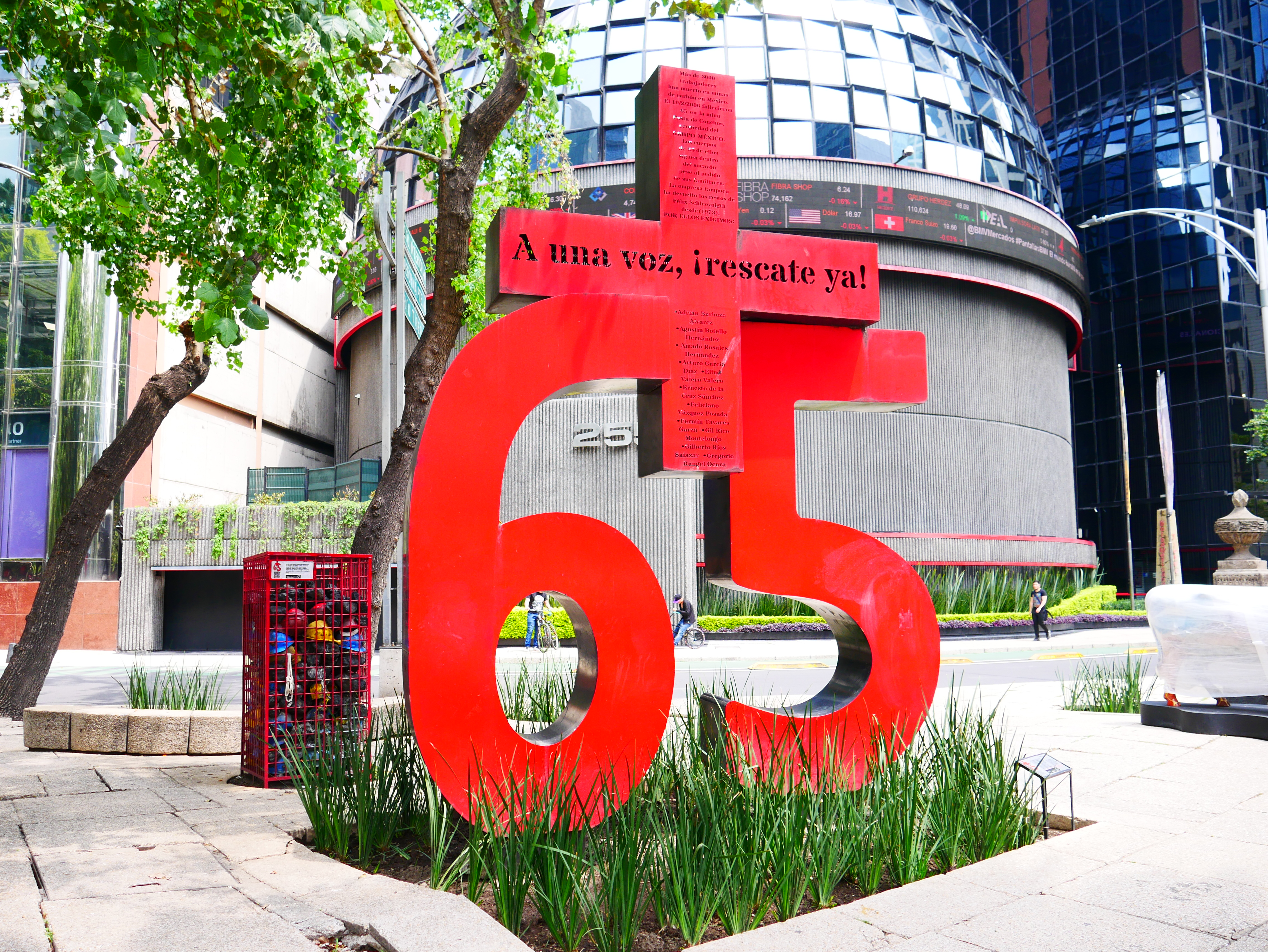
Pasta de Conchos Mine Disaster
The workers on the overnight shift at the Pasta de Conchos coal mine had complained about the gas leak. Guadalupe Rosales Martinez told the Los Angeles Times that her brother, one of the workers pulled from the mine entrance, had reported it. Norma Vitela told the Miami Herald the same thing about her husband, who was not pulled out. At 2:30 in the morning on February 19, 2006, the methane that had been leaking ignited. Sixty-five miners were working the 10 p.m. to 6 a.m. shift deep inside a mine operated by Grupo Mexico, the country's largest mining company. The explosion released methane and carbon monoxide that consumed nearly all available oxygen in the tunnels. Each miner carried an oxygen pack rated for six hours. By the time search teams reached even the halfway point of the 1.75-mile-long mine, those six hours had long since passed.
Warnings Ignored
The mine near Nueva Rosita, in the San Juan de Sabinas Municipality of Coahuila, had a troubled history well before the explosion. Workers had gone on strike against Grupo Mexico at least 14 times, not only over wages but because of the company's refusal to review safety and health conditions. Despite this record, Grupo Mexico and the mining union signed a certificate on February 7, 2006 -- just twelve days before the disaster -- declaring the mine safe. There were conflicting accounts of even basic facts: the National Mining and Metal Workers Union said the trapped miners were approximately 1,600 feet underground, accessed via a mile-long horizontal tunnel, while Grupo Mexico claimed they were about 500 feet below the surface. What was not in dispute was the result. When the explosion hit, it turned the mine into a tomb.
The Search That Wasn't
By February 21, hope was effectively gone. The oxygen packs had guaranteed only six hours. Governor Humberto Moreira Valdes told Televisa that the mine's ventilation fans were still running, but the Miami Herald noted that "even so, they could not be certain the precious oxygen was arriving to where the miners were trapped." Grupo Mexico advanced halfway into the mine and found no one -- not the 24 additional miners expected at that depth, not anyone at all. The company hypothesized the miners were buried under debris or located deeper than expected. Mexican scientists working with the U.S. Mine Safety and Health Administration confirmed what the families already knew: toxic gas levels made survival impossible. The Secretary of Labor and the governor announced the mine would be closed indefinitely once all bodies were recovered. But recovery did not happen. Only two of the 65 bodies were ever brought to the surface.
Eighteen Years of Waiting
The families of the 63 miners still underground never stopped demanding their return. They accused Grupo Mexico of abandoning the recovery effort to prevent investigators from documenting the deplorable working conditions inside the mine. The company insisted the operation was too dangerous. In 2018, the Inter-American Commission on Human Rights sided with the families. President Andres Manuel Lopez Obrador promised in 2019 to recover the bodies. On September 14, 2020, the government and families reached an agreement: the miners' remains would be recovered, a memorial built, and the 65 families compensated. The estimated cost of $75 million would be financed by the CFE through the sale of coal from the mine itself. Lopez Obrador announced on February 19, 2021 -- the fifteenth anniversary -- that rescue efforts had begun. On June 12, 2024, authorities announced the discovery of some bodies inside the mine. The IndustriALL Global Union's assessment from 2016 remained largely true years later: no thorough investigation into the real causes, no one brought to justice, incomplete recovery, inadequate compensation.
The Weight of Accountability
Pasta de Conchos became a symbol of something larger than a single mine explosion. It exposed the gap between safety regulations on paper and conditions underground, between a company's public assurances and its workers' private complaints. The 14 previous strikes should have been a warning system. The February 7 safety certificate should have been an investigation trigger. The gas leak complaints should have stopped production. None of these things happened, because in the calculus of industrial mining in northern Mexico, the cost of delay exceeded the perceived cost of risk. Sixty-five families learned the true arithmetic at 2:30 in the morning. The workers who died in Pasta de Conchos were not statistics -- they were husbands, fathers, brothers, and sons from the coal-mining communities around Nueva Rosita and San Juan de Sabinas, people who went underground in the dark and trusted that the company running the mine had ensured they would come back up.
From the Air
Coordinates: 27.97°N, 101.33°W. The Pasta de Conchos mine is located near Nueva Rosita in the San Juan de Sabinas Municipality of northern Coahuila. This is coal-mining country in the Sierra Madre Oriental foothills. The terrain is semi-arid with scattered mining communities. Nearest airports: Piedras Negras (MMPG) to the north and Monclova to the south. The mine itself is not prominent from altitude, but the mining infrastructure and communities around Nueva Rosita are visible. The Sabinas River runs through the region.