Pawnee Rock, Kansas
Every name on the Santa Fe Trail meant something earned. Cottonwood Crossing told you where shade waited. Council Grove told you where to organize your wagon train. And Pawnee Rock -- a sandstone promontory rising from the Kansas prairie in Barton County -- told you that you were halfway there. Halfway between Missouri and Santa Fe, halfway between the known world and the unknown, halfway between water you could count on and stretches where you could not. The rock became one of the most famous landmarks on the entire 900-mile trail, a place where travelers paused, rested, and carved their names into the soft stone as proof they had made it this far. The town that grew up half a mile to the south, founded in 1874 and incorporated in 1887 under its first mayor William Bunting, borrowed the rock's name and borrowed, in some small way, its significance.
The Halfway Marker
Pawnee Rock State Historic Site sits half a mile north of US Route 56 and the town itself. The monument consists of a rough stone pole building used for picnics and a granite pillar-shaped monument atop a small hill -- what remains of the original bluff after decades of quarrying reduced its height. In the trail's heyday, the rock stood considerably taller and served as both a landmark and a vantage point. From its top, travelers could scan the surrounding prairie for approaching wagon trains, herds of bison, or potential threats. The rock's name likely derives from encounters between trail travelers and the Pawnee people, though the exact origin story has been told in multiple versions. What is certain is that the rock was universally recognized by the 1840s as the midpoint of the journey, and stopping there was as much ritual as necessity.
Names Carved in Sandstone
The soft sandstone of Pawnee Rock invited inscriptions the way a blank page invites a pen. Traders, soldiers, emigrants, and adventurers scratched their names, dates, and sometimes brief messages into the rock's surface. Kit Carson reportedly carved his name there. So did scores of less famous travelers whose marks have since weathered away or been lost when the rock was quarried for building material in the late nineteenth century. The practice of carving on Pawnee Rock was so widespread that it became one of the earliest forms of American graffiti tourism -- a tradition that anticipated the carved initials and spray-painted names that now mark road trips across the country. The Kansas State Historical Society recognized the site's significance, and the monument atop the diminished bluff now preserves what quarry picks and weather could not erase.
A Town That Borrowed a Name
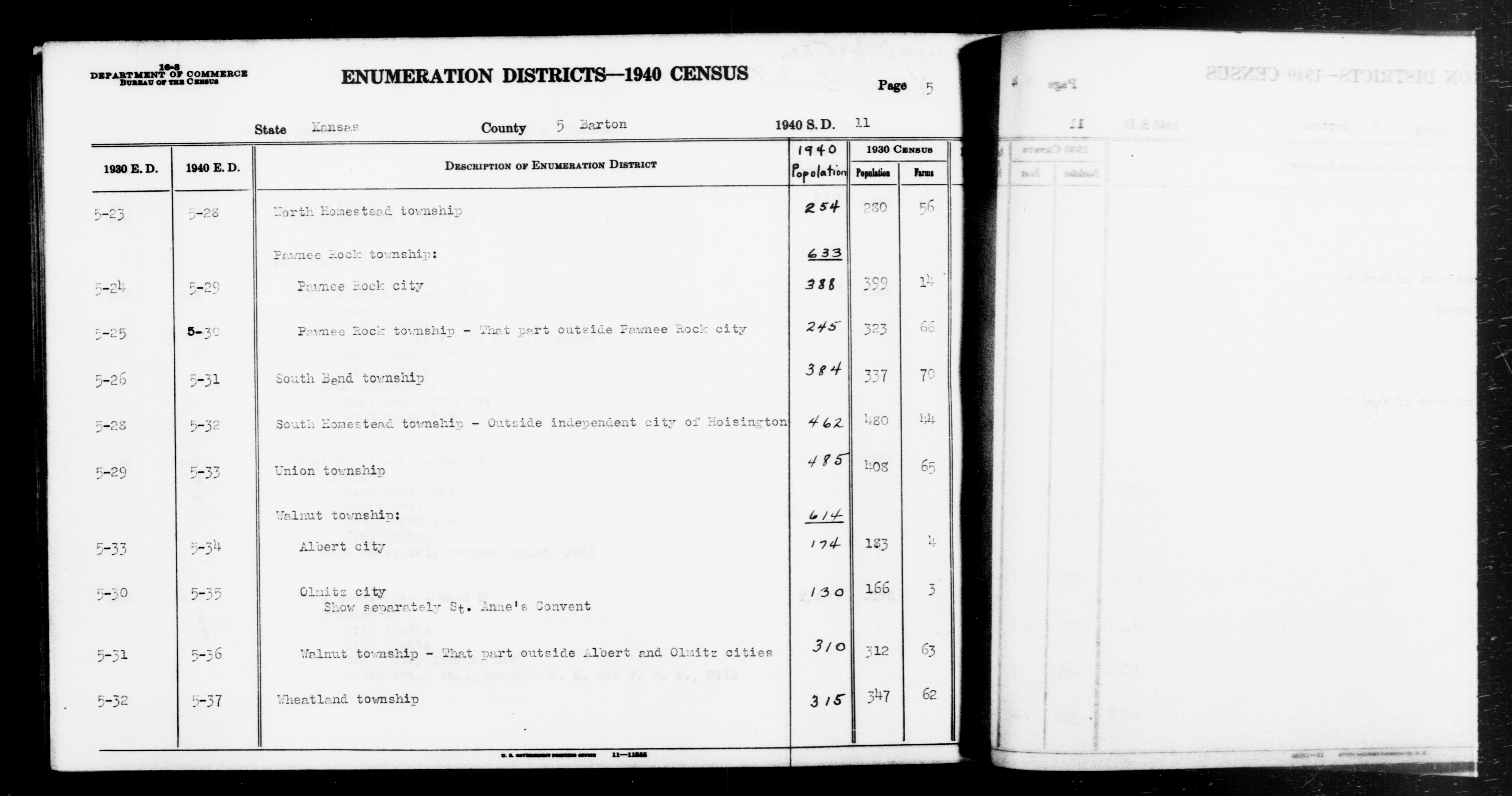
Pawnee Rock the town was founded in 1874, taking its identity directly from the landmark that had drawn attention to this stretch of prairie for decades. The community was incorporated in 1887 under Mayor William Bunting. It sits in Barton County, with its southern edge running along the Barton-Pawnee county line. The town has always been small. The 2020 census counted 193 people in 84 households -- down from 356 in 2000 and 252 in 2010. Pawnee Rock's schools were closed through school unification, with students now served by the Fort Larned USD 495 district. The old Pawnee Rock High School mascot was the Braves, a name that nodded to the same Indigenous presence that gave the rock and the town their identity.
The Prairie Abides
Pawnee Rock endures as a place defined more by what passed through it than what stayed. The Santa Fe Trail brought the traffic that made the rock famous. The railroad brought the settlers who built the town. But the traffic moved on, the trail became a memory, and the town settled into the quiet rhythms of central Kansas agriculture. The median age is 42.8 years. The median household income hovers around $33,000. The landscape stretches flat in every direction, broken by the Pawnee Fork to the west and the Arkansas River to the south. What remains is the monument on the hill, the small grid of streets below it, and the persistent fact of the rock itself -- diminished by quarrying but not erased, marking a halfway point on a journey that most Americans have long since forgotten but that shaped the geography of the nation.
From the Air
Located at 38.265°N, 98.983°W at approximately 1,900 feet MSL in Barton County, Kansas, along US Route 56. The Pawnee Rock State Historic Site is visible as a small hilltop monument half a mile north of the town. The town itself is a small grid pattern barely distinguishable from surrounding agricultural land at high altitude. Great Bend Municipal Airport (KGBD) lies approximately 15 miles to the east. The Pawnee Fork and Arkansas River corridors provide the primary visual references, tracing the historic route of the Santa Fe Trail through central Kansas. Best viewed at 2,000-4,000 feet, when the monument site and the small town are distinguishable from the surrounding flat cropland.