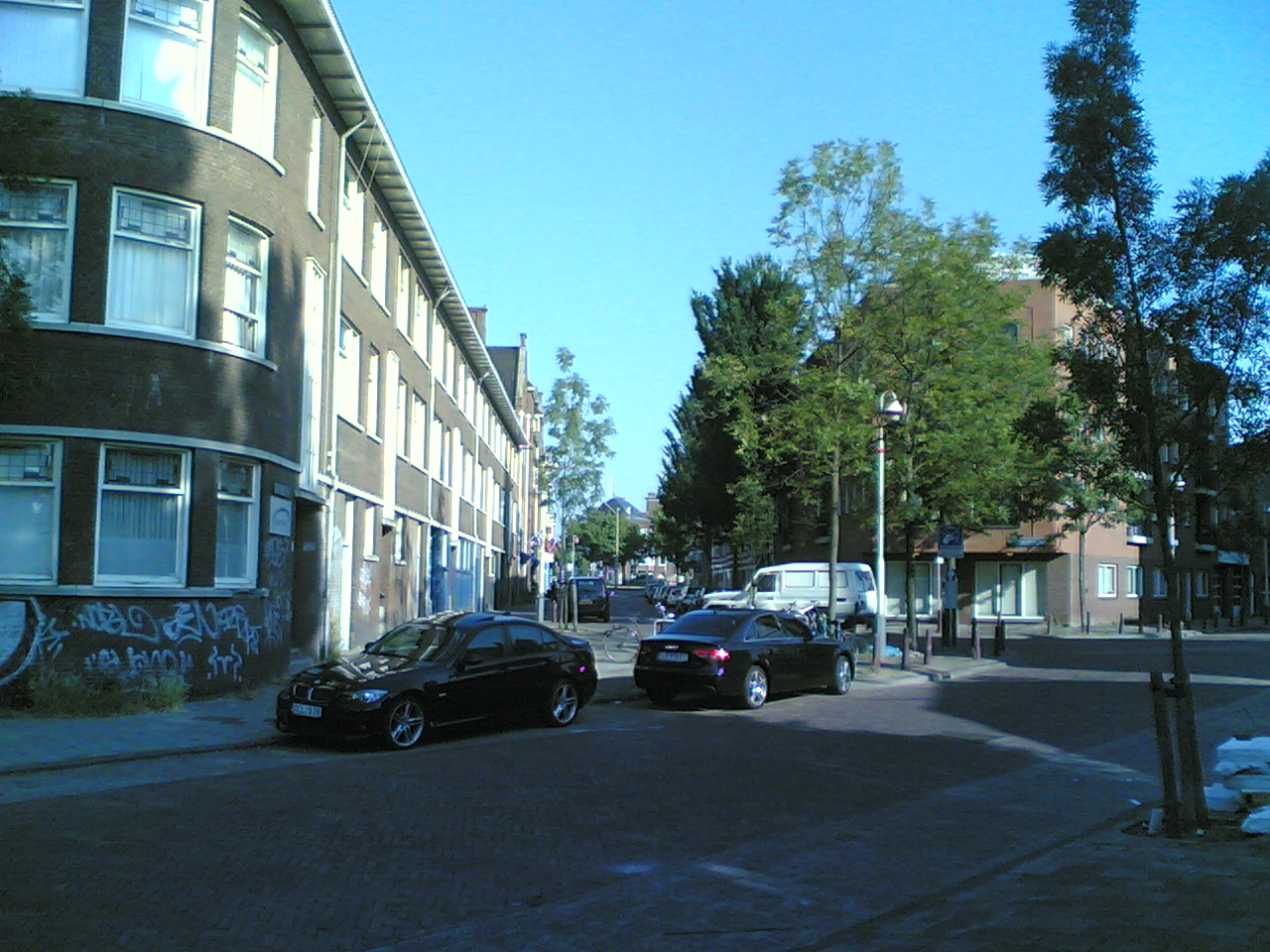
Pension de Vogel homeless hostel fire
Ans de Vogel had run her hostel for thirty years. Her residents called her Ma Vogel. They were people the rest of The Hague had stopped trying to help - some homeless, some struggling with addiction, some living with psychiatric illness, all of them somehow finding their way to a small building on the Scheepmakersstraat that she kept open for them. On the night of 15 September 1992 there were more than fifty people inside, sleeping in thirty-eight rooms divided by thin wooden walls. Ten of them were in the attic, which the fire department had explicitly forbidden anyone to use. The building manager left at half past three in the morning. Sometime after that, a resident bought petrol at a filling station, returned to her room, and lit it.
The People in the Building
Eleven people died at Pension de Vogel that night. Five more were so badly hurt they needed hospital care for severe injuries; ten others were treated for less serious wounds. Some died in the fire itself. Others died from the fall, jumping from windows and from the roof because the smoke was already in the stairwell and the only fire escape - an outside cage ladder - was not something the residents had been told about or trained to find. Pension de Vogel was a hostel, not a hotel. Its residents had nowhere else to be that night. They came there because they were homeless, or because the alcohol or drugs or mental illness that ran their lives had narrowed their options to almost nothing. Ma Vogel had taken them in when other places would not. The wooden dividers between their rooms were what burned.
The Warnings That Were Made
The fire department of The Hague had been telling Ma Vogel for years that her building was dangerous. In 1989 they had formally refused her a permit. The reasons were specific: no fire alarms, no proper fire escapes, no fire-resistant dividers between the small rooms. The building's manager promised to renovate. On that promise, the fire department condoned continued use of the first and second floors. They were unambiguous about one thing: the attic was off limits. No one was supposed to sleep up there. On the night of the fire, the pension was overcrowded. Ten people slept in the attic anyway. When fire broke out on the first floor and rose, the attic was where it was worst. Part of it collapsed during the rescue.
The Confession
After the fire, one of the survivors confessed. She had bought petrol earlier that evening at a filling station. She had told other people she might do this; she had threatened it before. After the building manager left at 3:30 in the morning, she went into her own room, poured the petrol, and started the fire. The Wikipedia summary records this fact in a sentence. The fact behind the sentence is heavier. Whatever drove her to set the building alight, she lit it knowing that more than fifty people - her neighbors, in the only sense of neighbors she had - were asleep around her. Ten of them she would never see again. She survived. They did not. The fire was murder, eleven times over, by someone the system had also failed.
What the Neighbors Saw
The Dutch newspaper Trouw, reporting the morning after, ran a headline that translated roughly as Residents forced to watch helplessly as guests jumped. The fire department arrived to find people already on the windowsills and on the roof. Some jumped before there was any way to catch them. The neighbors on the Scheepmakersstraat - ordinary Hague people on an ordinary Tuesday night - stood in the street watching strangers fall. The firefighters who reached the scene, the paramedics who treated the burns and broken bones, the police who later took the confession - all of them carried what they saw that night. Disaster responders develop calluses, but eleven dead in a single building, including people they could not reach in time, is not the kind of call that fades.
What Changed Afterward
The municipality of The Hague was severely criticised. The condoning of an unsafe building, the trading of permits for promises, the bureaucratic willingness to look past a clear safety risk because the residents were people no one else wanted to house - all of it came out in the days and weeks after the fire. Strict new measures were issued for boarding houses and rented rooms across the city. The rules were followed up nationally. Inspections that had been waived were no longer waived. Buildings housing vulnerable people now needed real fire alarms, real fire escapes, real fire-resistant walls. The building on the Scheepmakersstraat 22 came down. A new one was built in its place; in 2008 a photograph shows a quiet residential street where the pension had stood. The eleven people who died that night did not get to know that the laws changed because of them. They are mostly absent from the historical record - their names not in the Wikipedia article, their lives compressed into a category. They were people. Each one had a story before the night of 15 September 1992. They deserved a safer place to sleep.
From the Air
52.0725 N, 4.3259 E in central The Hague, on the Scheepmakersstraat in the Schilderswijk-Centrum area. The original Pension de Vogel building was demolished after the fire; the location is now a quiet residential street. Best viewed in context with the surrounding city core. Nearest airports: Rotterdam The Hague (EHRD) 11 km south, Amsterdam Schiphol (EHAM) 36 km northeast. This is a site of memory rather than a visual landmark; visitors come, when they come, to acknowledge what happened, not to see anything in particular.