Peoples Temple
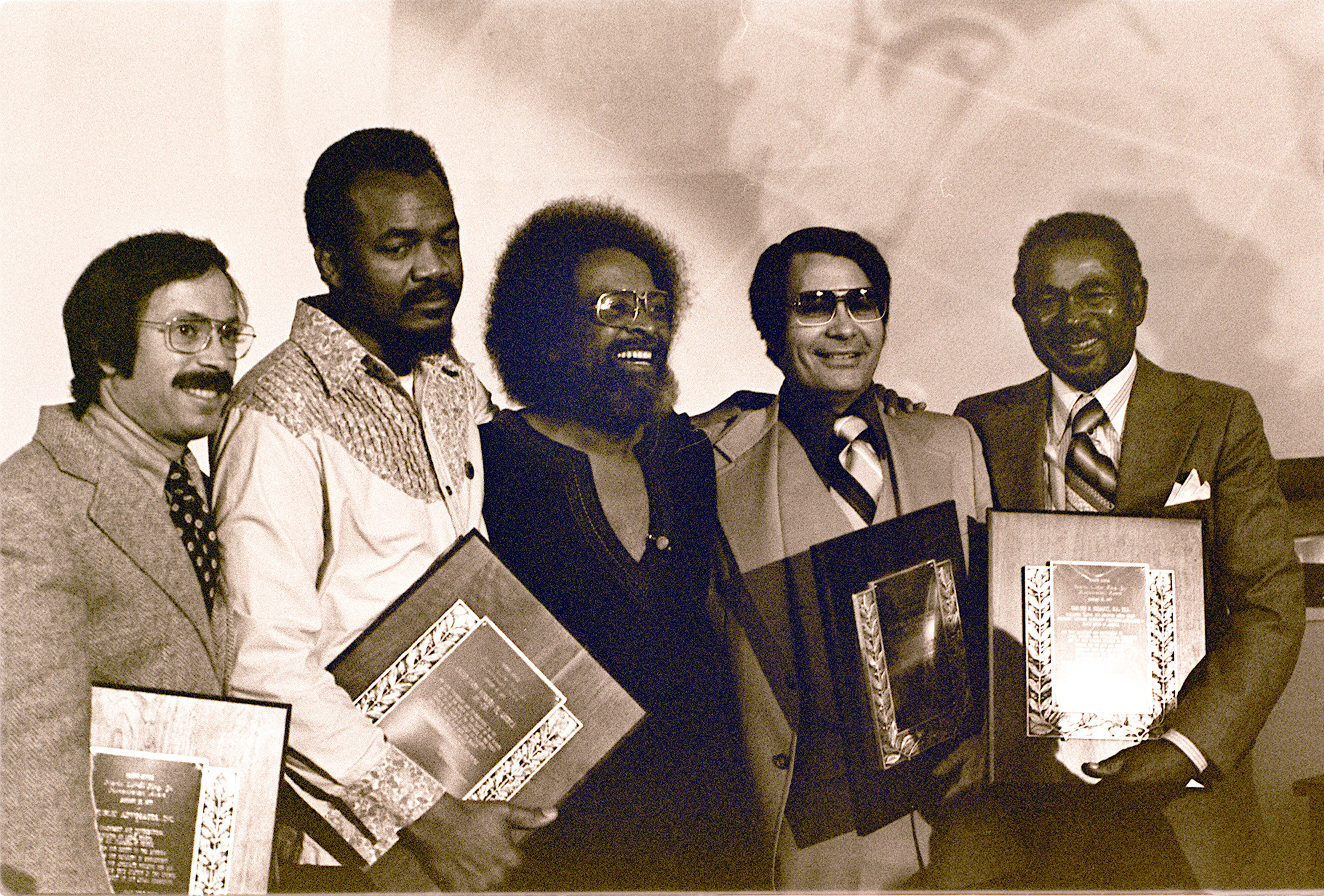
Before Jim Jones led 909 followers to their deaths in the jungles of Guyana, he was one of the most influential religious leaders in San Francisco. The Peoples Temple, headquartered at a former church in the Fillmore District, drew thousands of members with its message of racial equality, social justice, and communal living. Jones cultivated powerful allies - he was appointed to the city's Housing Authority, praised by politicians, and protected by loyal followers who voted as a bloc. His church ran social services, nursing homes, and food programs. But behind the progressive facade was a totalitarian cult. Jones demanded absolute obedience. He staged fake healings. He sexually abused members. He practiced mass suicide drills called 'White Nights.' When journalists began investigating, Jones fled with his followers to Guyana. The Peoples Temple Agricultural Project - Jonestown - would end in the largest mass death in American history.
The Church
Jim Jones founded the Peoples Temple in Indianapolis in 1955, preaching an unusual blend of Pentecostal Christianity, socialism, and racial integration. In 1965, claiming to foresee nuclear war, he moved the church to California. By the early 1970s, the Temple had settled in San Francisco's Fillmore District, taking over a former Scottish Rite Temple on Geary Boulevard. The congregation was racially diverse, predominantly African American, and genuinely committed to social justice. The Temple ran drug rehabilitation programs, fed the homeless, and helped members find housing and jobs. Jones performed apparent miracle healings (later revealed as staged). Membership grew to thousands. Jones became a political force.
The Power
Jones cultivated relationships with San Francisco's political establishment. His followers voted as a bloc and worked as campaign volunteers. In 1976, Mayor George Moscone appointed Jones chairman of the San Francisco Housing Authority. Harvey Milk sought his endorsement. Governor Jerry Brown, Rosalynn Carter, and Walter Mondale posed for photographs with him. The Temple's apparent good works provided cover for darker practices. Jones required members to donate their possessions. He separated families. He demanded confessions of sins that could be used as blackmail. He claimed to be God incarnate. Those who tried to leave were threatened, stalked, or beaten.
The Exposure
In 1977, New West magazine published an exposé featuring interviews with former members who described beatings, extortion, and fake healings. Jones, anticipating the article, had already begun moving members to Jonestown, an agricultural commune in the jungles of Guyana. He claimed it would be a utopia free from American racism and capitalism. In reality, Jonestown was a prison camp. Members worked long hours, ate poorly, and were forbidden to leave. Jones, increasingly paranoid and drug-addled, conducted 'White Night' drills where members practiced mass suicide. Congressman Leo Ryan, investigating reports from concerned relatives, flew to Guyana in November 1978. His visit would end in massacre.
The End
On November 18, 1978, as Congressman Ryan's delegation prepared to leave Jonestown with defectors, gunmen opened fire at the Port Kaituma airstrip, killing Ryan and four others. Back at Jonestown, Jones ordered the final White Night. More than 900 people died - some willingly, many at gunpoint, 276 of them children given cyanide-laced punch by their parents. Jones died of a gunshot wound. It was the largest loss of American civilian life in a deliberate act until September 11, 2001. The phrase 'drinking the Kool-Aid' entered the language as a term for blind obedience - though the actual drink was Flavor Aid.
Visiting the Temple Site
The former Peoples Temple headquarters stands at 1859 Geary Boulevard in San Francisco's Fillmore District. The building is now a Korean church; there is no memorial or marker acknowledging its history. The imposing structure, with its distinctive facade, appears much as it did in the 1970s. The neighborhood has gentrified, but the Fillmore's African American history is acknowledged in nearby murals and cultural centers. For those seeking to understand how a cult leader became one of the most powerful figures in San Francisco politics, the journey requires imagination - reconstructing the crowds, the political connections, the seemingly genuine good works that masked totalitarian control. San Francisco International Airport (SFO) is 13 miles south. The Temple site is a short drive from Union Square and accessible by Muni.
From the Air
Located at 37.78°N, 122.43°W in San Francisco's Fillmore District, on Geary Boulevard between Fillmore Street and Webster Street. From altitude, the Peoples Temple building is not distinguishable from surrounding structures in the dense urban grid. The Fillmore is part of San Francisco's Western Addition, north of the Panhandle and Golden Gate Park. The Golden Gate Bridge is visible to the northwest.