Perth
Perth sits on the Swan River where it meets the Indian Ocean, closer to Singapore than to Sydney, more isolated from other major cities than any comparably sized metropolis on Earth. The nearest Australian city of over 100,000 people is Adelaide, 2,700 kilometers to the east across the Nullarbor Plain. The isolation that defined colonial Perth as remote outpost has become advantage in the mining boom - the city serves as headquarters for companies extracting iron ore and gas from Western Australia's vast resource deposits. Perth holds 2.1 million people in a metropolitan area that has doubled since 1980, the growth funded by commodities that China consumes. The city is paradoxically connected and remote: fourteen hours from London by direct flight, a working day from Asia, yet separated from eastern Australia by time zone and distance and the sense that the west is different.
The Isolation
Perth's isolation is not figure of speech but geographic fact. The drive to Adelaide takes over 24 hours across desert that holds almost nothing; the flight to Sydney takes four hours east over continent largely empty. The Indian Ocean that laps Perth's beaches connects it to Africa and Asia but reminds residents that they live on a continental edge. The isolation breeds character that eastern Australians find either charming or parochial.
The isolation created problems that modern communication has partly solved. The tyranny of distance meant that Perth operated independently when telegraph and sea mail were the only connections; now fiber optics and aircraft create connections that geography once prevented. Yet the isolation persists psychologically - Perth still feels remote, still watches events elsewhere with the detachment that distance enables, still defines itself partly by what it is not.
The Mining Capital
Western Australia holds mineral deposits that have made Perth's fortune: iron ore in the Pilbara, natural gas offshore in the Browse and Carnarvon Basins, gold in Kalgoorlie, lithium increasingly. The mining companies headquarter in Perth, their executives flying to sites thousands of kilometers north and returning to Swan River suburbs. The wealth that mining generates has built the city's skyline, funded its cultural institutions, and created inequality between those connected to resources and those who are not.
The mining economy cycles with commodity prices, and Perth has experienced both boom and bust in recent decades. The China-driven iron ore demand that peaked around 2012 brought prosperity that housing prices and wages reflected; the subsequent cooling brought adjustment. Perth's dependence on mining is risk and opportunity, the resource curse that afflicts countries threatening to afflict a city. Yet the resources remain - iron ore still ships by the hundreds of millions of tons, and the gas projects represent decades of future revenue.
The Beaches
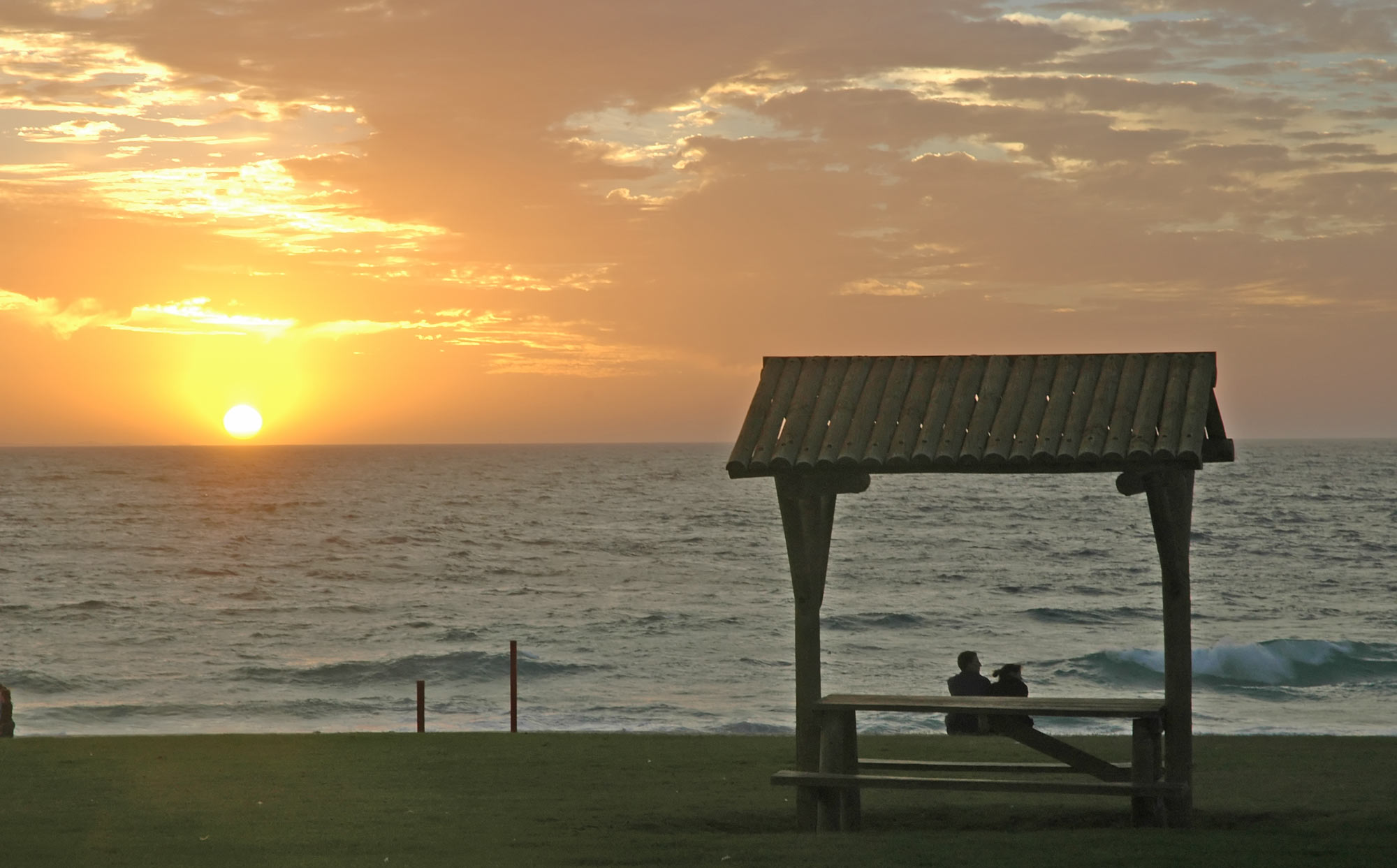
Perth's beaches stretch north and south from the city, the Indian Ocean waters cleaner and warmer than the Pacific beaches of Sydney and Melbourne. Cottesloe, Scarborough, and City Beach draw crowds on summer weekends that extend through evenings watching sunsets that paint the western sky. The beach culture is central to Perth identity - the outdoor lifestyle that isolation and climate enable, the surfing and swimming that fill weekends.
The beaches face west, which means Perth watches sunsets where Sydney watches sunrise. The western orientation shapes the city's rhythms: the afternoon light that gilds the city center, the sundowners that beach bars serve, the sense that Perth is ending rather than beginning the day that eastern Australia experiences. The beaches are democratic in ways that the economy is not - wealth cannot buy better sand, only closer access to it.
The Swan River
The Swan River winds through Perth, its broad lower reaches providing the water views that expensive suburbs command, its estuary creating the harbor where Fremantle's port operates. The river gave Perth its founding site - the 1829 settlement chose the location for water access, not suspecting the mineral wealth that would later justify the choice. The bridges that span the Swan connect northern and southern suburbs, their traffic jams defining commute times.
Kings Park, on a bluff overlooking the river, provides the viewpoint from which Perth's postcard images come - the skyline reflected in water, the bridges carrying traffic, the suburban sprawl extending to horizons that distance obscures. The park holds botanical gardens featuring Western Australian wildflowers, the biodiversity that the state's isolation has preserved. The river and the park together provide the green space that makes Perth livable despite its size.
Fremantle
Fremantle is Perth's port city, 20 kilometers southwest at the river's mouth, its Victorian streetscapes preserved while surrounding suburbs have modernized. The maritime heritage that made Fremantle essential before containerization moved most shipping elsewhere survives in museums and restored buildings. The cappuccino strip of South Terrace serves coffee that Italian immigrants introduced; the markets that fill the Victorian market hall draw weekend crowds.
Fremantle maintains identity distinct from Perth, an independence that residents cultivate and visitors appreciate. The working-class history that shipyards and warehouses created, the counterculture that found cheap rent here in the 1970s and 1980s, the arts community that gentrification has not entirely displaced - these give Fremantle character that Perth's suburbs lack. The relationship is symbiotic: Perth provides the economy, Fremantle provides the soul.
From the Air
Perth (31.95S, 115.86E) lies on Australia's southwestern coast where the Swan River meets the Indian Ocean. Perth Airport (YPPH/PER) is located 12km east of the city center with three runways: 03/21 (3,444m), 06/24 (2,163m), and 11/29 (1,768m). The CBD skyline is visible along the Swan River. The coastal beaches stretch north and south. Rottnest Island lies offshore. The terrain is flat coastal plain. Fremantle port is at the river mouth. Weather is Mediterranean - hot dry summers, mild wet winters. Sea breezes (the 'Fremantle Doctor') develop most summer afternoons. Clear flying conditions predominate.