Petrified Forest: Where Trees Turned to Stone
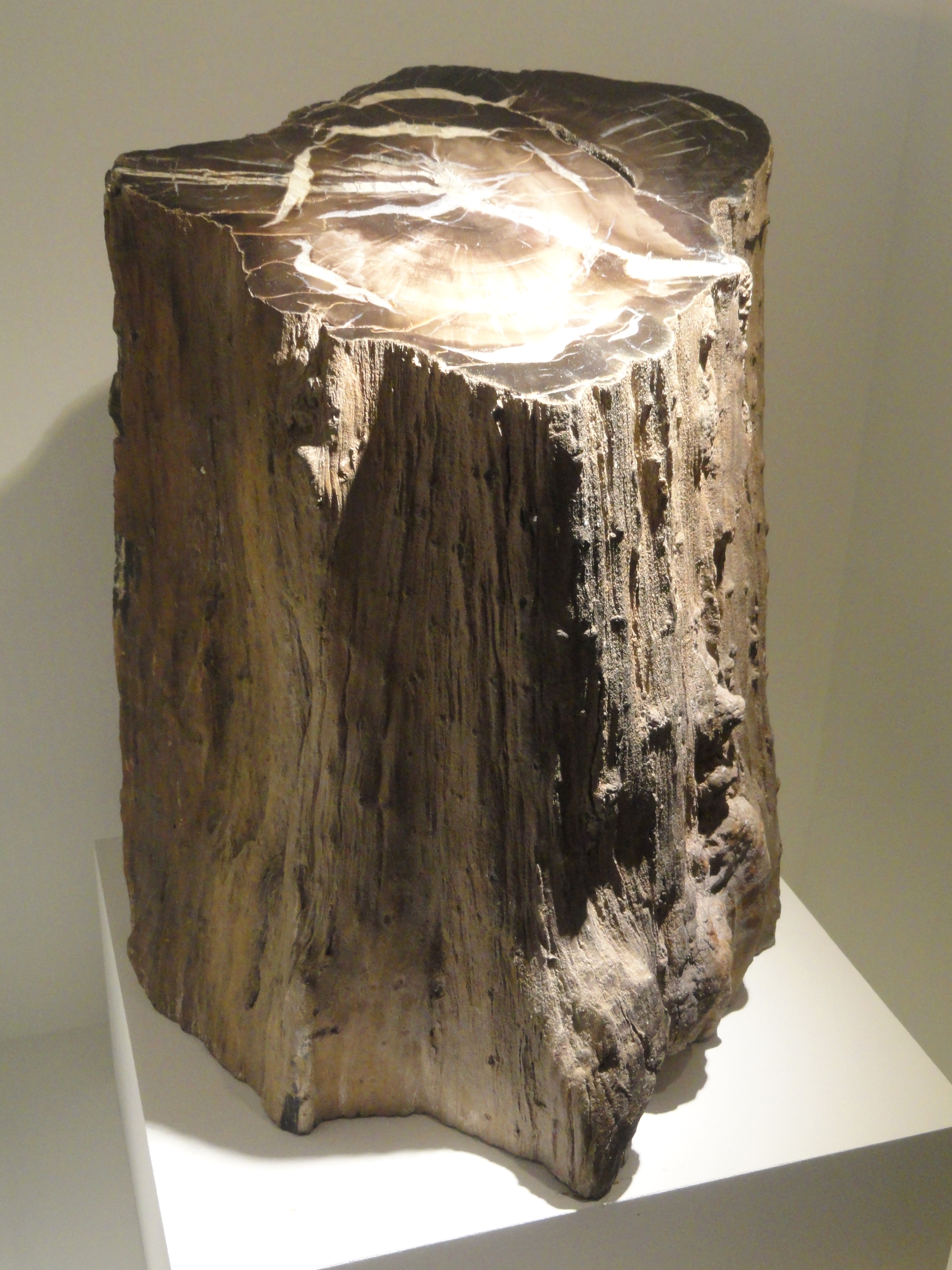
The logs look freshly fallen, their bark textures and growth rings visible in the Arizona sun. Then you touch one and understand: these aren't trees anymore. They're stone - quartz crystals that replaced the original wood molecule by molecule over 225 million years. Petrified Forest National Park preserves one of the world's largest concentrations of petrified wood, thousands of logs scattered across a painted desert of purple, gray, and red badlands. The trees grew when dinosaurs were new, when this desert was a tropical floodplain, when the continents hadn't yet finished separating. They're impossibly old and impossibly beautiful, which is why visitors keep trying to steal them despite warnings, fines, and what rangers call 'petrified wood conscience' letters - anonymous packages from guilty collectors returning their stolen stone.
The Trees
The petrified logs are Araucarioxylon arizonicum, relatives of modern monkey puzzle trees. In the Late Triassic, 225 million years ago, they grew to 200 feet tall in a tropical forest. When they fell, rivers carried them into lowlands where they were buried by sediment and volcanic ash. Groundwater dissolved silica from the ash and deposited it in the wood cells, replacing organic material with quartz while preserving original structure. The process took millions of years; the result is wood transformed to stone, displaying growth rings, bark texture, and branch scars in minerals that sparkle with crystal structure.
The Colors
The petrified wood isn't just stone - it's often spectacularly colored. Pure quartz would be clear or white; trace minerals create the rainbow. Iron produces reds, yellows, and browns. Manganese creates purple and black. Copper contributes blue and green. When logs are cut or broken, the interior often displays these colors in patterns following the original wood grain. The Crystal Forest area contains particularly colorful specimens. The logs lying on the surface have weathered to duller hues; freshly exposed cross-sections from erosion or vandalism reveal interiors that resemble gemstones rather than lumber.
The Theft
Despite being illegal, petrified wood theft is constant. The park estimates that 12 tons of wood are stolen annually - enough to deplete the visible resource in a few centuries. Rangers conduct car searches at exits. Fines reach thousands of dollars. Yet theft continues. The park receives hundreds of packages each year from people returning stolen wood, often accompanied by letters attributing subsequent bad luck to the theft - 'petrified wood curse' letters that the park has collected since the 1930s. A book published from the letters, 'Bad Luck, Hot Rocks,' documents the guilt. The stolen stone weighs on consciences.
The Painted Desert
The petrified wood lies in the Painted Desert, bands of red, purple, gray, and white badlands formed from the same ancient sediments that preserved the trees. The colors come from iron minerals in different oxidation states, creating striped formations that shift hue with light and moisture. The Tepees, Blue Mesa, and Jasper Forest offer different perspectives on the interplay of wood and desert. The landscape is stark and largely lifeless - the same erosion that exposes petrified logs creates terrain hostile to modern plants. Walking through it feels extraterrestrial, the colors and textures belonging to no ordinary desert.
Visiting Petrified Forest
Petrified Forest National Park is located in northeastern Arizona, straddling Interstate 40 approximately 25 miles east of Holbrook. The park road runs 28 miles between two entrances; driving the full route takes 1-2 hours with stops. No camping or lodging exists in the park; Holbrook offers services. Short trails at pull-offs access petrified wood concentrations - Crystal Forest, Long Logs, Agate House. Permits are required for backcountry hiking in the wilderness area. Collecting petrified wood is prohibited; legal specimens are available at shops outside the park. The best light for photography is early morning or late afternoon when colors intensify. Allow at least half a day; the scale of time represented rewards contemplation.
From the Air
Located at 35.07°N, 109.78°W in northeastern Arizona, straddling Interstate 40. From altitude, Petrified Forest National Park appears as colorful badlands amid plateau country - the Painted Desert's stripes visible from significant distance. The petrified logs are invisible from altitude; they require ground-level observation. The park road crosses the terrain in curves visible from above. Interstate 40 bisects the park. The Little Colorado River drainage surrounds the park to the north. The landscape is high desert, ranging from 5,300 to 6,200 feet elevation. What appears from altitude as colorful but unremarkable terrain contains treasures visible only at ground level - 225 million years of history lying on the surface.