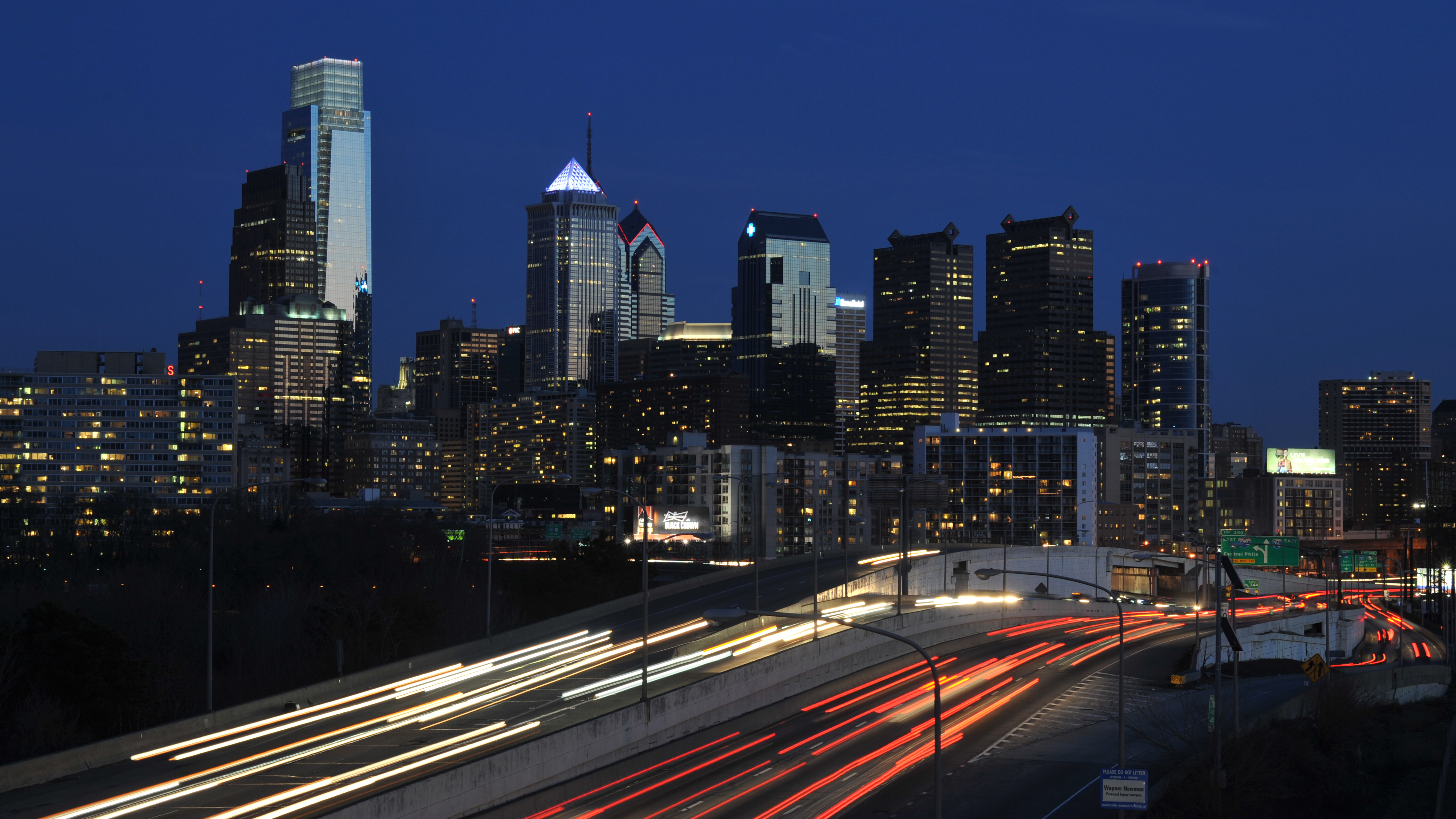
Philadelphia: America's First City, Second-Guessed Ever Since
Philadelphia was supposed to be the capital of everything. William Penn planned it as a 'green country town' in 1682; the Constitutional Convention made it the birthplace of American government; it served as the nation's capital from 1790 to 1800. Then the government moved to Washington, the commerce moved to New York, and Philadelphia spent two centuries being the city that almost was. Yet the 'almost' undersells what remains: the most intact colonial architecture in America, a restaurant scene that emerged from decades of obscurity, museums and universities that justify any city's pride. Philadelphia is America's first great city, still sorting through what that means now.
The Founding
The Declaration of Independence was signed here. The Constitution was written here. The United States of America was invented in Independence Hall and the surrounding buildings where the Continental Congress met, debated, and decided. The Liberty Bell, cracked but iconic, symbolizes the founding; its inscription ('Proclaim Liberty throughout all the land') became prophecy. Philadelphia served as capital while Washington was being built, hosting the first banks, the first stock exchange, the early federal government. The city's founding-era buildings survive - Independence Hall, Congress Hall, the Betsy Ross House - concentrated in blocks now designated Independence National Historical Park.
The Rivalry
New York and Philadelphia have been competing since colonial times, and New York won. Philadelphia's port was closer to the interior; New York's was better positioned for transatlantic trade. Philadelphia's Quaker elite was cautious; New York's merchants were aggressive. By the mid-19th century, the contest was over - New York was the commercial capital, and Philadelphia was merely important. The rivalry persists in sports (Eagles vs. Giants, Phillies vs. Mets) and in Philadelphia's characteristic insistence that it's underrated. The chip on the city's shoulder is earned; the resentment is perpetual.
The Cheesesteak
The cheesesteak was invented here - thinly sliced ribeye, chopped on a griddle, served on a hoagie roll with cheese (Cheez Whiz, provolone, or American; the choice is contentious). Pat's King of Steaks and Geno's Steaks face each other at 9th and Passyunk, their neon signs glowing, their rivalry fueling tourist pilgrimages. The ordering ritual intimidates newcomers: know what you want, say it fast, move along. 'Whiz wit' means Cheez Whiz with onions; 'provolone witout' means no onions. The cheesesteak is caloric, messy, delicious, and unavoidable - Philadelphia's culinary identity wrapped in foil.
Rocky
The Rocky statue at the Philadelphia Museum of Art is one of the most photographed objects in the city - a bronze Sylvester Stallone, fists raised, commemorating a fictional boxer. The statue was a movie prop, donated and removed and reinstated; it now stands at the base of the museum's steps. Visitors run the 'Rocky Steps' and pose with the statue, ignoring the world-class art collection inside. The museum contains Van Goghs and Duchamps and one of the finest collections of impressionism in America. The statue contains only Rocky. The ratio of visitors tells you something about priorities.
Visiting Philadelphia
Philadelphia is located 95 miles southwest of New York and 135 miles northeast of Washington, accessible by Amtrak, interstate, or Philadelphia International Airport. Independence National Historical Park concentrates the founding sites; free timed tickets are required for Independence Hall. The Liberty Bell Center is adjacent. The Philadelphia Museum of Art anchors the Benjamin Franklin Parkway; the Barnes Foundation's impressionist collection is nearby. Reading Terminal Market offers food vendors under one roof. Center City is walkable; SEPTA provides transit. Cheesesteak pilgrimage requires choosing a side - Pat's, Geno's, or the locals' choice, Jim's on South Street. The experience rewards historical interest and culinary curiosity in roughly equal measure.
From the Air
Located at 39.95°N, 75.17°W on the Delaware River at its junction with the Schuylkill. From altitude, Philadelphia appears as an urban grid between two rivers - the Delaware marking the border with New Jersey, the Schuylkill dividing the city. Center City's skyscrapers cluster around City Hall's distinctive tower. Independence Mall is visible as a rectangle of green in the old city. The Philadelphia Museum of Art anchors the northwest. The airport lies to the southwest. What appears from altitude as a major Eastern Seaboard city is America's founding city - where the Declaration and Constitution were written, where the nation began, and where the cheesesteak was invented to console what the capital left behind.