Phoenix: The City That Shouldn't Exist But Won't Stop Growing
Phoenix sits in the Sonoran Desert, where summer temperatures routinely exceed 110°F and rainfall averages 8 inches annually. The city shouldn't be habitable, let alone home to the fifth-largest metro area in the United States. Yet 4.9 million people live in Greater Phoenix, and more arrive daily - fleeing expensive coasts, seeking sunshine, buying affordable housing in developments that keep spreading across the desert floor. The city exists because of air conditioning, because of water imported from the Colorado River and pumped from aquifers, because of determination to live somewhere that nature never intended for large human populations. Phoenix is a bet that technology can overcome environment. The bet hasn't failed yet.
The Canals
The Hohokam people built irrigation canals in the Salt River Valley beginning around 300 CE, sustaining a civilization of perhaps 40,000 before abandoning the area around 1450. When American settlers arrived in the 1860s, they discovered the ancient canals and rebuilt them. The name 'Phoenix' references this resurrection - a city rising from the ruins of an earlier one. The Salt River Project, established in 1903 under the Reclamation Act, brought federal investment to dam the Salt and Verde Rivers, storing water for irrigation and urban use. Modern Phoenix is built on top of a civilization that tried the same thing and failed; whether modern technology changes the outcome remains to be seen.
The Heat
Phoenix averages 107 days annually above 100°F. Summers are brutal: weeks of 110+ temperatures, nights that don't fall below 90, heat that kills the unprepared. The city functions because of air conditioning - invented elsewhere but essential here. Cars bake in parking lots; exterior door handles burn bare hands; the asphalt gets soft. The urban heat island effect makes Phoenix significantly hotter than surrounding desert - the concrete and asphalt absorb heat all day and release it all night. Climate change is making it worse; extreme heat events are increasing in frequency and duration. Phoenix is where climate adaptation is mandatory, not optional.
The Water
Phoenix depends on water that originates elsewhere. The Central Arizona Project, a 336-mile canal completed in 1993, delivers Colorado River water from Lake Havasu to Phoenix and Tucson. The Salt and Verde Rivers contribute; groundwater supplements during drought. The supply is precarious: the Colorado River is overallocated, Lake Mead is shrinking, and Arizona's junior rights mean cutbacks come here first. The city has responded with conservation, wastewater recycling, and aquifer recharge, but the fundamental math is troubling. More people arrive; the water doesn't increase; the system holds together through efficiency and hope.
The Growth
Phoenix is among the fastest-growing cities in America - adding 25,000 new residents annually, spreading outward across desert that used to be empty. The growth is driven by relative affordability, available land, and migration from expensive coastal cities. Tech companies and remote workers have discovered that Phoenix offers space and sunshine at prices California can't match. The development is horizontal rather than vertical: single-family homes, strip malls, master-planned communities extending toward mountains that once seemed distant. The question is sustainability - whether a desert city can keep growing in an era of water scarcity and extreme heat.
Visiting Phoenix
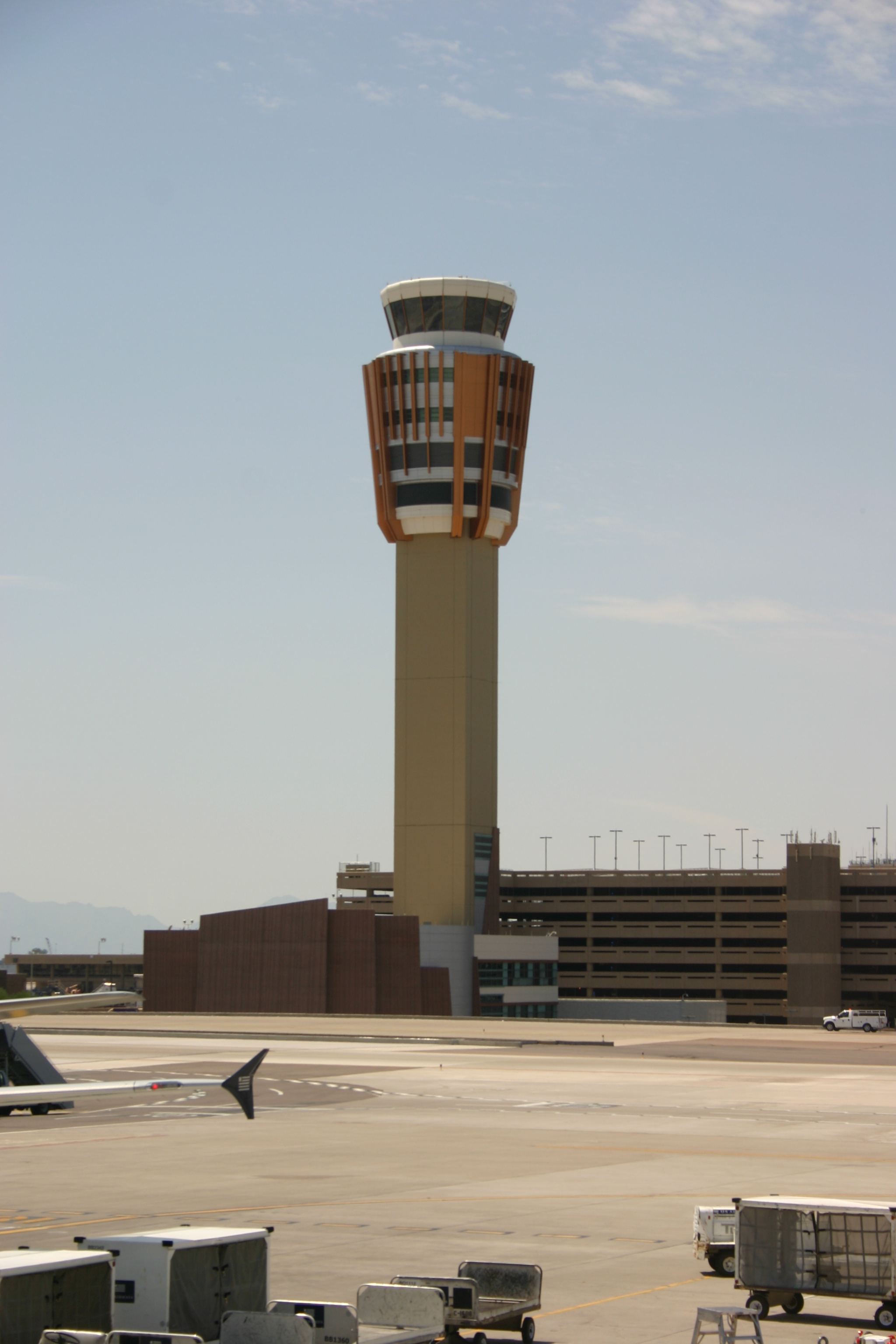
Phoenix is served by Phoenix Sky Harbor International Airport, conveniently located near downtown. The Desert Botanical Garden showcases Sonoran Desert plants in an outdoor museum setting. Camelback Mountain offers hiking with dramatic city views. Taliesin West, Frank Lloyd Wright's winter home and studio, is open for tours in Scottsdale. The Heard Museum presents Native American art and culture. Old Town Scottsdale offers galleries, restaurants, and Western kitsch. The Phoenix Art Museum is the Southwest's largest. Summer visits require heat strategy: do outdoor activities early morning, retreat to air conditioning midday, emerge again at sunset. The experience confronts visitors with the desert's beauty and the audacity of building a major city where summer kills.
From the Air
Located at 33.45°N, 112.07°W in the Salt River Valley of the Sonoran Desert. From altitude, Phoenix appears as an enormous urban grid surrounded by brown desert and punctuated by mountain parks - Camelback, Piestewa Peak, South Mountain visible as undeveloped rises within the metropolitan area. The Salt River bed traces through the city, usually dry. The agricultural land that once surrounded the city has been consumed by development extending toward the horizon. What appears from altitude as an improbably large desert city is exactly that - 5 million people living where the Hohokam tried and failed, sustained by technology, air conditioning, and water imported from rivers hundreds of miles away.