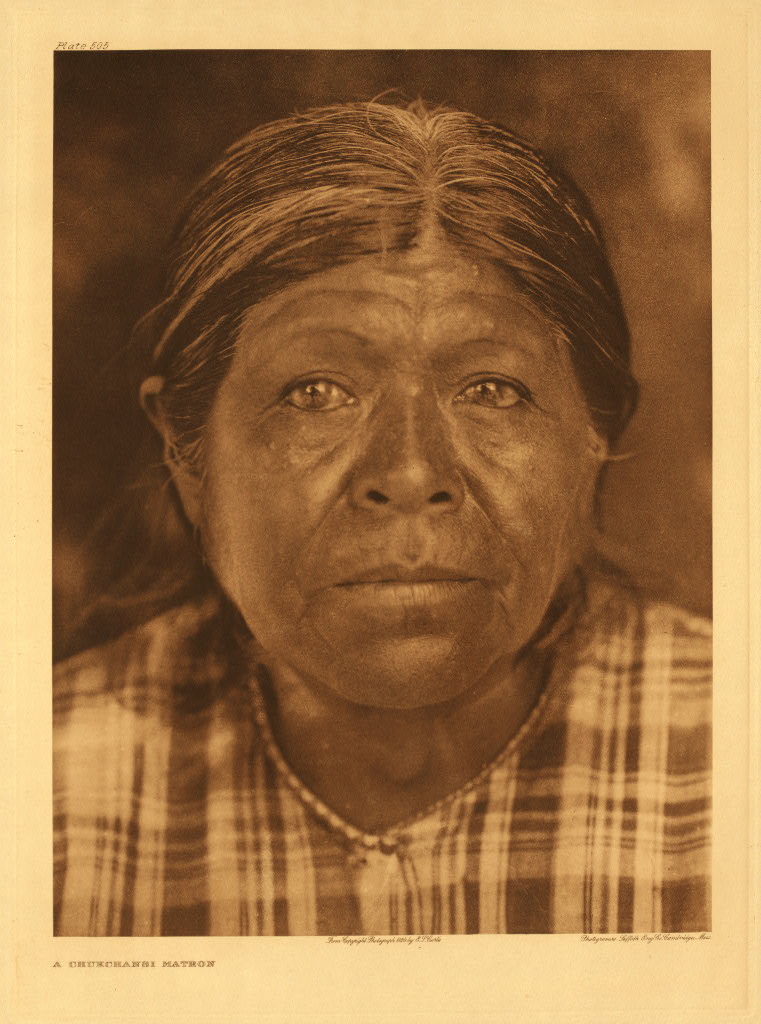
Picayune Rancheria of Chukchansi Indians
Only a handful of people alive can still speak the Chukchansi language. The tongue belongs to the Yokuts linguistic family, once spoken across roughly sixty distinct tribes scattered through the San Joaquin Valley and Sierra Nevada foothills. Today the Chukchansi words for acorn, fire, and river survive mainly in university recordings and the memories of elders whose tribal membership has, in some cases, been revoked by the very community those words helped define. The Picayune Rancheria of Chukchansi Indians, a 160-acre reservation near Coarsegold in Madera County, sits at the center of a story that stretches back twelve millennia and forward into questions about identity, sovereignty, and what happens when sudden wealth fractures a people already tested by centuries of dispossession.
Fire Keepers of the Foothills
Long before Spanish missionaries reached Central California, the Chukchansi managed these foothills with fire. They burned deliberately, clearing underbrush to flush game, encouraging the growth of seed-bearing grasses, and maintaining the oak groves that produced their most critical food source: acorns. Harvested in summer, the nuts were ground, leached of tannins, and cooked into mush or bread that sustained families through winter. Hunters used decoys to take waterfowl and deer, techniques refined over generations in a territory that stretched from the Sierra Nevada foothills through the Fresno and Chowchilla River valleys to the Tehachapi Mountains. The landscape was not wilderness in the European sense. It was a managed garden, shaped by thousands of years of intentional stewardship that European settlers would neither recognize nor respect.
Erased, Then Restored
Spanish missionaries arrived first, followed by American settlers who brought disease, displacement, and the California Gold Rush. The Chukchansi population collapsed. By the early twentieth century, the federal government began allocating small parcels to landless Native Californians, creating the rancherias. Picayune Rancheria was founded in 1912, a modest 160 acres near Coarsegold, about thirty miles north of Fresno. But federal recognition proved fragile. During the termination era, the Chukchansi lost their official status and much of their land. It was not until 1983 that federal recognition was reinstated, though the tribe initially had no land to call its own. Descendants of the Awani people from Yosemite Valley also enrolled in the Picayune Rancheria, adding another thread to a community already woven from resilience and loss.
The Casino and the Fracture
The Chukchansi Gold Resort and Casino opened in 2003, and money arrived faster than the governance structures built to manage it. Within a decade, the tribe had disenrolled more than half its members. Membership reportedly fell from around 1,800 to roughly 900 by 2013. Those expelled lost access to educational support, land rights, medical care, and casino income. Among the disenrolled were individuals with verified ancestry and some of the last fluent speakers of the Chukchansi language. The process was not quiet. In 2012, an election brought leaders opposed to disenrollment into power, but the sitting council disputed the results. Supporters of the new leaders occupied a tribal building. There were confrontations involving pepper spray and burning logs before law enforcement from Fresno and Madera Counties intervened. By 2014, the Bureau of Indian Affairs stepped in, reinstating the 2010 council as the last uncontested authority. Disenrollments continued in 2019 and 2023.
Words Against Silence
Against this turbulence, a quieter effort has persisted. Since 2009, the tribe has partnered with Fresno State's Department of Linguistics on the Chukchansi Yokuts Revitalization Project, racing to document and teach a language that has only a few native speakers left. In 2012, the tribe contributed one million dollars to the university program. A bilingual dictionary was published in 2023. The Picayune Rancheria Chukchansi Scholarship at Fresno State supports students with an interest in Native American culture, while early education programs work to pass cultural knowledge to the youngest generation. The irony is sharp: a tribe investing in language preservation while simultaneously expelling members who carry that language in their bones.
Sovereign and Unresolved
The Picayune Rancheria today operates from Coarsegold under a seven-member tribal council. Its economic footprint extends well beyond the casino floor. Tribal enterprises include a construction company with licenses in three states, a lumber wholesaler founded in 1953, a commercial interiors firm, and Chukchansi Crossing, a planned retail and travel center on Highway 41. The casino generated close to forty-four million dollars in revenue in 2022. The tribe holds naming rights to a ballpark in Fresno. From the air, the Sierra Nevada foothills around Coarsegold appear as they might have centuries ago: rolling golden grassland studded with blue oaks, creek beds cutting through granite. The land itself carries no trace of the conflicts playing out within the tribe's governance. But the questions the Chukchansi face are ones that sovereignty guarantees the right to answer internally, even when the answers divide a community against itself.
From the Air
The Picayune Rancheria is located at 37.21N, 119.70W in the Sierra Nevada foothills near Coarsegold, Madera County. From the air at 3,000 to 5,000 feet AGL, the landscape presents rolling oak-studded grassland typical of the foothill belt between the San Joaquin Valley floor and the higher Sierra. The Chukchansi Gold Resort and Casino complex is visible along Highway 41, approximately 30 miles north of Fresno. The nearest major airport is Fresno Yosemite International (KFAT), roughly 30 nautical miles to the south. Mariposa-Yosemite Airport (KMPI) lies to the northeast. Visibility is generally excellent in summer, with afternoon thermals common over the foothills.