Picher: America's Most Toxic Ghost Town
Picher, Oklahoma was built on lead and zinc. For decades, the mines produced wealth and jobs, creating a community of 20,000 in the northeast corner of Oklahoma. Then the mining stopped. What remained was catastrophe: 70 million tons of toxic mine tailings piled in chat piles throughout town, groundwater poisoned with heavy metals, children with blood lead levels four times the safe limit, ground so undermined by tunnels that buildings collapsed without warning. In 2006, the federal government offered buyouts. By 2009, Picher was officially dissolved. Today it's a ghost town with roads leading nowhere, foundations without buildings, and chat piles that will remain toxic for centuries. Picher didn't die. It was erased.
The Boom
Lead and zinc were discovered in the Picher area in 1914, sparking a mining rush that transformed farmland into an industrial zone. The Tri-State Mining District - spanning Oklahoma, Kansas, and Missouri - became one of the world's major lead and zinc producers. Picher boomed: company housing, schools, churches, the infrastructure of a permanent community. During both World Wars, the mines ran around the clock producing strategic metals. At peak production, Picher's mines employed thousands. The wealth seemed endless. The costs were invisible, accumulating underground and in children's blood.
The Poison
Mining produces waste. In Picher, that waste was piled throughout town in 'chat piles' - mountains of crusite rock laced with lead, zinc, and cadmium. Children played on the chat piles. Wind blew toxic dust into homes. Rain leached heavy metals into groundwater. By the 1980s, environmental testing revealed catastrophic contamination. Children showed blood lead levels causing neurological damage. The groundwater was undrinkable. The chat piles were classified as hazardous waste. Picher had been slowly poisoning its residents for decades. The mines that built the town were killing it.
The Collapse
The mines left more than poison - they left voids. Hundreds of miles of tunnels honeycomb the ground beneath Picher, some extending directly under homes and businesses. As groundwater levels changed and supports deteriorated, the surface began collapsing. Sinkholes opened in yards, under roads, through foundations. Engineers determined that 86% of the town sat above potentially unstable mine workings. Buildings could collapse without warning. The entire community was living above a maze of tunnels that might swallow them. The ground itself had become the enemy.
The Erasure
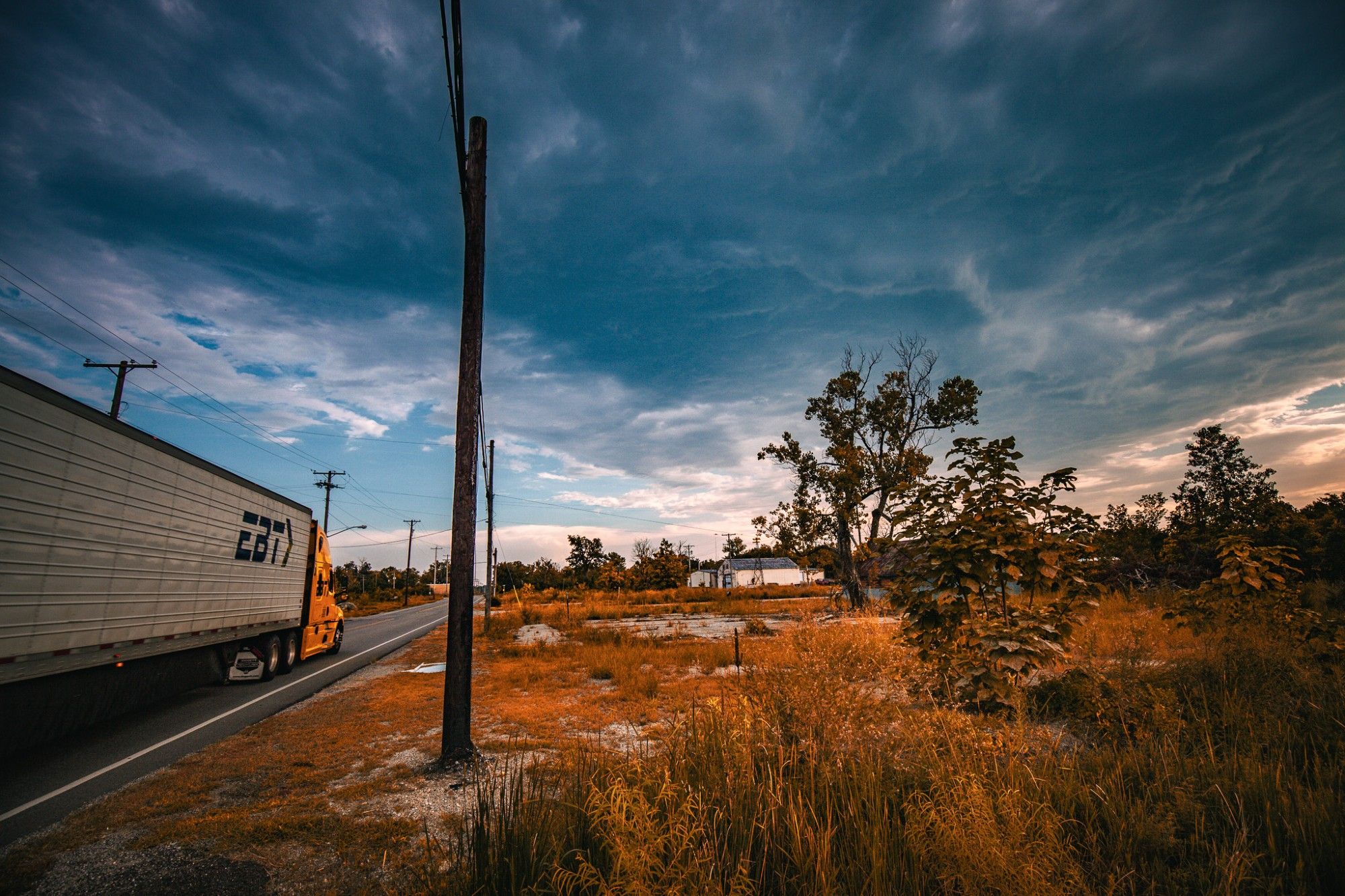
In 2006, the federal government offered buyouts to Picher residents - pay them to leave, then demolish the town. EPA had already declared the Tar Creek Superfund Site, with Picher at its center, one of the nation's most contaminated locations. Most residents accepted. The last residents left by 2009 when city operations ceased. Buildings were demolished. Infrastructure was abandoned. Picher was officially dissolved in 2013. Today, roads run through empty lots. Foundations mark where homes stood. The chat piles remain, too expensive to remove, fenced and posted with warnings. The town has been erased from everything except maps and memory.
Visiting Picher
Picher's remains are located in far northeastern Oklahoma, near the Kansas border. The town is technically uninhabited and officially dissolved; visiting is discouraged. Chat piles and contaminated areas pose health risks - do not touch or disturb the tailings. Former roads remain accessible but lead to empty lots and abandoned infrastructure. The Picher Mining Field Museum in nearby Commerce preserves artifacts from the mining era. Miami, Oklahoma has lodging and services. If you visit the former townsite, stay in your vehicle, don't linger, and absolutely don't let children play on the chat piles that look deceptively like normal gravel hills. The poison is invisible and permanent.
From the Air
Located at 36.98°N, 94.83°W in far northeastern Oklahoma, near the Kansas and Missouri borders. From altitude, Picher appears as a disturbing negative space - a grid of roads with nothing on them, foundations without buildings, chat piles standing as gray mountains in otherwise flat farmland. The Tar Creek Superfund Site extends well beyond the former town boundaries. Orange-stained creeks indicate acid mine drainage. The chat piles are visible for miles, artificial hills containing millions of tons of toxic waste. The surrounding landscape is green and agricultural; Picher is brown, abandoned, and poisoned. The contrast is stark: a place deliberately erased from the American landscape.