Pike's Peak Gold Rush
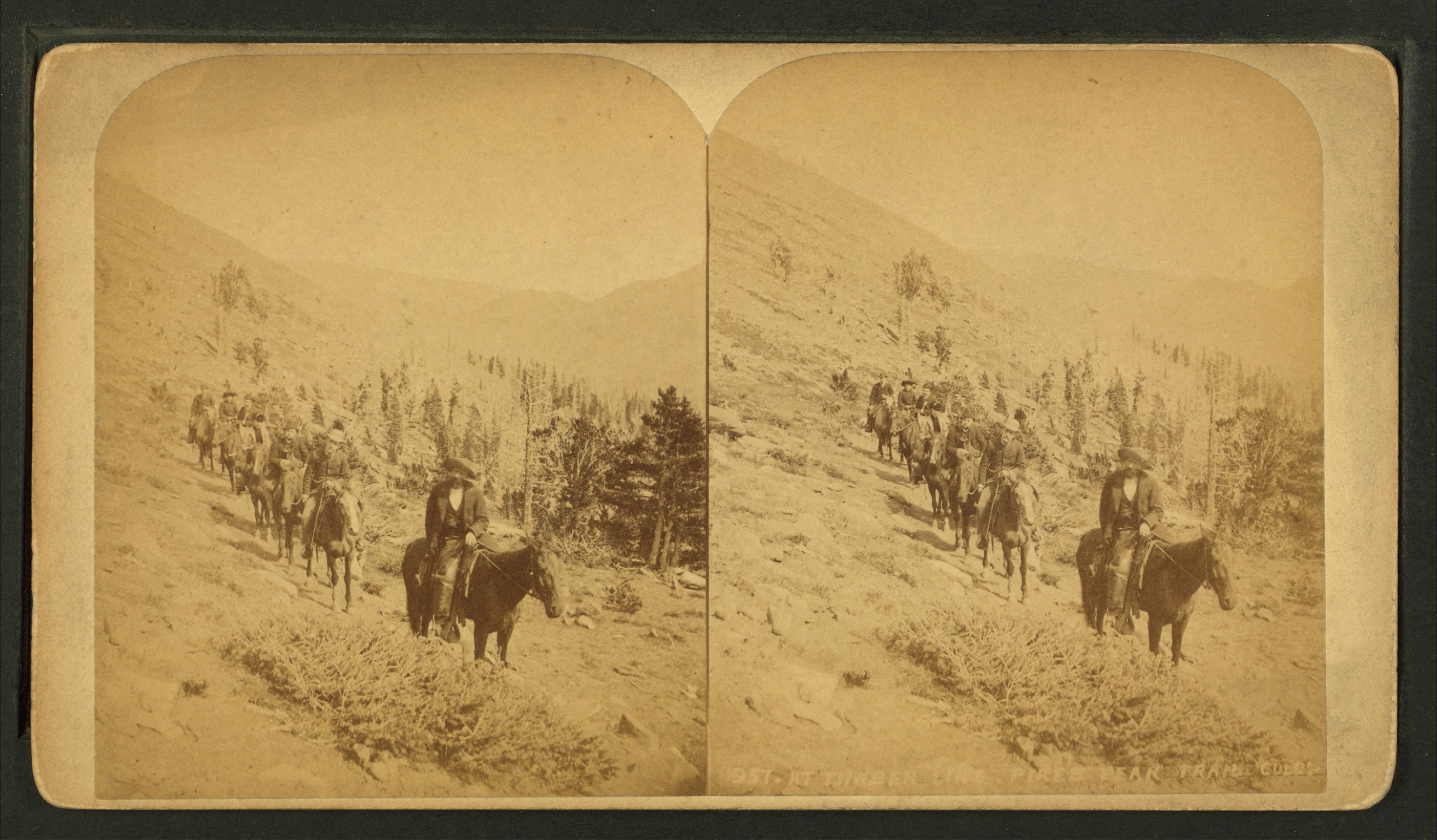
"Pike's Peak or Bust!" The slogan painted on covered wagons became the battle cry of desperation and hope for an estimated 100,000 gold seekers who flooded into the Rocky Mountain foothills between 1858 and 1861. Ironically, the rush centered not around Pike's Peak itself but some fifty miles to the north, where the South Platte River cuts through the mountains. The mountain was simply the most recognizable landmark on the horizon, a 14,115-foot beacon guiding prospectors westward across the endless prairie. What they found would transform a wilderness into cities, create the Colorado Territory, and establish the Denver Mint.
Whispers in the Mountains
Rumors of Rocky Mountain gold predated the rush by decades. In 1835, French trapper Eustace Carriere stumbled through the mountains for weeks after losing his party, collecting gold specimens that proved pure upon examination in New Mexico. But when he tried to lead an expedition back, his memory failed him, and the location remained a tantalizing mystery. The discovery of gold at Sutter's Mill in California in 1848 pulled America's attention westward, and discouraged prospectors returning from played-out California claims kept the Rocky Mountain rumors alive. Then, in the summer of 1857, Spanish-speaking gold seekers from Taos, New Mexico, began working placer deposits along the South Platte River near what is now Denver's Confluence Park.
The Strike That Changed Everything
In the first week of July 1858, prospectors Green Russell and Sam Bates found gold near the mouth of Little Dry Creek, in what is now the Denver suburb of Englewood. Their haul of twenty troy ounces, worth about $380 at the time and roughly $80,000 today, represented the first significant gold discovery in the Rocky Mountain region. News spread like wildfire across a nation still recovering from the Panic of 1857. By spring of 1859, thousands of Fifty-Niners were racing toward the Pike's Peak Country. Some, too impatient to wait for the snow to melt, departed in the winter of 1858, only to find themselves stranded and waiting for mining season. The frenzy spawned exaggerated claims and outright fraud, with promoters sending hopeful prospectors west on promises of gold that did not exist.
Cities Rising from Camps
The first decade of the boom transformed the landscape. Mining concentrated along the South Platte River, through the canyon of Clear Creek west of Golden City, at Breckenridge, and throughout South Park at Como, Fairplay, and Alma. Denver City, Golden City, and Boulder City grew from rough camps into substantial towns serving the mines. Smaller settlements like Auraria and Saint Charles City were absorbed into larger communities. By 1860, the rapid population growth forced Congress to create the Colorado Territory in 1861. While scores of mining camps eventually faded into ghost towns, others like Central City, Black Hawk, Georgetown, and Idaho Springs survived, their Victorian architecture now standing as monuments to the rush that built them.
From Gold Pan to Mint
Hardrock mining boomed for several years before declining in the mid-1860s as miners exhausted the shallow veins containing free gold. The deeper sulfide ores defied the amalgamation mills of the day. Yet the rush's output was staggering: Colorado produced 150,000 troy ounces of gold in 1861 and 225,000 troy ounces in 1862. By 1865, cumulative production reached 1.25 million ounces, sixty percent of which was placer gold. This torrent of precious metal led Congress to establish the Denver Mint, transforming the frontier boomtown into a permanent fixture of American finance. The rush had lasted barely three years, but its legacy, the cities, the territory, the mint, endures to this day.
From the Air
Located at 39.66N, 105.00W near present-day Englewood, Colorado. Best viewed from 5,000-8,000 feet AGL. Pike's Peak (14,115 feet) dominates the southwestern horizon. The South Platte River corridor marks the primary gold rush territory. Nearby airports: Centennial (KAPA), Denver International (KDEN), Rocky Mountain Metropolitan (KBJC). Mountain weather can change rapidly; watch for afternoon thunderstorms in summer months.