Pittsburgh: The Steel City That Cleaned Up Its Act
At noon on a day in 1940s Pittsburgh, the streetlights came on - the pollution from steel mills was that thick. The city that made America's steel was choking on the smoke from its furnaces, the rivers running with industrial waste, the air visible as orange-brown haze. Pittsburgh was industrial America at its most productive and most unlivable. Then the steel industry collapsed, taking jobs and pollution with it. The city that emerged is unrecognizable: clean air, revitalized riverfront, an economy based on universities and medical centers and tech companies rather than furnaces. Pittsburgh proves that post-industrial transformation is possible - though it required losing nearly half the population to get there.
The Steel
Pittsburgh's location at the confluence of the Allegheny, Monongahela, and Ohio Rivers made it ideal for heavy industry: coal from Appalachian mines could reach furnaces that shipped finished steel by river and rail. Andrew Carnegie built his empire here, acquiring and integrating steel production until U.S. Steel dominated the industry. The mills ran around the clock, their furnaces lighting the night sky, their smoke darkening the day. Pittsburgh steel built bridges, railroads, skyscrapers - the physical infrastructure of industrial America. By the 1980s, the industry was collapsing: foreign competition, aging plants, and changing economics closed mill after mill. The jobs didn't come back; the smoke didn't either.
The Transformation
Pittsburgh's reinvention began before the steel collapse. The University of Pittsburgh Medical Center (UPMC) grew from academic hospital to healthcare empire; Carnegie Mellon developed robotics and computer science programs that spawned startups. When the mills closed, the institutions were ready to absorb displaced workers (or at least their children). The city that once manufactured steel now manufactures medical services, software, and educated graduates. Google, Apple, and Uber have offices here; autonomous vehicle testing happens on Pittsburgh streets. The transformation is incomplete - former mill towns in the surrounding region never recovered - but the core city demonstrates that Rust Belt revival is possible.
The Bridges
Pittsburgh has 446 bridges - more than any other city in the world, including Venice. The three rivers and their ravine-cut tributaries demand bridges; the hills demand yet more. The bridges range from iconic (the yellow 'Three Sisters' spanning the Allegheny) to functional (countless neighborhood spans over creeks and gullies). The topography that made Pittsburgh ideal for industry - rivers for transport, hills for mining - also made it challenging for development. The bridges solve the problem, stitching together neighborhoods separated by water and elevation into a coherent city.
Carnegie's Legacy
Andrew Carnegie gave away 90% of his fortune - roughly $350 million (billions in today's dollars) - funding libraries, universities, and cultural institutions. The Carnegie Library of Pittsburgh was one of nearly 3,000 libraries he funded worldwide. Carnegie Mellon University bears his name; the Carnegie Museums of Pittsburgh (natural history and art) anchor Oakland's cultural district. The philanthropy was controversial then and now: Carnegie's mills used Pinkerton strikebreakers at Homestead in 1892, leaving workers dead. The libraries were built with money extracted from labor; whether the gift compensates for the extraction remains debated. The institutions, regardless, transformed Pittsburgh.
Visiting Pittsburgh
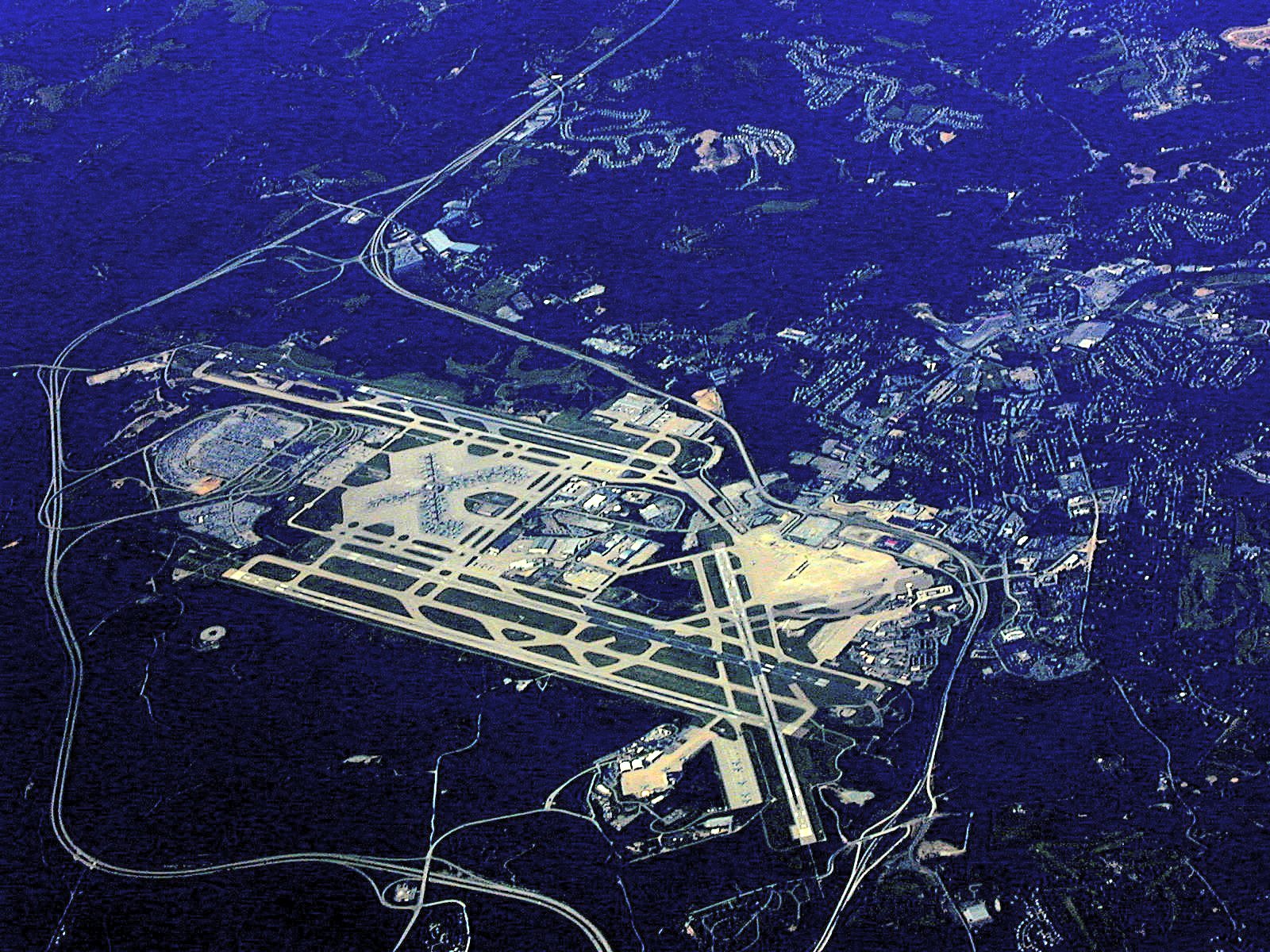
Pittsburgh is served by Pittsburgh International Airport. The view from Mount Washington - accessible by incline railway - overlooks the Point where the rivers meet and the downtown skyline rises. The Andy Warhol Museum, world's largest single-artist museum, honors Pittsburgh's native son. The Carnegie Museums in Oakland offer natural history and art. The Strip District's produce markets and restaurants are busiest on Saturday mornings. Primanti Brothers serves sandwiches with fries and coleslaw inside the bread - essential Pittsburgh eating. The rivers are increasingly accessible; kayaking and riverboat tours show the city from water level. The experience rewards appreciation for transformation - a city that went from darkest industrial to livable and interesting.
From the Air
Located at 40.44°N, 79.99°W at the confluence of the Allegheny and Monongahela Rivers, which form the Ohio. From altitude, Pittsburgh's three rivers are immediately visible, the Point where they meet anchoring downtown. The bridges are numerous - 446 of them, visible as spans crossing water and valleys. The hills that defined the city's geography are apparent in the irregular development patterns. Former mill sites line the rivers, some redeveloped, some still industrial. What appears from altitude as a city shaped by water and topography is the former steel capital of America - transformed from industrial powerhouse to something different, its air now clear, its economy rebuilt.