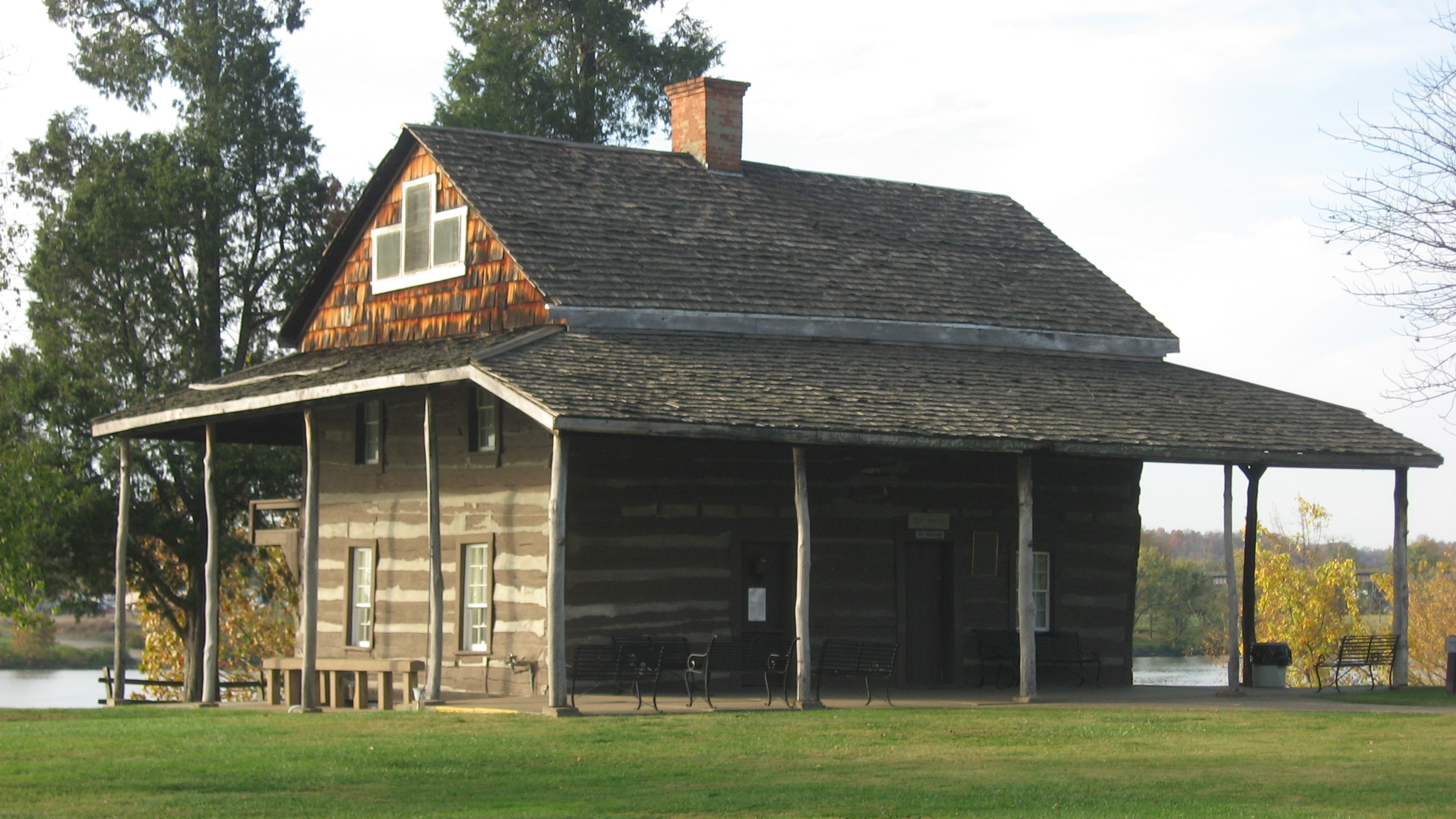
Point Pleasant Mothman
From November 1966 to December 1967, residents of Point Pleasant, West Virginia, reported encounters with something inexplicable: a large, humanoid creature with enormous wings and glowing red eyes. Witnesses described it lurking near the abandoned TNT factory, chasing cars at over 100 miles per hour, and appearing on rooftops throughout the town. Newspapers called it the Mothman. Investigators ranged from serious researchers to UFO enthusiasts. Then, on December 15, 1967, the Silver Bridge connecting Point Pleasant to Ohio collapsed during rush hour traffic, plunging forty-six people to their deaths in the Ohio River. The Mothman sightings stopped. Some saw the creature as an omen of disaster; others suggested it might have caused the collapse; skeptics proposed sandhill cranes or collective hysteria. Whatever it was, the Mothman has made Point Pleasant famous. The town now hosts an annual Mothman Festival, a Mothman Museum, and a twelve-foot Mothman statue downtown, embracing its role as America's cryptid capital.
The Sightings
The first widely reported Mothman sighting occurred on November 15, 1966, when two young couples driving near an abandoned World War II munitions plant known as the TNT Area encountered a large gray creature with glowing red eyes. They fled in their car; the creature followed, keeping pace at speeds over 100 miles per hour. The story made the front page of the local newspaper, and more witnesses came forward. A man claimed the creature had landed on his car. A woman said she saw it standing in her yard. Volunteer firemen reported something circling the TNT Area. Some encounters were brief; others involved prolonged terror. Descriptions varied in details but agreed on the essentials: gray or brown coloring, wings, approximately seven feet tall, and those distinctive red eyes. The sightings concentrated around the TNT Area and the McClintic Wildlife Management Area, former government land still scattered with abandoned bunkers and igloos from its wartime past.
The Investigation
The Mothman attracted attention from multiple quarters. Local police investigated, finding little evidence. Wildlife officials suggested the creature might be a sandhill crane or a large owl, though witnesses insisted what they saw was far larger than any known bird. UFO researchers arrived, noting that Point Pleasant was also experiencing unusual lights in the sky. John Keel, a journalist specializing in the paranormal, spent over a year investigating, interviewing hundreds of witnesses, and documenting phenomena ranging from Mothman sightings to Men in Black encounters to electronic disturbances. His 1975 book 'The Mothman Prophecies' connected the sightings to the bridge disaster, suggesting the creature was a harbinger or cause of the coming tragedy. The book made Point Pleasant famous and established the Mothman as a permanent fixture of American cryptozoology.
The Silver Bridge
At 5:04 PM on December 15, 1967, during the Christmas shopping rush, the Silver Bridge between Point Pleasant and Gallipolis, Ohio, collapsed without warning. The eyebar chain suspension bridge, built in 1928, failed catastrophically when a single eyebar cracked due to stress corrosion. Thirty-one vehicles plunged into the freezing Ohio River. Forty-six people died; nine were never recovered. The disaster prompted nationwide inspection of similar bridges and new federal bridge inspection requirements. For believers in the Mothman, the connection was obvious: the creature had appeared to warn of the coming disaster, or had somehow caused it, or had been created by the same forces that doomed the bridge. For skeptics, the timing was coincidence - sightings had already been declining before the collapse. What's undeniable is that after December 15, 1967, the Mothman sightings essentially stopped.
The Legend Grows
The Mothman might have faded into obscurity if not for John Keel's book and its 2002 film adaptation starring Richard Gere. The movie fictionalized the events but brought the Mothman story to a global audience. Point Pleasant, which had suffered economically since the bridge collapse, began to embrace its cryptid connection. The Mothman Museum opened in 2005, displaying newspaper clippings, props from the movie, and evidence of other alleged paranormal phenomena. Local artist Bob Roach created the twelve-foot Mothman statue that now stands on Main Street, a gleaming chrome figure with wings spread and red eyes glowing - strange public art for a strange story. The annual Mothman Festival, held each September, draws thousands of enthusiasts for lectures, vendor booths, guest speakers from paranormal TV shows, and tours of the TNT Area where the sightings began.
Visiting Point Pleasant
Point Pleasant lies at the confluence of the Ohio and Kanawha Rivers in Mason County, West Virginia. The Mothman Museum on Main Street offers exhibits on the original sightings, the Silver Bridge disaster, and related paranormal claims. The Mothman statue stands outside on the adjacent block. A memorial to the Silver Bridge victims marks where the bridge once stood. The TNT Area, now part of the McClintic Wildlife Management Area, can be explored on foot, though the bunkers where the Mothman allegedly lurked are officially off-limits. The annual Mothman Festival in mid-September is the peak visitor period; book accommodations well in advance. Outside of cryptid tourism, Point Pleasant offers Tu-Endie-Wei State Park, commemorating the 1774 Battle of Point Pleasant, considered by some historians the first battle of the Revolutionary War. Charleston, West Virginia, is 55 miles southeast; Yeager Airport (CRW) provides the closest commercial flights.
From the Air
Located at 38.84°N, 82.14°W at the confluence of the Ohio and Kanawha Rivers in western West Virginia. From altitude, Point Pleasant appears where the two rivers meet, with the site of the former Silver Bridge visible as the crossing point. The TNT Area lies several miles north. Gallipolis, Ohio sits across the river. The Appalachian hills rise on all sides.