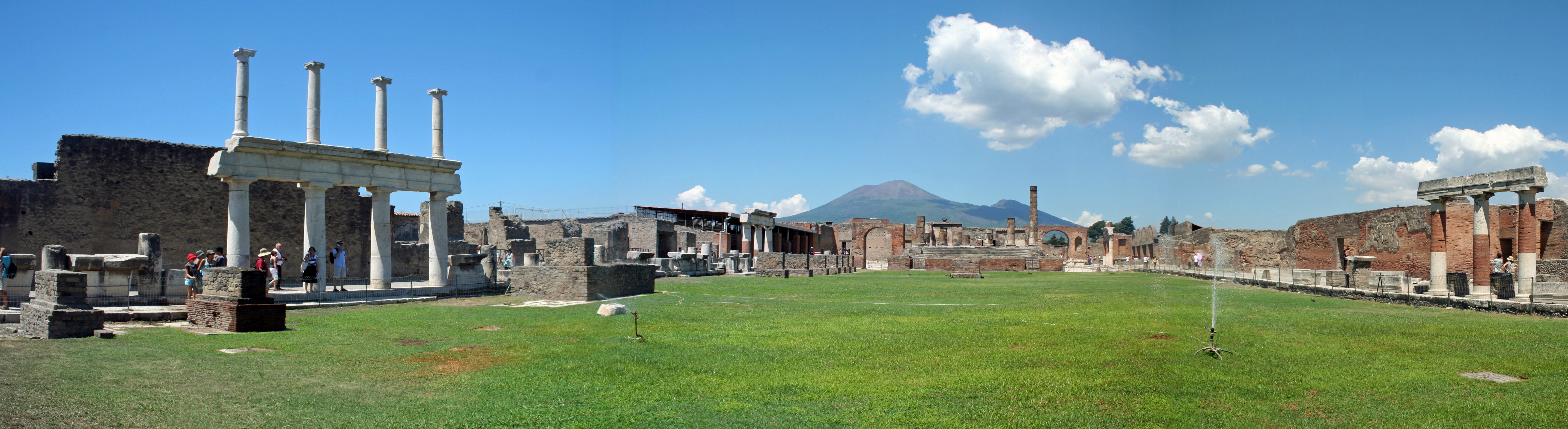
The Graffiti of Pompeii: Ancient Rome's Bathroom Walls
When archaeologists excavated Pompeii, they found something unexpected alongside the grand frescoes and marble statues: graffiti. Thousands of scrawled messages covered the city's walls - crude jokes, political endorsements, declarations of love, complaints about ex-lovers, and notices about stolen property. 'Secundus defecated here,' reads one. 'Gaius was here. He loves Fulvia,' reads another. The graffiti of Pompeii proves that human nature hasn't changed in 2,000 years. The same impulses that make people scrawl on bathroom stalls today drove Romans to carve into plaster with nails. Pompeii's walls are history's oldest comment section.
The Messages
Over 11,000 graffiti inscriptions have been documented in Pompeii and nearby Herculaneum. They appear everywhere - on tavern walls, bathhouse changing rooms, brothel doorways, and the facades of wealthy homes. Some were carefully carved; others were scratched with fingernails or charcoal.
The content ranges from the mundane to the profound. 'I made bread on April 19,' notes one baker. 'If anyone does not believe in Venus, they should gaze at my girl friend,' boasts a lover. 'Aufidius was here. Goodbye,' writes a traveler. Each scrawl offers an unfiltered glimpse into Roman daily life.
The Politics
Pompeian walls functioned like campaign billboards. Electoral endorsements cover building facades: 'All the fruit sellers with Helvius Vestalis ask for your vote for Marcus Holconius Priscus as mayor.' Political insults appear too: 'All the late-night drinkers support Marcus Cerrinius Vatia for the aedileship.'
The graffiti reveals how Roman elections worked - candidates needed public endorsements from guilds and businesses. The fruit sellers' endorsement actually meant something. Political satire flourished: 'The petty thieves support Vatia for mayor' was probably an insult from a rival's supporters.
The Love
Love and sex dominate Pompeii's graffiti. Declarations of passion cover walls: 'Satura was here on September 3rd. Secundus loves Hermes.' Heartbreak appears too: 'O walls, you have held up so much tedious graffiti that I am amazed that you have not already collapsed in ruin.'
Brothel walls contain price lists and customer reviews. Bathhouse changing rooms feature boasts about sexual conquests. A poignant note reads: 'Whoever loves, let him flourish. Let him perish who knows not love. Let him perish twice over whoever forbids love.' Love made Romans poetic - and vulgar.
The Crude
Much of Pompeii's graffiti is unprintably crude. Penis drawings appear on walls, doorways, and even on pavement stones. Toilet graffiti rivals anything in modern rest stops: 'Apollinaris, the doctor of Emperor Titus, defecated well here.' Another simply notes: 'Secundus defecated here.'
Insults were common: 'Chie, I hope your hemorrhoids rub together so much that they hurt worse than they ever have before.' Romans were not subtle. Their graffiti captures humanity at its most base and its most honest - the thoughts people have always had but rarely recorded for posterity.
The Legacy
Pompeii's graffiti offers historians something rare: the unfiltered voices of ordinary Romans. Literary sources come from elites writing for educated audiences. Graffiti comes from everyone - enslaved people, freedmen, shopkeepers, soldiers, prostitutes. Their concerns were immediate: love, money, politics, bowel movements.
The graffiti has been cataloged in the Corpus Inscriptionum Latinarum. Scholars study the messages for insights into Roman society, Latin usage, and daily life. But the graffiti also serves a simpler purpose: it makes the ancient world human. Romans made bad puns, drew dirty pictures, and wrote 'I was here' on walls. They were just like us.
From the Air
Pompeii's graffiti is found throughout the archaeological site (40.75N, 14.49E) at the foot of Vesuvius. Naples International Airport (LIRN) is 25km northwest. The excavated city covers about 170 acres. The brothel (lupanar) and various taverns contain the most concentrated graffiti. Herculaneum, 15km northwest, has additional examples.