Port of Redwood City
The first schooner ever built on the Pacific West Coast slid into the water here in 1851. Her builder, G.M. Burnham, named her Redwood, after the coast redwoods that Robert O. Tripp and Mathias A. Parkhurst had been floating down Redwood Creek from Woodside to San Francisco since the previous year. Those two men, by establishing the first lumber operation on these waterways, effectively founded Redwood City itself. The Port of Redwood City has been reinventing its purpose ever since.
Birthplace of West Coast Shipbuilding
Shipbuilding thrived at the port through the second half of the nineteenth century. The last wooden vessel built in Redwood City, the Perseverance, launched in 1883, but the industry experienced an unexpected revival decades later. In 1918, the port saw the construction of the SS Faith, the first concrete ship built in America. The port was known as El Embarcadero through at least the 1880s, when the U.S. Army Corps of Engineers began dredging a channel between 1886 and 1889, initially just 7 feet deep and 50 feet wide. By 1931, local and federal interests had combined to deepen the channel to 20 feet and widen it to 200 feet over a distance of more than 13,000 feet, transforming a creek-side landing into a genuine deepwater facility.
Industry on the Marshes
Local businessmen formed the Redwood City Harbor Company in 1912, but competition from the railroad limited the port's early-twentieth-century growth. Industrial companies eventually recognized the advantages of the location. The Alaska Codfish Company and the Morgan Oyster Company set up operations, and when the Pacific-Portland Cement Company moved to the port in 1924, shipping activity increased substantially. Today, industrial tenants include Cemex, a cement plant, and Sims Metal Management, a metal recycler. In 1966, a napalm manufacturing plant was opened by United Aircraft despite organized protests by students and local residents. The port area has since diversified, with the Portside Business Park housing non-industrial businesses alongside the working waterfront.
Where Bay Mud Meets Open Water
The Port of Redwood City holds a distinction among California ports: it is the only major port with significant expanses of natural habitat in its immediate proximity. Extensive areas of marshland and bay mud surround the facility. Westpoint Slough joins Redwood Creek about 600 meters north of the port, while Deepwater Slough forms a U-shaped channel with both ends connecting to Redwood Creek. Further north, Corkscrew Slough enters from the northwest, and beyond that confluence, the northwest bank of Redwood Creek becomes Bair Island, a broad expanse of saltwater marsh and salt evaporation ponds. Water temperatures in the slough run up to the low seventies by mid-summer, sometimes 10 degrees warmer than the northern and central sections of San Francisco Bay.
A Harbor for Recreation and Emergency
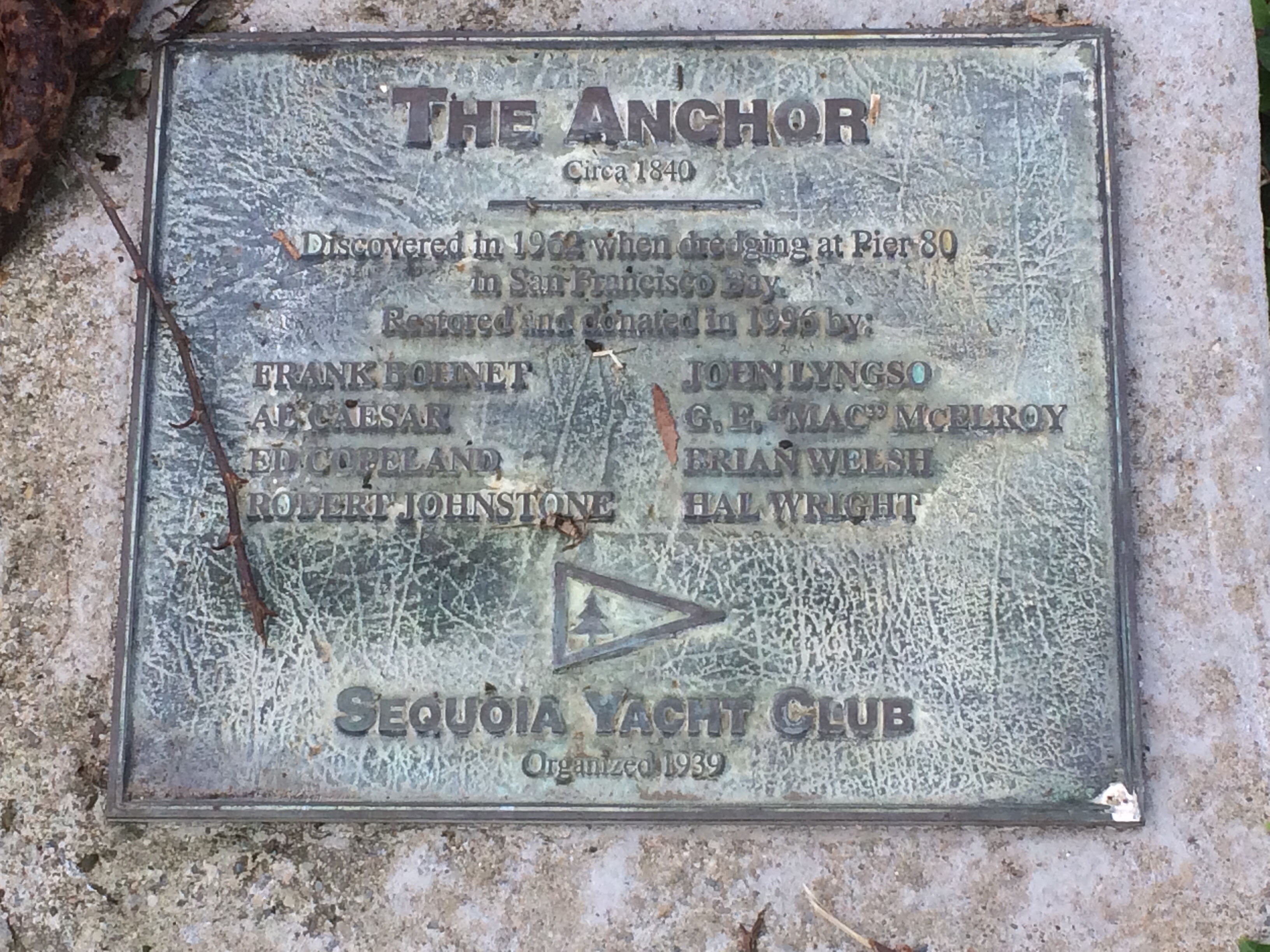
The working port coexists with more than a mile of public waterfront access along Redwood Creek, including walkways, viewing areas, and picnic spots. The 190-berth Redwood City Marina accommodates vessels up to 50 feet in length with 10 feet of draft at low tide. The Sequoia Yacht Club, founded in 1939, and the Peninsula Yacht Club call the port home, as does Stanford University's Rowing and Sailing Center. In 2007, Governor Arnold Schwarzenegger unveiled a plan for emergency water transit across San Francisco Bay, inspired by New York City's harbor service after September 11, 2001. The Port of Redwood City, strategically positioned between the Dumbarton Bridge and the San Mateo Bridge, was designated as a crucial link in the proposed system, capable of serving about 1,400 regular passengers daily.
From the Air
Located at 37.51°N, 122.21°W on the western shore of South San Francisco Bay. San Carlos Airport (KSQL) is approximately 2 miles southwest. The port and Redwood Creek channel are clearly visible from altitude, with the distinctive pattern of salt ponds and marshland at the creek mouth. Bair Island and its salt evaporation ponds provide strong visual reference.