Port Townsend
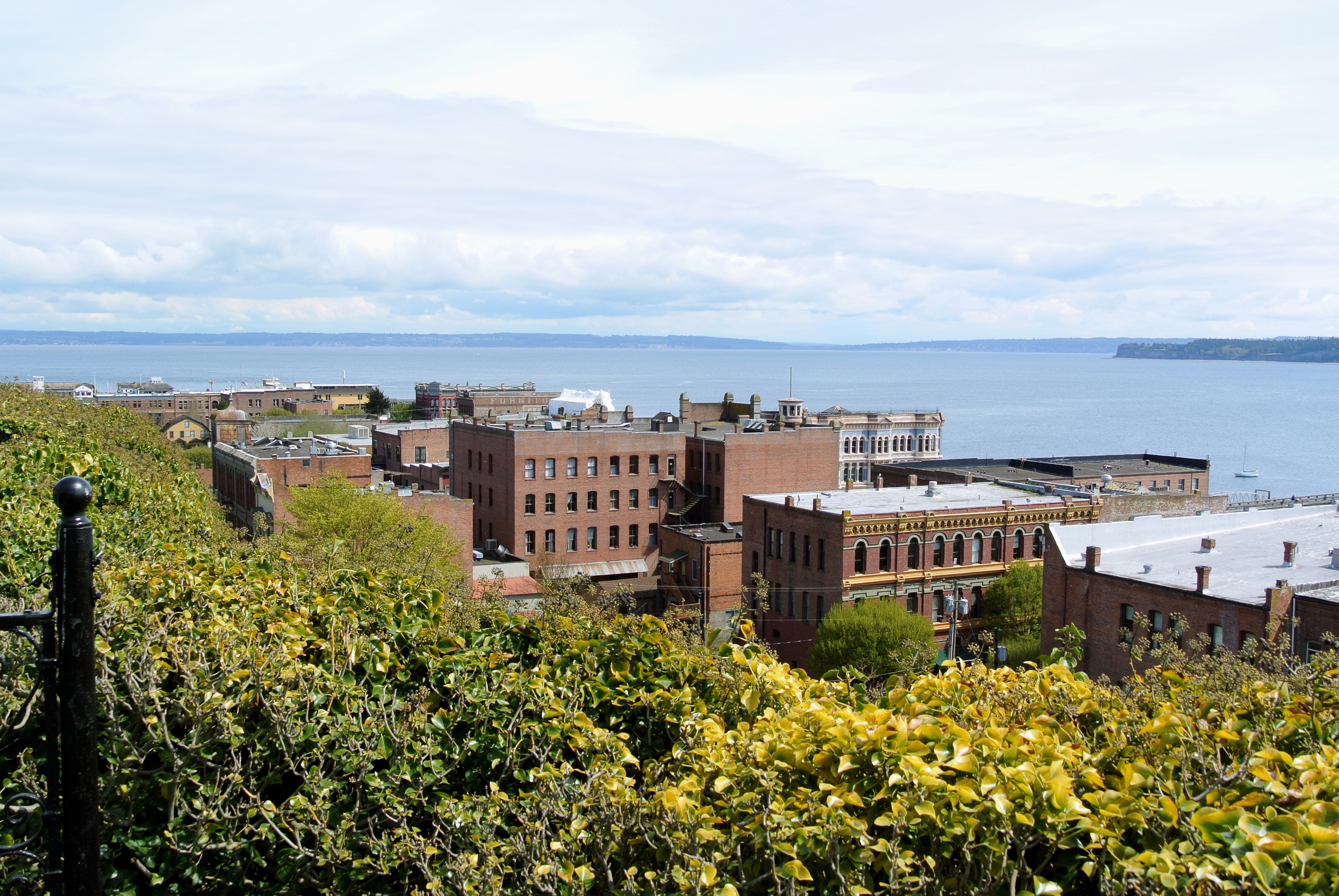
Port Townsend looks like a movie set, and in fact it has been one - repeatedly. The Victorian buildings that line Water Street and climb the bluff above the harbor remain so perfectly preserved that Hollywood regularly chooses this small town of 10,000 when it needs 19th-century atmosphere. The storefronts with their ornate cornices, the sea captains' mansions with their widow's walks, the brick warehouses that once stored goods for ships bound around the world - all survive because Port Townsend's boom ended in 1890 and the bust that followed saved the buildings from modernization. Today, this accidental preservation has become the town's greatest asset, drawing visitors who want to experience what a Pacific Northwest seaport looked like before the 20th century arrived.
The Failed City of Dreams
Port Townsend was supposed to become the great city of the Pacific Northwest. In the 1880s, boosters were certain the transcontinental railroad would terminate here, making the town the region's dominant port. Money poured in. Grand buildings rose. Investors bought land at inflated prices. And then the railroad chose Tacoma instead, and the boom collapsed overnight.
The crash preserved what ambition had built. With no money for demolition or replacement, the Victorian buildings simply remained, aging gracefully while other cities modernized. When historic preservation became fashionable a century later, Port Townsend had what other towns had destroyed: an intact 19th-century downtown and residential district, protected by poverty until taste caught up. Today, the irony is apparent - failure made preservation possible, and preservation made the town's modern economy.
Two Towns in One
Port Townsend divides into upper and lower sections, each with its own character. Downtown, at water level, occupies the commercial district that served the shipping trade - hotels, saloons, ship chandleries, buildings where sailors could spend their wages and merchants could outfit vessels. The buildings are brick and stone, built to last, their upper floors now apartments and offices.
Uptown, on the bluff above, the residential district spreads along tree-lined streets, its Victorian homes featuring towers, bay windows, and elaborate woodwork that local craftsmen created to demonstrate their skills. The climb between the two levels once separated commerce from respectable society. Today, the two districts feel like different eras - downtown bustling with shops and restaurants, uptown quiet and residential, both frozen in the 1890s but living in the present.
The Maritime Revival
Port Townsend has become a center for traditional maritime crafts, not as museum display but as living practice. The Northwest Maritime Center, occupying the waterfront, teaches wooden boat building, sailing, and maritime skills to students from around the country. The Wooden Boat Festival, held each September, draws hundreds of classic vessels and thousands of enthusiasts.
The town's shipyards repair and build boats as they have for over a century. Sailmakers cut canvas in lofts above downtown streets. Riggers and marine carpenters practice trades that have nearly vanished elsewhere. This isn't nostalgia - it's economic activity, training programs that produce skilled workers, events that draw tourism dollars. Port Townsend has found a way to make its maritime heritage productive, connecting historical identity to contemporary livelihood.
Fort Worden and the Military Era
At the tip of the peninsula that shelters Port Townsend's harbor, Fort Worden's gun emplacements once guarded the entrance to Puget Sound. Built in the 1890s as part of a 'Triangle of Fire' designed to repel naval attack, the fort never fired a shot in anger. Its massive batteries, now disarmed, offer exploration opportunities - tunnels to investigate, parapets to climb, bunkers that echo with imagined history.
The fort became a state park in 1973 and has evolved into a retreat center and performance venue. Centrum, the arts organization based here, hosts festivals, workshops, and residencies that draw musicians, writers, and artists. The officers' quarters have become vacation rentals. The parade ground hosts outdoor concerts. It's a conversion that works because the setting is spectacular - commanding views of Admiralty Inlet, the Olympics rising to the south, ships passing bound for Seattle or the open Pacific.
The Arts Community
Port Townsend attracts artists the way certain places always have - affordable space, natural beauty, distance from distraction. Galleries occupy downtown storefronts. Writers have found the isolation productive. Musicians gravitate toward the regular sessions at local bars. The creative population exceeds what a town of 10,000 would normally support, drawn by something in the light or the water or the combination of history and landscape.
The town's cultural calendar reflects this concentration. Film festivals, literary events, music performances, art walks - the schedule stays busy year-round. The historic buildings provide venues with character no modern construction could match. And the community has achieved that elusive balance: enough activity to feel vital, not so much that the small-town atmosphere is overwhelmed. Port Townsend offers proof that arts communities can flourish far from urban centers, given the right combination of beauty, accessibility, and historical accident.
From the Air
Located at 48.12°N, 122.76°W on the northeastern tip of the Olympic Peninsula. The town occupies a peninsula jutting into Admiralty Inlet. The distinctive Victorian architecture is visible as a compact historic downtown on the waterfront with residential areas climbing the bluff above. Fort Worden's structures are visible at Point Wilson, the peninsula's northern tip. The ferry terminal connects to Coupeville on Whidbey Island (visible across Admiralty Inlet). Mount Baker is visible to the northeast; the Olympics rise to the south. Nearest airports: Jefferson County International (0S9), Seattle-Tacoma (KSEA) 60nm southeast. The strait can generate strong winds, particularly in the afternoon.