Portsmouth: New Hampshire's Colonial Seaport
New Hampshire's coastline is short - just 18 miles, the least of any coastal state. Portsmouth concentrates that coastline's character: a colonial seaport founded in 1623, one of the oldest European settlements in America, where Georgian and Federal houses line streets laid out when this was still an English colony. The Portsmouth Naval Shipyard (technically in Maine, across the Piscataqua River) launched the USS Squalus, America's first submarine, and has built warships since 1800. The Treaty of Portsmouth, ending the Russo-Japanese War in 1905, was signed at the Naval Shipyard - winning Theodore Roosevelt the Nobel Peace Prize. Portsmouth itself is small and walkable, its brick sidewalks and clapboard houses creating the New England seaport that photographs better than any other.
Colonial Survivor
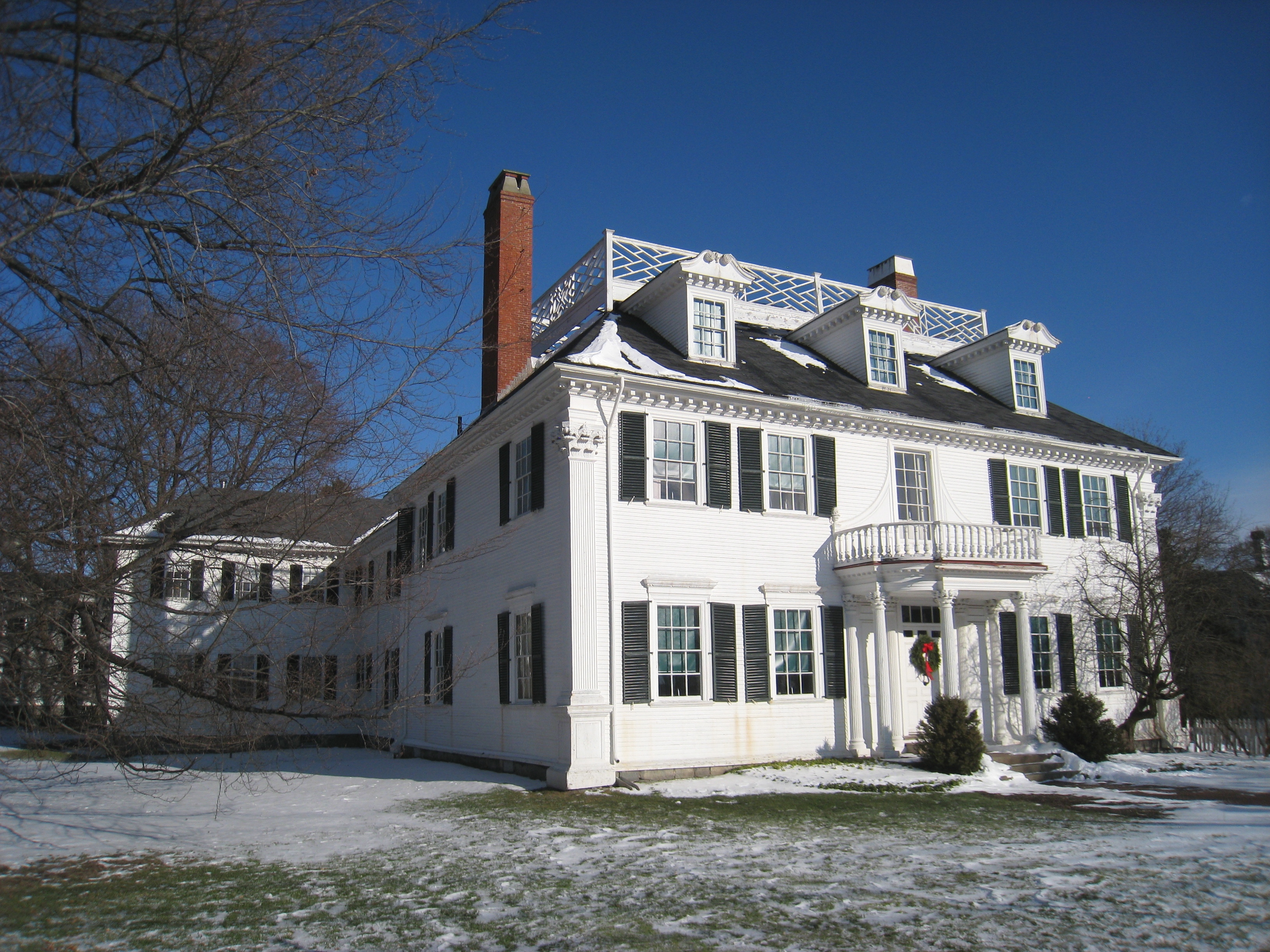
Portsmouth was founded in 1623, making it one of the oldest cities in the United States. The colonial architecture survived - Strawbery Banke Museum preserves 37 historic houses spanning 400 years, from the 17th century to World War II. The houses weren't gathered from elsewhere; they stand where they were built, creating a living neighborhood that happens to be a museum. The Warner House (1716) is one of the oldest brick urban houses in New England; the Moffatt-Ladd House (1763) preserves both the mansion and its terraced gardens. Portsmouth's historic preservation happened early, before urban renewal could demolish, before parking lots could replace. What survives is genuine.
The Naval Shipyard
The Portsmouth Naval Shipyard sits on Seavey's Island in the Piscataqua River, technically in Maine but historically Portsmouth's. The yard opened in 1800, built the USS Squalus (the Navy's first submarine) in 1903, and continues to maintain and overhaul submarines. The Treaty of Portsmouth, ending the 1904-1905 Russo-Japanese War, was negotiated at the Naval Shipyard - a surprising location for international diplomacy, chosen partly for its remoteness from press scrutiny. Theodore Roosevelt brokered the peace and won the Nobel Peace Prize; the treaty's signing occurred at the shipyard's Building 86. Portsmouth's naval heritage runs deep, though the shipyard itself is closed to public access.
Market Square
Market Square has been Portsmouth's commercial center since colonial times - the North Church overlooking a space where merchants, craftspeople, and farmers gathered. Today the square is surrounded by restaurants, galleries, and shops, the independent businesses that define small-city character. Congress Street and Pleasant Street extend the commercial district, brick storefronts housing restaurants that would be notable in larger cities. The Portsmouth Athenaeum, a private library founded in 1817, opens its reading room to visitors. The Music Hall, built as an opera house in 1878, hosts concerts, films, and theater. Portsmouth punches above its weight culturally, the benefit of being New Hampshire's only significant city before Boston's orbit takes over.
Isles of Shoals
The Isles of Shoals lie six miles offshore, a cluster of nine islands split between Maine and New Hampshire. Star Island hosts the Star Island Conference Center, where Unitarian Universalists and United Church of Christ congregants have gathered since 1896. The lighthouse-dotted islands have a darker history: Smuttynose Island was the site of the 1873 Isles of Shoals murders, later fictionalized by Anita Shreve. Ferries from Portsmouth run in summer, offering tours and access to Star Island. The islands appear timeless - granite, wind, and ocean - a stark counterpoint to Portsmouth's gentle urban preservation.
New England Perfected
Portsmouth has no commercial airport; Boston Logan (60 miles south) or Portland (55 miles north) serve the region. The Downeaster Amtrak train connects Portland to Boston with stops in Durham, 12 miles from Portsmouth. The town is entirely walkable; parking is limited but manageable. Prescott Park along the waterfront hosts summer concerts and gardens. The Children's Museum of New Hampshire occupies a historic building downtown. From altitude, Portsmouth appears as compact colonial development at the mouth of the Piscataqua River - the Naval Shipyard visible on its island, the bridges connecting New Hampshire to Maine, the historic core intact. New England as it should look, surviving where elsewhere was demolished.
From the Air
Located at 43.07°N, 70.76°W at the mouth of the Piscataqua River where New Hampshire meets Maine. From altitude, Portsmouth appears as a compact historic town on the river's western bank, bridges spanning to Maine, the Naval Shipyard on its island. The Isles of Shoals are visible offshore. What appears from the air as a small New England seaport is colonial Portsmouth - where 400-year-old houses survive, where submarines have launched since 1903, and where New Hampshire's brief coastline concentrates its character.