Porvenir Massacre (1918)
In the early morning darkness of January 28, 1918, the women of Porvenir watched as Texas Rangers led their husbands, fathers, sons, and brothers up a nearby hill. Fifteen males, including two boys, were separated from the rest of the village. Then came the gunshots. The 140 surviving villagers abandoned Porvenir within days, crossing the Rio Grande to bury their dead in Mexico. The village itself was razed by U.S. Army soldiers shortly after. For decades, the massacre was buried in official silence. It would take a hundred years before descendants gathered in San Antonio and Austin to commemorate what happened on that hillside.
Suspicion Without Evidence
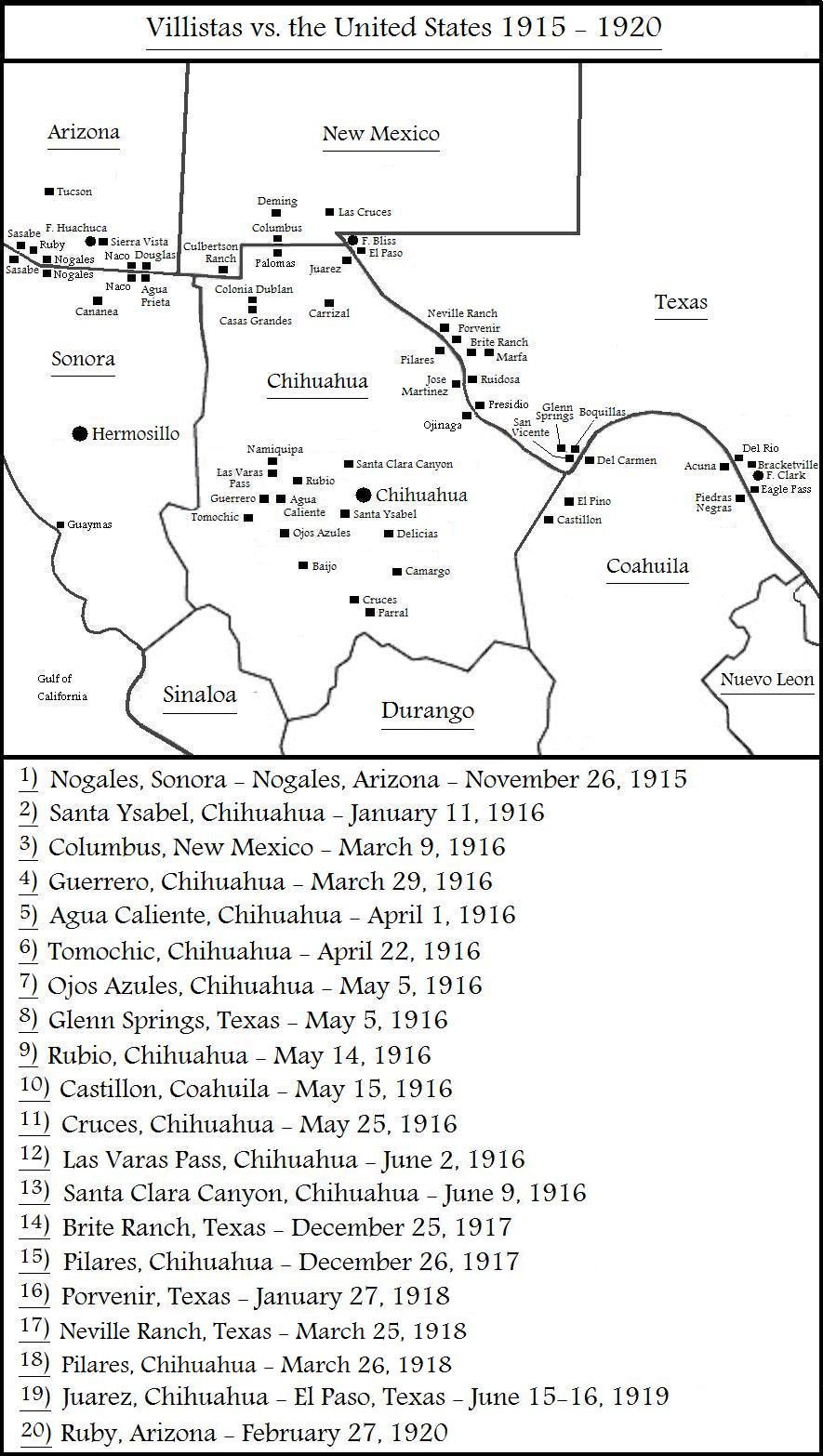
The trouble began with the Brite Ranch raid on Christmas Day 1917, when Mexican raiders killed three people at a ranch fifteen miles from the river. The Big Bend region went on high alert, and suspicion fell on the small border village of Porvenir. On January 26, 1918, Texas Rangers Company B under Captain James Monroe Fox entered Porvenir and searched every home. They found only two weapons in the entire village: a pistol belonging to an Anglo-American resident and a Winchester rifle owned by a Tejano villager. Both were confiscated. Three Tejano men were arrested and taken to the Ranger camp but released the next day. There was no evidence linking anyone in Porvenir to the Brite Ranch attack. The Rangers returned anyway.
Midnight Reckoning
Just after midnight on January 28, the Rangers reentered Porvenir with eight U.S. Army Cavalry soldiers and four local Anglo-American ranchers: John Pool, Buck Pool, Raymond Fitzgerald, and Tom Snyder. They pulled everyone from their homes. Fifteen ethnic Mexican males, ranging from boys to grown men, were separated from the women, children, and Anglo-Americans in the village. The Rangers and ranchers marched them outside the village to a nearby hill. The cavalry soldiers reportedly stayed behind, closer to the village. Then the Rangers and ranchers opened fire. All fifteen were killed. The youngest victims were just boys.
Conflicting Stories
Captain Fox did not report the incident to Ranger command for nearly a month. When he finally did, he claimed the fifteen Mexican villagers had ambushed the Rangers and that stolen property from Brite Ranch was found on their bodies. Captain Anderson of the U.S. Cavalry told a different story. So did Henry Warren, who documented the names of the victims. They stated that the Rangers and ranchers had executed the men, and that the cavalry was not involved in the killings. The El Paso Herald reported that the dead were wearing clothes from the Brite Ranch store, but acting Mexican Consul General Ruiz Sandoval pointed out that everyone in the region bought clothes from Brite Ranch. It was the only store for miles.
Justice Denied
An investigation headed by Captain William M. Hanson concluded that Company B should be tried for the killings. But a grand jury declined to indict any of the Rangers. Governor William P. Hobby dismissed five Rangers and disbanded Company B on June 4, 1918. Captain Fox was merely reassigned. The Porvenir Massacre was swept into the margins of history. Two months after the massacre, raiders attacked nearby Neville Ranch, killing a rancher and his Mexican servant in what many suspected was retaliation by Villistas for Porvenir. The cycle of violence continued, with no justice for the dead.
Unearthing the Truth
In 2002, Juan Flores identified the site where his father and fourteen others were killed. Archaeological excavations in 2015 found evidence that U.S. Cavalry firearms had been discharged at the site, complicating the official narrative that the army was uninvolved. Archaeologist David Keller stated that the artifacts strongly conformed to the hypothesis that this was the massacre site, and the findings implicated the cavalry. In 2018, descendants of the victims gathered in San Antonio and Austin to mark the centennial of the massacre. A feature-length historical drama about Porvenir entered production. After a hundred years, the story of what happened on that hillside was finally being told, not as rumor or footnote, but as historical fact demanding acknowledgment.
From the Air
The site of the Porvenir massacre lies at approximately 30.42N, 104.84W along the Rio Grande in Presidio County, Texas. The village of Porvenir no longer exists, having been razed after the massacre. From the air, the landscape is stark desert terrain with the Rio Grande marking the Mexican border. The execution site was on a hill just outside the former village limits. Marfa Municipal Airport (KMRF) is approximately 35 miles to the north. The terrain is rugged and sparsely vegetated, typical of the Big Bend region. Best viewed at 2,000-4,000 feet AGL. The ghost town of Pilares, across the border in Chihuahua, where survivors fled and buried their dead, is visible to the south.