The Presque Isle Lighthouse and the Lake Erie Mysteries
On Christmas Day 1873, a search party followed footprints through the snow to the edge of Lake Erie. The tracks belonged to lighthouse keeper Joseph Wells, who had walked from Presque Isle Lighthouse toward the frozen lake and simply... stopped. No body. No break in the ice. No sign of struggle. Just boot prints ending at the waterline as if Wells had walked into another dimension. He was never found. Neither was any explanation. The lighthouse still stands on Presque Isle's sandy peninsula, still warns ships away from shallow water, and still carries the mystery of a man who walked into winter and vanished. Lake Erie has swallowed many secrets. This is one it never gave back.
The Vanishing
Joseph Wells was 76 years old in December 1873, serving as keeper of the Presque Isle Light. On Christmas morning, his wife found him gone. Snow had fallen overnight; his footprints led clearly toward the lake. A search party followed the trail to the water's edge, where the tracks simply ended. The lake was frozen near shore but open further out. Did Wells fall through thin ice? Walk deliberately into the water? Encounter something - or someone - at the shore? The ice showed no breaks. The water yielded no body, then or ever. He left behind his coat, his wife, and a mystery that has fueled speculation for 150 years.
The Lake's Appetite
Lake Erie eats things. The shallowest of the Great Lakes, it's also the most violent - storms build fast over its waters, waves stack up in the confined space, and ships that should survive open ocean have broken apart here. Over 2,000 shipwrecks rest on the bottom. Some vessels vanished completely - the *Marquette & Bessemer No. 2* disappeared in 1909 with 33 aboard, leaving only drifting wreckage. Others sit perfectly preserved in the cold fresh water, their crews never recovered. The lake freezes hard enough to walk on, then opens without warning. Wells may have been one more victim of Erie's indifferent hunger.
The Lighthouse
Presque Isle Light was built in 1873 - the same year Wells vanished - replacing an older tower. It stands 68 feet tall on the sandy peninsula that hooks into Lake Erie at Erie, Pennsylvania. The peninsula creates a natural harbor; the lighthouse marks the channel entrance. The current tower operated until 1897, when range lights replaced its function. Today it's a museum and local landmark, open for climbing in summer months. The keeper's house has been restored. The grounds look peaceful - sand, trees, the lake stretching to the horizon. Nothing suggests that a man walked into that view and never walked back.
The Theories
What happened to Joseph Wells? The mundane explanation: he walked onto ice that looked solid, broke through, and the current carried him under the frozen surface. But the search party found no break, no sign of struggle. Darker theories suggest suicide - a 76-year-old man, perhaps ill, perhaps despairing, walking into the cold with intention. Or murder, though no motive has ever surfaced. Or something stranger - Presque Isle has its share of UFO reports and unexplained phenomena. The truth died with Wells, if he died at all. The lake keeps its own counsel.
Visiting Presque Isle
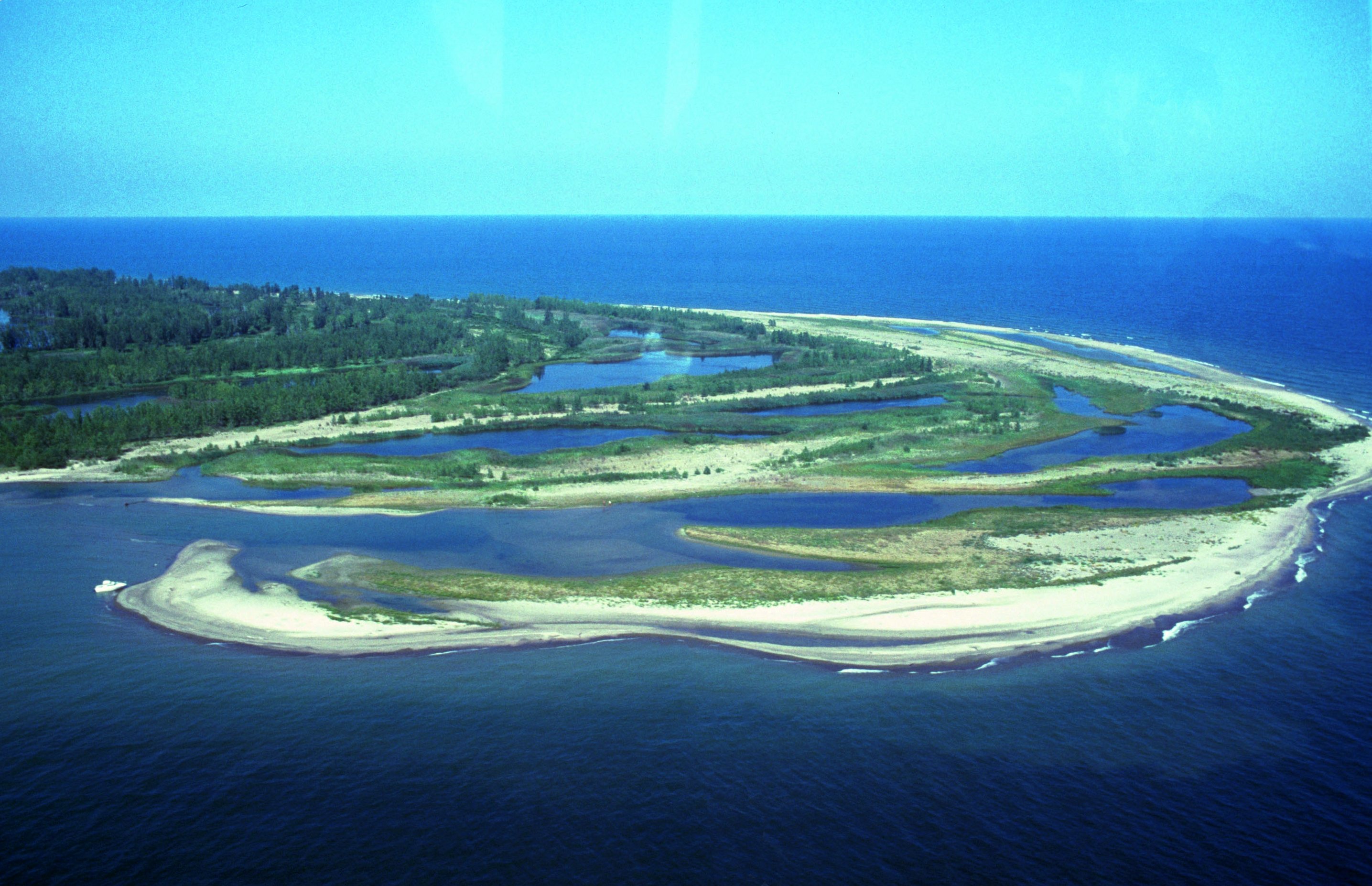
Presque Isle State Park occupies a sandy peninsula extending into Lake Erie at Erie, Pennsylvania. The lighthouse is located on the peninsula's bay side, accessible by car and short walk. Climbing the tower is available seasonally for a fee. The park offers beaches, trails, and wildlife viewing year-round - it's one of Pennsylvania's most visited state parks. The Lake Erie coast stretches east and west; the lake dominates the northern horizon. Erie, Pennsylvania provides full services. Cleveland is 100 miles west; Buffalo is 90 miles east. Winter transforms the peninsula - ice formations build along the shore, and the lake shows its dangerous beauty. Somewhere out there, Joseph Wells's story ended. Or continues.
From the Air
Located at 42.16°N, 80.07°W on the Presque Isle peninsula in Lake Erie. From altitude, Presque Isle appears as a curved sandy hook extending into the lake, creating Erie's harbor. The lighthouse is visible on the peninsula's inner curve. The city of Erie spreads along the shore. Lake Erie extends north to the Canadian shore, 50 miles distant but often invisible in haze. The lake is notably shallow - the bottom is closer to the surface here than in any other Great Lake, contributing to its violent weather and treacherous ice. The peninsula's beaches and lagoons are visible; the water shifts from green nearshore to gray-blue in the depths.