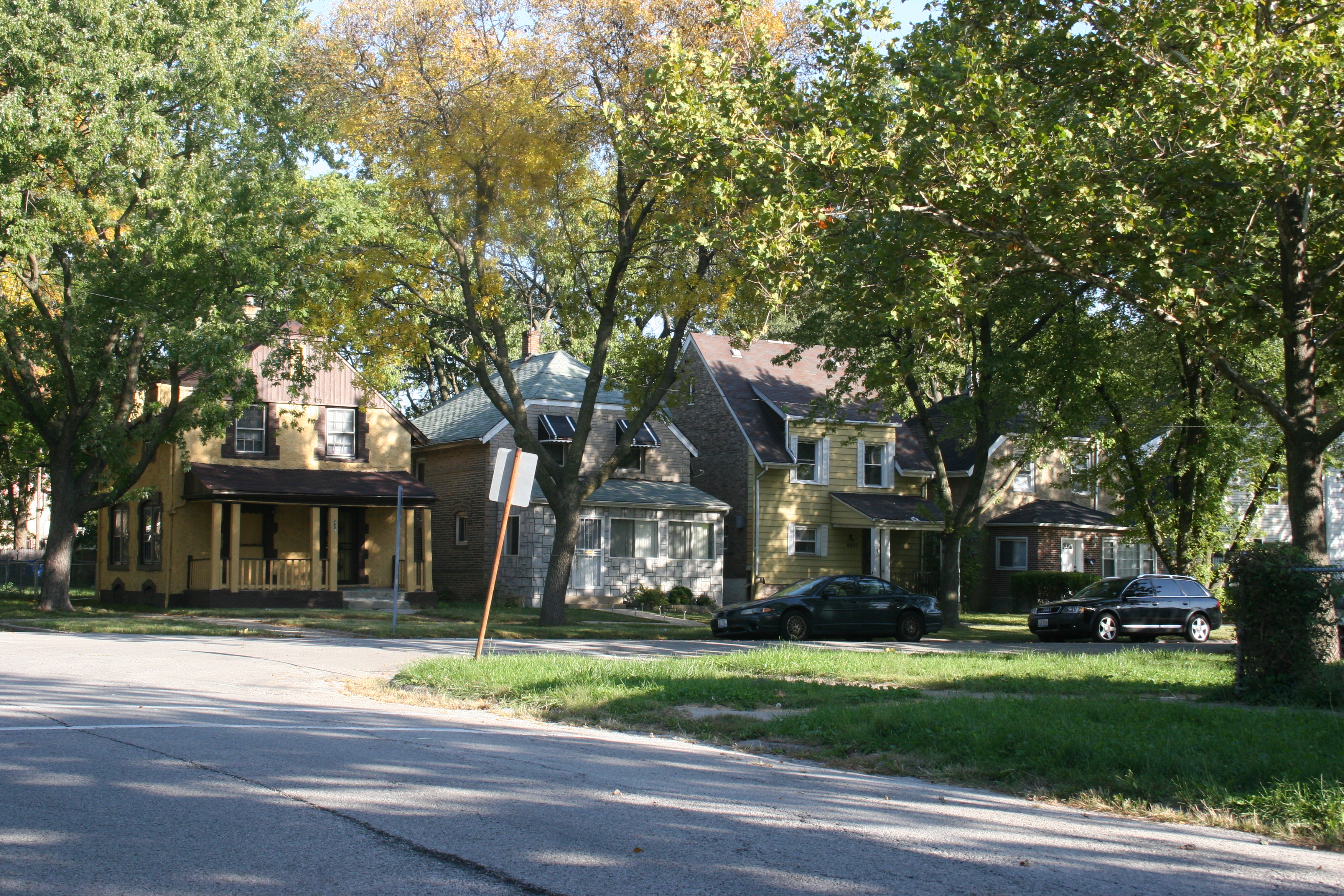
Pullman Historic District
In the 1880s, industrialist George Pullman built what he considered a utopia: a company town south of Chicago where workers who built his famous sleeping cars would live in tidy brick homes, shop at company stores, and worship in a company church. Pullman controlled everything - wages, rents, even behavior. There were no saloons; workers couldn't own homes; dissent was monitored. Then came the Panic of 1893. Pullman cut wages by 25% but didn't reduce rents. Workers who complained were fired. On May 11, 1894, they struck. The American Railway Union, led by Eugene Debs, refused to handle Pullman cars. The railroad network ground to a halt. President Grover Cleveland sent federal troops to break the strike, overriding Illinois Governor Altgeld's objections. Thirty people were killed. Debs went to prison. The workers lost. But the strike's violence embarrassed the government into creating a holiday celebrating labor - Labor Day - just six days after the strike collapsed.
The Model Town
George Pullman built his company town between 1880 and 1884, four thousand acres of housing, factories, shops, and parks on the prairie south of Chicago. The architecture was elegant - brick row houses, a hotel, a theater, an arcade with shops and a library. Pullman believed that beautiful surroundings would produce better workers. He also believed that complete control would prevent labor trouble. Workers rented homes from the company, bought goods at company stores, and paid for water and gas from company utilities. There were no saloons - Pullman considered alcohol destructive. Rent was deducted directly from wages. Workers couldn't own property or run businesses. The company monitored behavior and evicted troublemakers. It was social engineering by a man who believed he knew what workers needed better than they did.
The Crisis
The Panic of 1893 devastated the railroad industry. Orders for Pullman cars collapsed. The company cut its workforce by half and reduced wages for remaining workers by 25-30%. But Pullman refused to reduce rents, insisting that the housing operation was separate from the manufacturing business and had to remain profitable. Workers who had earned enough to pay rent and feed their families suddenly found themselves trapped - their wages couldn't cover both. When a delegation petitioned for relief, three of its members were fired. On May 11, 1894, workers walked out. Within days, nearly all of Pullman's 3,300 employees had joined the strike.
The Boycott
Eugene Debs, president of the American Railway Union, tried to mediate. Pullman refused to negotiate. On June 26, the ARU voted to boycott Pullman cars - its members would refuse to handle any train that included Pullman sleeping cars. Since Pullman cars were attached to most passenger trains, the boycott crippled the national rail network. The General Managers Association, representing the railroads, attached mail cars to Pullman trains, making interference a federal crime. President Cleveland, citing the mail disruption, sent federal troops to Chicago over Governor Altgeld's objections. Violence erupted. Trains were derailed. Buildings burned. Soldiers fired into crowds. By July 20, the strike was broken. Thirteen people had been killed in Chicago alone.
The Aftermath
Debs was arrested and convicted of violating a federal injunction; his six-month prison term radicalized him, and he emerged a socialist. The ARU was destroyed. Workers returned to Pullman on the company's terms. But the strike's violence had shocked the nation. A federal commission investigated and condemned both Pullman's autocracy and the use of federal troops. Just six days after the strike collapsed, President Cleveland rushed through legislation creating Labor Day as a federal holiday - a concession to workers that cost nothing but acknowledged their importance. The company town model was discredited. When George Pullman died in 1897, his family feared his body would be desecrated and buried him in a lead-lined casket under reinforced concrete.
Visiting Pullman
The Pullman Historic District is located on Chicago's far South Side, roughly at 111th Street and Cottage Grove Avenue. The district is a National Monument, with the restored Hotel Florence serving as a visitor center. Many of the original row houses remain, still occupied, their brick facades and uniform design testifying to Pullman's vision of orderly worker housing. The A. Philip Randolph Pullman Porter Museum honors the African American sleeping car porters who organized the first Black labor union. Walking tours explore the architecture, history, and the strike that made Pullman notorious. The neighborhood is working-class and predominantly African American, still shaped by the industries that created it. The Metra Electric Line's Pullman stop provides transit access from downtown Chicago. O'Hare and Midway airports both serve Chicago.
From the Air
Located at 41.69°N, 87.61°W on Chicago's far South Side, along the Metra Electric corridor. From altitude, the Pullman Historic District is visible as a grid of uniform brick buildings distinct from surrounding development. The original factory site and clock tower are identifiable. Lake Calumet and the industrial corridor are visible to the east.